 By admin
 As women navigate the various stages of life, our bodies undergo continuous changes. While many are natural, certain shifts in breast health can understandably trigger concern and uncertainty. The key to navigating these moments is awareness. Understanding common indicators empowers you to take control, reduce anxiety, and engage in informed conversations with your healthcare provider. Early detection is paramount in the fight against breast cancer, and recognizing these warning signs is your first line of defense.
Understanding Your Breast Health
Breast tissue naturally evolves due to hormonal fluctuations, aging, and other factors. However, establishing a baseline understanding of your breasts’ normal appearance and feel is crucial. Regular self-exams, ideally performed monthly after your period, can help you detect subtle differences early. The goal isn’t to diagnose yourself, but to become familiar enough with your body to notice when something is new or unusual.
10 Warning Signs to Watch For:
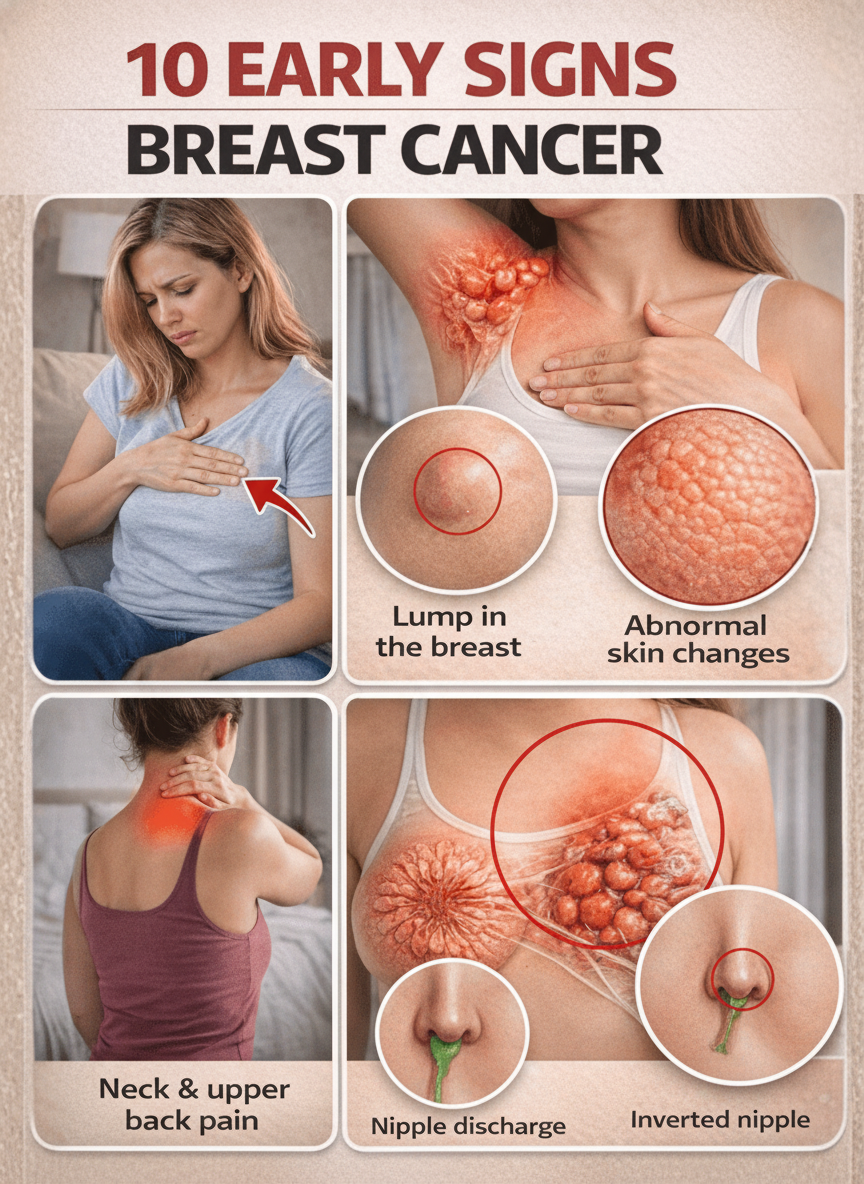
1. A New Lump in the Breast or Underarm
This is often the most recognized sign. A new lump might be felt in the breast tissue itself or extend into the armpit area. It can vary in size, hardness, and may or may not cause pain. While most lumps are benign, any new lump warrants immediate medical evaluation.
2. Thickening or Swelling in Part of the Breast
Sometimes, there isn’t a distinct lump, but rather a general thickening or swelling in a specific area of the breast. This change might not be visible but is noticeable to the touch, feeling different from the surrounding tissue. Persistent thickening, even without a visible lump, should be checked by a doctor.
3. Skin Dimpling or Puckering
Look for changes in the breast skin’s texture, such as puckering or dimpling, which can resemble an orange peel (known as “peau d’orange”). This visual change signals potential underlying issues and should be investigated.
4. Redness, Flakiness, or Scaling of the Nipple or Breast Skin
Red, irritated, scaly, or flaky skin on the nipple or breast can be a warning sign. This might look like a rash but typically doesn’t improve with standard treatments. Eczema or infections can mimic these symptoms, so professional assessment is vital.
5. Nipple Retraction or Inversion
A nipple that suddenly turns inward, flattens, or changes its usual position (especially if it only happens on one side) is a significant indicator. While some individuals are born with inverted nipples, a *new* change in nipple position should be promptly evaluated.
6. Nipple Discharge Other Than Breast Milk
Any unexpected discharge from the nipple, particularly if it’s bloody, clear, or occurs without squeezing, needs attention. While various factors like medications or benign conditions can cause discharge, it’s crucial to have it professionally assessed.
7. Changes in Breast Size or Shape
Noticeable alterations in the overall size or shape of one breast, such as one becoming significantly larger, lower, or generally different from the other, can be a symptom. While slight asymmetry is normal, a new or pronounced change deserves a medical opinion.
8. Persistent Breast or Nipple Pain
While cyclical breast pain is common, persistent, non-cyclical pain or tenderness in the breast or nipple area should not be ignored. Though pain alone is rarely the sole sign of breast cancer, when combined with other symptoms, it becomes more significant.
9. Swelling Near the Collarbone or Armpit
Swelling or a lump in the lymph node areas, specifically under the arm or near the collarbone, can be a warning sign. This might indicate the spread of cancer, even if a breast lump hasn’t been detected. Infections can also cause swollen lymph nodes, so medical context is important.
10. Persistent Changes in Breast Skin Texture or Temperature
Beyond dimpling or redness, be aware of other persistent skin changes. This could include unusual warmth, persistent itching, or a rash that doesn’t resolve. Any unexplained and ongoing alteration in your breast skin’s texture or sensation warrants a check-up.
Remember, experiencing one or more of these signs doesn’t automatically mean you have breast cancer. However, it’s essential to consult a healthcare professional for an accurate diagnosis. Regular self-exams, clinical breast exams, and mammograms (as recommended by your doctor) are all vital components of proactive breast health. Stay informed, stay vigilant, and prioritize your well-being.