 By admin
 The 3 AM Wake-Up Call: Why You’re Waking Up and How to Sleep Through the Night
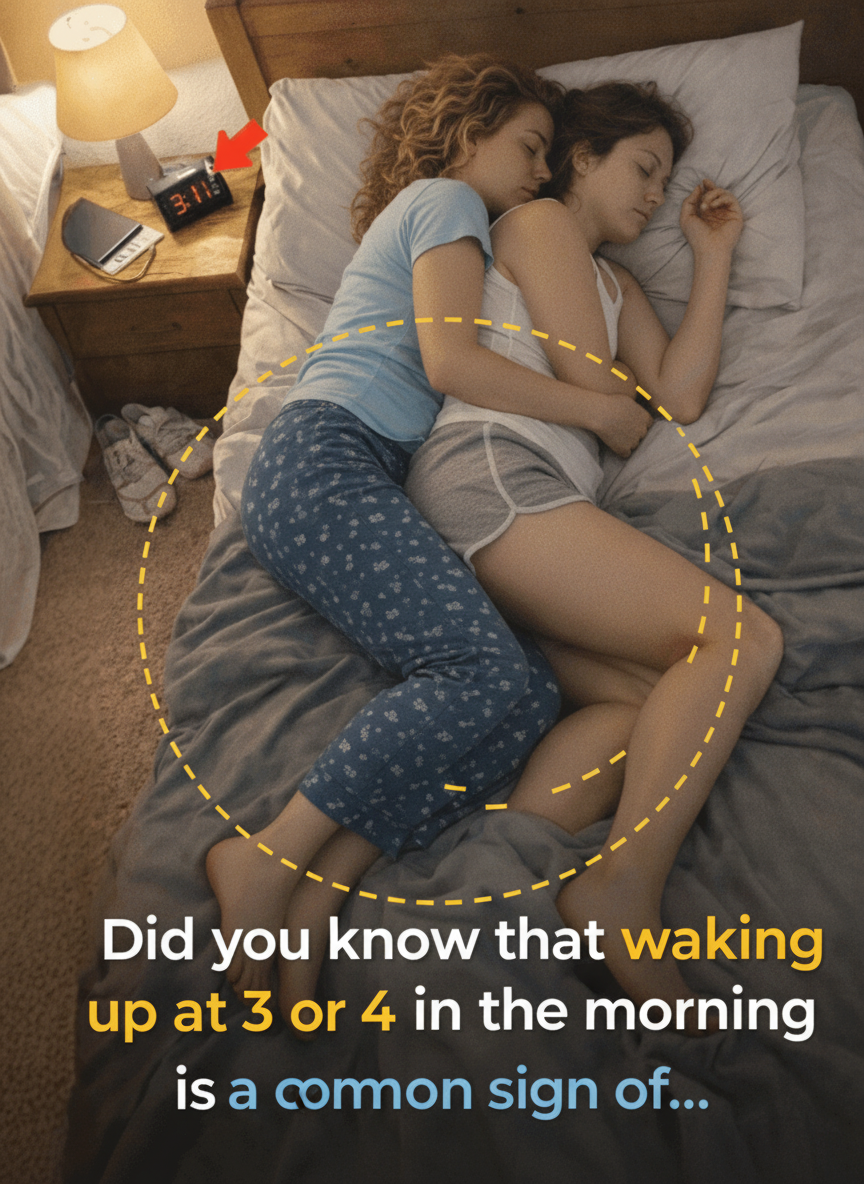
That familiar glance at the clock: 3:17 AM or 4:02 AM. Wide awake, staring at the ceiling while the rest of the world sleeps. This frustrating middle-of-the-night awakening leaves you groggy, irritable, and dreading the day ahead, especially when it becomes a nightly ritual. The good news? You’re not alone. Many experience this, and understanding the root causes can lead to simple adjustments for more restful nights.
Why Does This Specific Time Keep Happening?
Your body’s sleep cycles naturally lighten as the night progresses. After several hours, you spend more time in REM (rapid eye movement) sleep – a lighter stage where disturbances easily pull you awake. But there’s another key factor:
Around 2-4 AM, your body naturally begins to elevate cortisol levels, a “stress hormone” that prepares you to wake up. If daily pressures have already pushed these levels higher than usual, they can trigger a premature awakening.
Common Factors Contributing to Early Morning Wake-Ups
Several everyday elements often play a role in these disruptive awakenings:
- Stress and Racing Thoughts: An overwhelmed mind can “switch on” during lighter sleep phases, especially during periods of high worry or anxiety.
- Hormonal Shifts: Natural changes like menopause or aging can fragment sleep, with women over 55 frequently reporting early awakenings.
- Circadian Rhythm Misalignment: Irregular schedules, late-night screen use, or travel can shift your internal body clock, making early hours feel like “wake-up time” sooner than expected.
- Sleep Environment Issues: Even subtle disturbances – room temperature, light leaks, or noise – become more noticeable when your sleep is lighter.
- Lifestyle Choices: Evening caffeine, heavy meals, alcohol, or daytime naps can interfere with deeper sleep stages later in the night, making you more susceptible to waking.
Interestingly, Traditional Chinese Medicine (TCM) offers a complementary perspective. Its “body clock” links specific times to organ systems (e.g., 1-3 AM for liver, 3-5 AM for lungs), often associating wake-ups with emotional processing like frustration or sadness. While distinct from Western science, many find these insights valuable for self-reflection.
Is It More Than Just a Rough Night?
Occasional early awakenings are typically harmless. However, a consistent pattern might signal deeper sleep quality issues. Persistent poor sleep maintenance often links to daytime fatigue, mood swings, or difficulty concentrating. Ask yourself: Do you feel unrested most mornings? Are you relying on caffeine to get through the day? Have you noticed other symptoms like frequent bathroom trips or breathing discomfort? These clues are worth exploring further.
Practical Habits for Deeper, Continuous Sleep
You don’t need drastic overhauls; small, consistent changes often yield the best results. Here are actionable steps you can implement starting tonight:
- Build a Calming Pre-Bed Routine: Dedicate 60-90 minutes before bed to wind down. Engage in activities like reading or gentle stretching in dim light. Crucially, avoid screens, as blue light can disrupt your natural sleep signals.
- Optimize Your Sleep Space: Transform your bedroom into a sleep sanctuary. Keep it cool (ideally 60-67°F/15-19°C), dark (use blackout curtains), and quiet (consider earplugs or a white noise machine to block subtle disruptions).
- Mind Your Evening Habits: Limit caffeine intake strictly after noon. Avoid heavy or spicy meals close to bedtime. While alcohol might initially make you feel drowsy, it often leads to fragmented sleep later in the night, so cut back.
- Manage Daytime Stress: Proactively process worries before they accumulate overnight. Incorporate short stress-reducing practices into your day, such as deep breathing exercises, a brisk walk, or journaling.
- Stick to Consistent Timing: Train your body’s internal clock by aiming for the same bedtime and wake-up time every single day, even on weekends. This consistency reinforces your natural circadian rhythm.