 By admin
 Nighttime Leg Cramps: Understanding Causes and Finding Relief
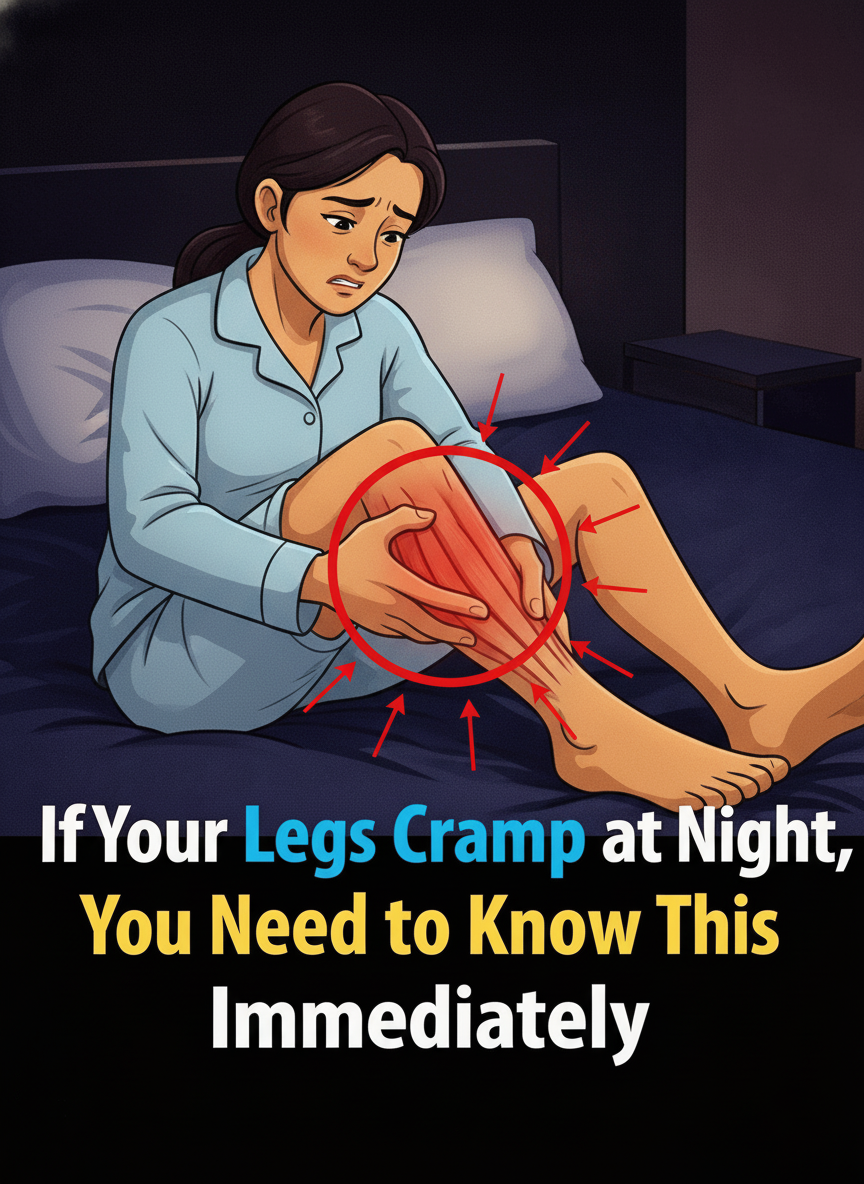
Waking abruptly to a sharp, intense pain in your calf or foot is a disruptive experience many know too well. These sudden muscle contractions, known as nocturnal leg cramps, can shatter your sleep, leaving you tired and irritable. If these episodes are frequent, they can significantly impact your daily energy and well-being. The good news? By understanding common triggers and adopting simple strategies, you can significantly reduce their frequency and reclaim peaceful sleep.
What Exactly Are Nocturnal Leg Cramps?
Nocturnal leg cramps are involuntary, painful muscle tightenings that typically strike during sleep or rest. Most common in the calves, they can also affect feet or thighs. The sensation is often a hard knot forcing your foot or toes downward, lasting seconds to minutes. Experts confirm these cramps are incredibly common, especially with age, and generally harmless, though highly disruptive when they consistently interrupt your night.
Common Factors Contributing to Nighttime Leg Cramps
Often, there isn’t a single clear cause. Research points to muscle fatigue and nerve signal issues. However, several factors can increase susceptibility. According to health authorities like the Mayo Clinic, these include:
- Age: More frequent in individuals over 50.
- Dehydration: Insufficient fluid intake impairs muscle function.
- Prolonged Static Positions: Long periods of sitting or standing without movement.
- Certain Medications: Some blood pressure drugs, diuretics, or cholesterol medications.
- Pregnancy: Added weight and circulatory changes.
- Underlying Health Conditions: Less common, but sometimes linked to diabetes or circulatory issues.
Beyond these, your daily habits – from hydration to pre-sleep routines – significantly influence these disturbances.
The Critical Role of Hydration
Muscles rely on a delicate balance of fluids and electrolytes for proper function. When this balance is disrupted, cramps can set in. Consistent daily hydration is crucial; avoid chugging water right before bed. Limit evening caffeine and alcohol, as they can dehydrate. The Mayo Clinic recommends adequate hydration as a primary step for supporting normal muscle function.
Embracing Movement and Simple Stretches
Muscle fatigue from daily activities plays a larger role than often realized. Prolonged static leg positions (like toes pointed down in bed) can lead to tightness. Light movement and targeted stretches help maintain flexibility. Many find a few minutes of gentle activity before bed – a short walk or stationary bike ride – warms muscles effectively without overexertion.
Actionable Steps for Relief You Can Start Tonight
Ready to make a difference? These straightforward steps fit easily into any routine. Consistency is key!
- Stay Hydrated: Aim for 6-8 glasses of water throughout the day.
- Loosen Bedding: Ensure sheets and blankets don’t force your feet downward.
- Supportive Footwear: Wear comfortable, supportive shoes if you stand a lot.
- Potassium-Rich Foods: Incorporate bananas, leafy greens, or avocados into your diet.
A quick, targeted stretching routine right before bed is often the most impactful change. Here’s how:
- Sit on the edge of your bed, legs extended.
- Gently pull your toes towards your shins, feeling a calf stretch. Hold 10–20 seconds.
- Release, then repeat 3 times per leg.
- Optionally, perform a few slow calf raises (standing on toes) to further warm muscles.
By understanding these factors and consistently applying these simple strategies, you can significantly reduce the frequency and severity of nighttime leg cramps, paving the way for more restful sleep.