 By admin
 7 Subtle Warning Signs Your Body May Send Up to a Month Before a Heart Attack
Every 40 seconds, someone in the United States experiences a heart attack. Yet, your body often communicates critical warnings weeks in advance, signals frequently dismissed as mere stress or the inevitable march of age. These quiet alerts—like inexplicable fatigue or peculiar discomforts—can accumulate as arteries narrow and the heart struggles. Overlooking them can delay vital conversations with your doctor about your cardiovascular health.
What if recognizing these pre-heart attack warning signs could give you invaluable time to act proactively? Stay with us as we unveil 7 crucial indicators, backed by research, and simple steps to safeguard your health.
❤️ Why These Warning Signs Matter More Than Ever
Imagine experiencing unexplained pressure in your back or sudden dizziness during a routine activity. These could be early warning signs, activated as blood flow diminishes. For many in midlife, such subtle changes serve as a wake-up call, often during routine checkups. Research from the American Heart Association highlights that prodromal symptoms, including fatigue and shortness of breath, frequently precede heart events, particularly in women. By reading this, you’re already prioritizing your health. These warning signs aren’t always dramatic, but noticing them is paramount.
❄️ Sign #1: Sudden Cold Sweats and Paleness
Breaking out in cold sweats without a clear reason is a notable precursor to a heart attack. These episodes, often accompanied by paleness, can be unsettling. Studies link such sweats to autonomic responses triggered by cardiac strain. If you experience recurrent, unexplained cold sweats, it’s a signal worth investigating.
😩 Sign #2: Unusual Fatigue or Shortness of Breath
Profound fatigue following minimal activity, or shortness of breath during short walks, ranks among the top warning signs. This isn’t just everyday tiredness; it can feel like a persistent weariness, akin to having the flu without actually being ill. Up to 70% of women report this symptom in studies. Narrowed arteries restrict oxygen delivery, leading to this persistent exhaustion. Pay close attention to sudden, uncharacteristic drops in your energy levels.
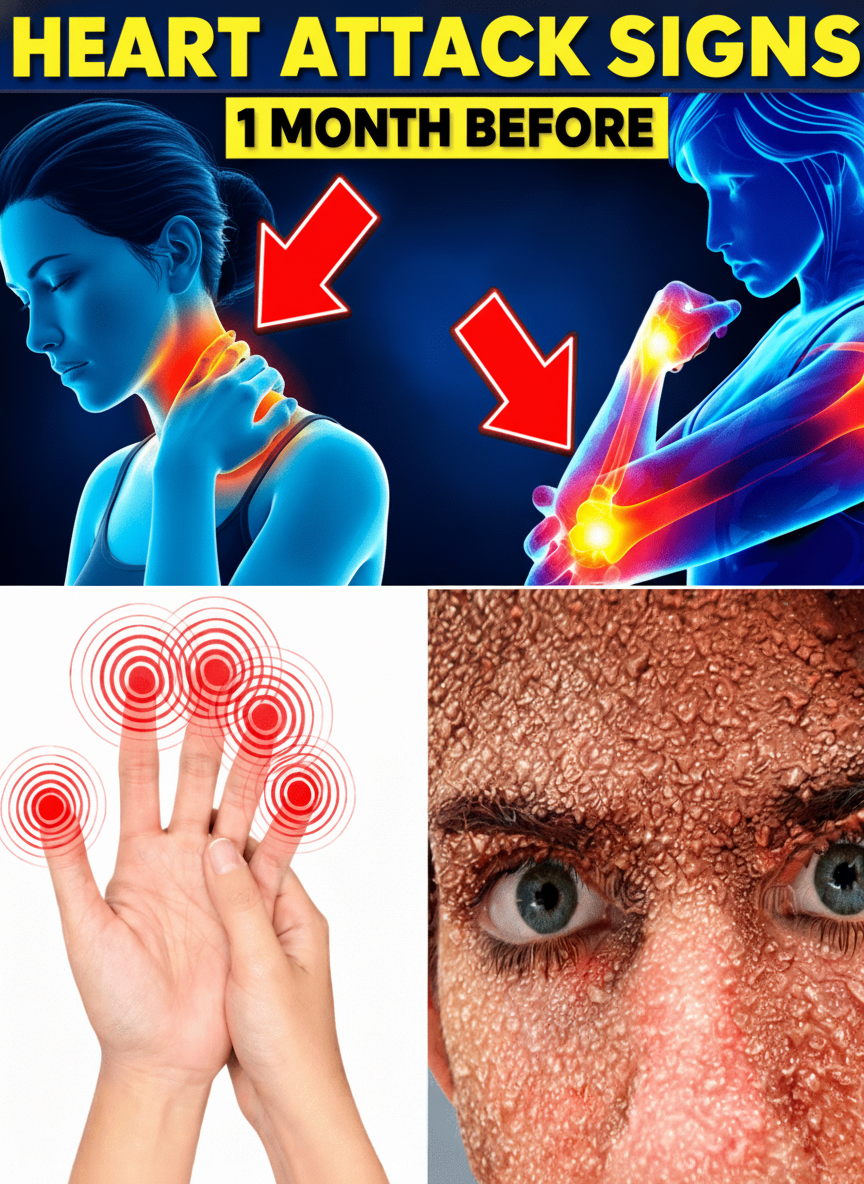
🦷 Sign #3: Jaw or Neck Pain on the Left Side
Pain in the left side of the jaw or neck can be a surprising, yet significant, warning sign, often mistaken for dental issues or TMJ. This discomfort arises due to shared nerve pathways that transmit signals from the heart. It’s crucial to note if this pain correlates with physical activity or stress.
🍽️ Sign #4: Digestive Discomfort or Bloating
Unexplained bloating or upper stomach unease, particularly after meals, that isn’t relieved by antacids, may signal a heart issue. This symptom is more common in women and seniors, resulting from referred sensations from the heart. If you notice persistent digestive discomfort without an obvious cause, especially in patterns, it warrants attention. Avoiding heavy meals might offer temporary relief, but addressing the underlying cardiovascular concern is key.
🦴 Sign #5: Back Pain Between Shoulder Blades
Persistent, deep upper back pain located between the shoulder blades, which stretching or massage doesn’t alleviate, is another crucial warning sign. Nerve signals originating from the heart can manifest as referred pain in the back. If you experience unexplained pressure or aching in this area, especially if it’s new or worsening, it should not be dismissed.