 By admin
 Imagine a family gathering where a loved one suddenly slurs their words or struggles to stand. Initially, people might joke, assuming too many drinks or simple fatigue. But as the moments tick by, a chilling realization sets in: something more serious is happening. This scenario is tragically common. Stroke warning signs often emerge subtly, easily dismissed as stress, tiredness, or just “getting older.” Yet, recognizing these early signals is paramount, and there’s a simple, life-saving method doctors teach families worldwide: FAST.
Stay with us, because beyond the well-known FAST method, an expanded version, BE FAST, adds two critical symptoms often overlooked, especially by older adults. Understanding both could empower you to react faster in a real emergency, potentially saving a life.
What Exactly Is the FAST Method Everyone Should Know?
Whether you’re caring for aging parents, spending time with grandchildren, or active in your community, knowing the FAST method is invaluable. It’s a simple, memorable acronym designed to help ordinary people quickly identify potential stroke symptoms.
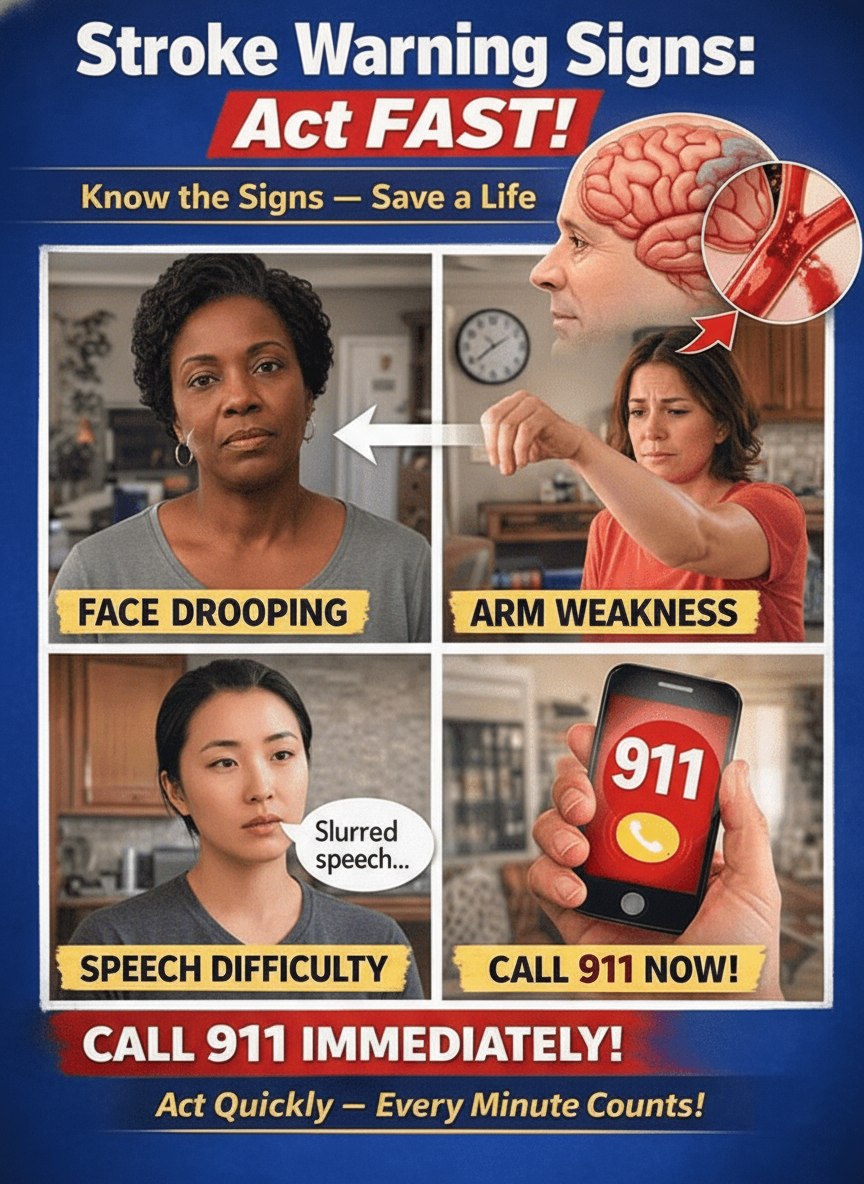
- F – Face Drooping: One side of the face may sag or feel numb. Ask the person to smile. If their smile appears uneven, this is a significant warning sign.
- A – Arm Weakness: One arm might feel weak or numb. Ask the person to raise both arms. If one arm drifts downward, it’s a signal that demands immediate attention.
- S – Speech Difficulty: Speech may suddenly become slurred, confused, or hard to understand. The person might struggle to repeat a simple sentence clearly.
- T – Time to Call Emergency Services: If you observe any of these signs, time is critical. Acting quickly can drastically improve outcomes by allowing medical professionals to respond faster.
Why BE FAST Adds Two Critical Warning Signs
Over time, medical experts noted that some people experience additional early symptoms before the classic FAST signs. This crucial discovery led to the introduction of BE FAST, incorporating two more vital indicators:
- B – Balance Problems: A person may suddenly experience dizziness, lose coordination, or struggle to walk normally. This sudden instability can be a stroke symptom.
- E – Eye Problems: Sudden trouble seeing in one or both eyes can occur. Vision might become blurry, dark, or doubled without warning.
These ‘B’ and ‘E’ symptoms sometimes appear *before* face drooping or speech problems, making them early indicators that are often dismissed. Research highlights that recognizing these expanded signs can lead to quicker emergency responses, significantly improving the chances for effective medical intervention.
Why Many Older Adults Ignore Early Stroke Signals
It’s an uncomfortable truth: many people over 60 grew up in a culture that valorized enduring discomfort. Phrases like “It will pass,” “I probably just stood up too fast,” or “I don’t want to bother anyone” are common. This mindset, while rooted in resilience, can dangerously delay action during serious medical events like a stroke.
Common reasons for delaying help include:
- Assuming symptoms are due to tiredness or stress.
- Feeling embarrassed, especially in public.
- Not wanting to worry family members.
- Waiting to “see if it goes away” – a perilous gamble when the brain is involved.
The stark reality is that waiting rarely helps in a stroke situation. Prompt action is always the best course.
What To Do Immediately If You Notice FAST or BE FAST Symptoms
When symptoms appear suddenly, confusion and panic are natural. That’s why doctors recommend a simple, memorable response plan:
- Notice the Signs: Quickly check for any FAST or BE FAST symptoms.
- Stay Calm: Speak clearly and reassure the person. Your calm demeanor can help them.
- Call Emergency Services Immediately: Do not wait for symptoms to disappear, even if they seem to improve. Every second counts.
- Note the Time Symptoms Started: Medical professionals will often ask this crucial question, as it helps determine treatment options.
- Keep the Person Seated Safely: Avoid giving food or drink while waiting for help to arrive.
Common Stroke Warning Signs vs. Often Misunderstood Symptoms
It’s easy to mistake stroke symptoms for less serious conditions. Here’s a quick guide to help distinguish them:
| Possible Stroke Sign (Sudden Onset) | Often Misinterpreted As |
|---|---|
| Sudden face drooping | Fatigue or dental issues |
| Sudden arm weakness | Muscle strain or “pins and needles” |
| Sudden slurred speech | Alcohol consumption or extreme tiredness |
| Sudden balance problems | Inner ear issues or clumsiness |
| Sudden vision problems | Eye strain or needing new glasses |
Recognizing the sudden onset of these symptoms is key. A stroke is a medical emergency. By understanding and acting on the FAST and BE FAST warning signs, you become a critical first responder, dramatically increasing the chances of a positive outcome for your loved ones and community. Don’t hesitate; educate yourself and others.
”
}
“`