 By admin
 Many older adults share a quiet, often awkward moment: reaching for a cup, opening a jar, or climbing stairs, only to notice a sudden, unwelcome shift. Hands feel weaker, legs less steady. This isn’t just a sign of aging; it’s often linked to a natural decline in collagen production after age 60.
Collagen, often called the body’s “structural protein,” acts as a flexible framework holding tissues together – supporting joints, muscles, skin, and connective tissue. While the body efficiently produces it in younger years, this production gradually diminishes with age. By your 60s and 70s, this natural decline can manifest as:
- Stiff or less flexible joints
- Thinner, less elastic skin
- Muscles feeling weaker after activity
- Slower recovery post-physical movement
But here’s a crucial insight many overlook: your daily diet plays a powerful role in supporting your body’s natural collagen maintenance. The nutrients you consume – proteins, vitamins, and minerals – are the building blocks your body uses for collagen formation. What you put on your plate directly influences how your body maintains these vital structures over time.
The Surprising Collagen-Boosting Foods Seniors Often Miss
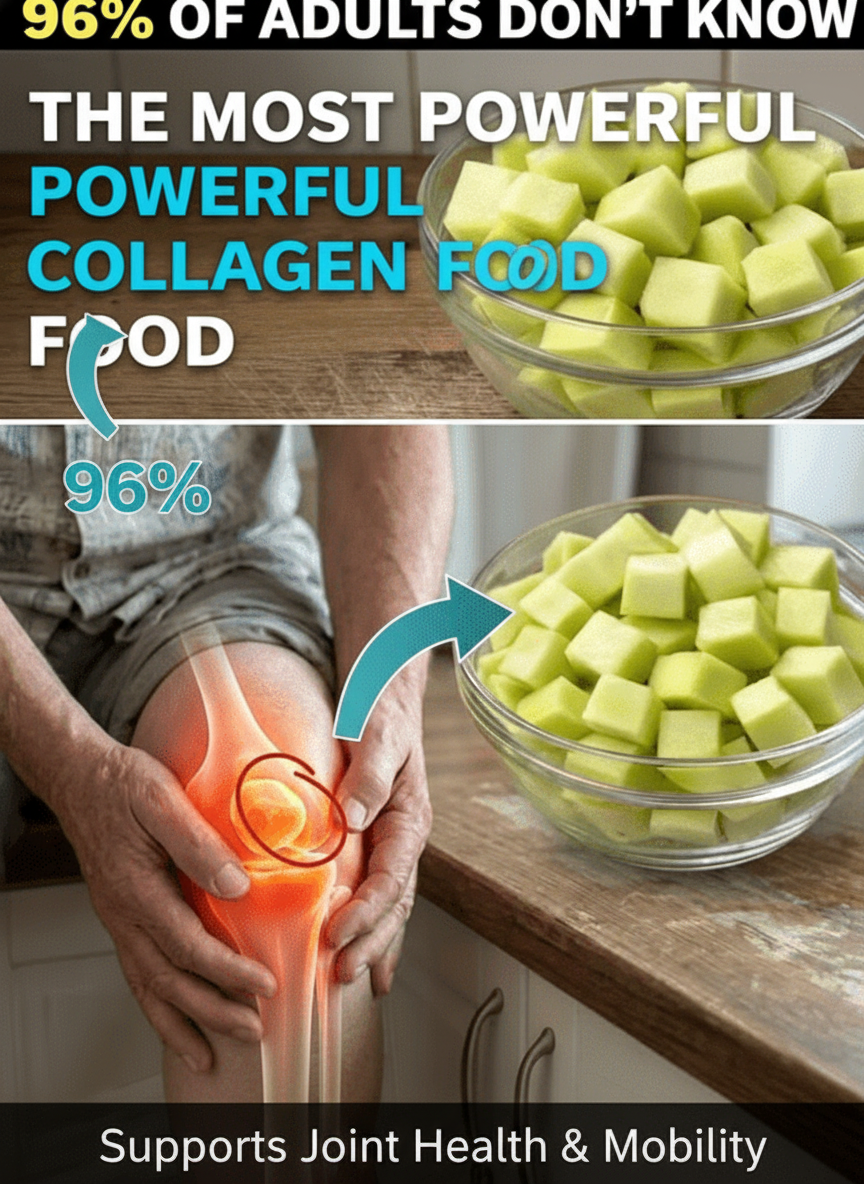
When collagen comes to mind, most people immediately think of bone broth or protein powders. However, many overlook simple, everyday fruits packed with collagen-supporting nutrients. Take honeydew melon, for example. Beyond its refreshing taste, honeydew is rich in Vitamin C and hydration-supporting compounds – both essential for collagen synthesis.
Vitamin C is particularly vital; without sufficient amounts, your body cannot properly form collagen fibers. Foods rich in this vitamin are therefore critical for normal collagen production processes. Honeydew also offers:
- High water content for hydration
- Light natural sweetness without heavy sugars
- Potassium, which supports muscle function
For older adults who prefer lighter snacks, this fruit is an easy, delicious addition to any meal. But honeydew is just one piece of the puzzle. A balanced intake of various nutrients is key.
Top Foods for Natural Collagen Support
Effective collagen support isn’t about a single “miracle food,” but a synergistic combination of nutrients. Here are key categories and examples:
- Protein-Rich Foods: Collagen is made from amino acids. Sources like fish, eggs, chicken, beans, and lentils provide these essential building blocks.
- Vitamin C-Rich Foods: Crucial for collagen synthesis. Include citrus fruits, strawberries, kiwi, and bell peppers. Even small daily servings can help maintain adequate intake.
- Antioxidant-Rich Foods: Help protect cells from oxidative stress, which can impact tissue health over time. Think blueberries, leafy greens, tomatoes, and carrots.
- Hydration: Often overlooked, adequate hydration is vital for tissue flexibility. Water-rich fruits like melon are excellent choices.
Many seniors make the mistake of focusing solely on protein, neglecting the equally important roles of hydration and micronutrients. A holistic approach yields the best results.
Simple Daily Habits for Sustained Collagen Nutrition
Incorporating small, consistent habits into your routine can significantly impact your nutritional balance and collagen health:
- Start with a Fruit Bowl: Begin your day with a serving of melon, berries, or citrus to boost hydration and Vitamin C early on.
- Prioritize Protein at Every Meal: Ensure each meal includes a source of lean protein to provide a steady supply of amino acids.
- Snack Smart: Opt for fruits and vegetables over processed snacks to maximize vitamin, mineral, and antioxidant intake.
- Stay Hydrated: Drink water throughout the day, and incorporate water-rich foods.
By consciously integrating these simple food choices and habits, you can proactively support your body’s natural collagen processes, helping to maintain vitality and comfort well into your golden years.