 By admin
 You’ve seen it in family photos: everyone else’s teeth look bright, but yours appear dull and yellow. This common embarrassment, often unspoken, affects many adults over 50. Years of coffee, tea, tobacco, and certain foods leave stubborn stains that regular brushing can’t fully erase, leading to a smile that feels “older than I am.” But what if everyday herbal ingredients and mindful habits offered a safer, more realistic path to a cleaner, brighter-looking smile?
Why Teeth Often Become More Yellow With Age
If you’re over 40 or 50, tooth discoloration is incredibly common and a natural part of aging, combined with daily habits. Here’s why:
- Enamel Thinning: As we age, the outer protective layer of teeth, enamel, gradually thins. Beneath it lies dentin, a naturally darker, yellowish layer. When enamel becomes thinner, the dentin’s color shows through more prominently.
- Lifestyle Stains: Beyond natural thinning, certain lifestyle habits gradually stain enamel over years. Common culprits include:
- Coffee and black tea
- Red wine
- Tobacco use
- Dark sauces (e.g., soy sauce, balsamic vinegar)
- Certain medications
Dental research confirms that pigments called chromogens attach to enamel over time, slowly altering tooth color. While many viral posts promise instant whitening, the truth is more nuanced. Natural approaches can gradually reduce surface discoloration, but dramatic, instant results are rarely realistic. The good news is that certain herbal ingredients, when used correctly, can support overall oral hygiene.
Viral “Herbal Whitening” Recipes: Fact vs. Fiction
Social media is rife with “instant whitening” herbal pastes, often containing:
- Baking soda
- Turmeric
- Coconut oil
- Sage leaves
- Mint or basil
- Activated charcoal
These aren’t magic whitening chemicals, but some can assist oral hygiene in simple ways:
- Baking Soda: Mildly abrasive, it can help lift surface stains when used gently.
- Coconut Oil: Used in oil pulling, it may help reduce oral bacteria.
- Herbs (Sage, Mint): Contain compounds that support fresh breath and cleanliness.
However, dentists caution against aggressive scrubbing or frequent use of abrasive mixtures. Over time, this can wear down enamel, ironically making teeth appear more yellow as dentin becomes more exposed. The goal should be supporting healthy oral habits for gradual improvement, not instant, potentially damaging, whitening.
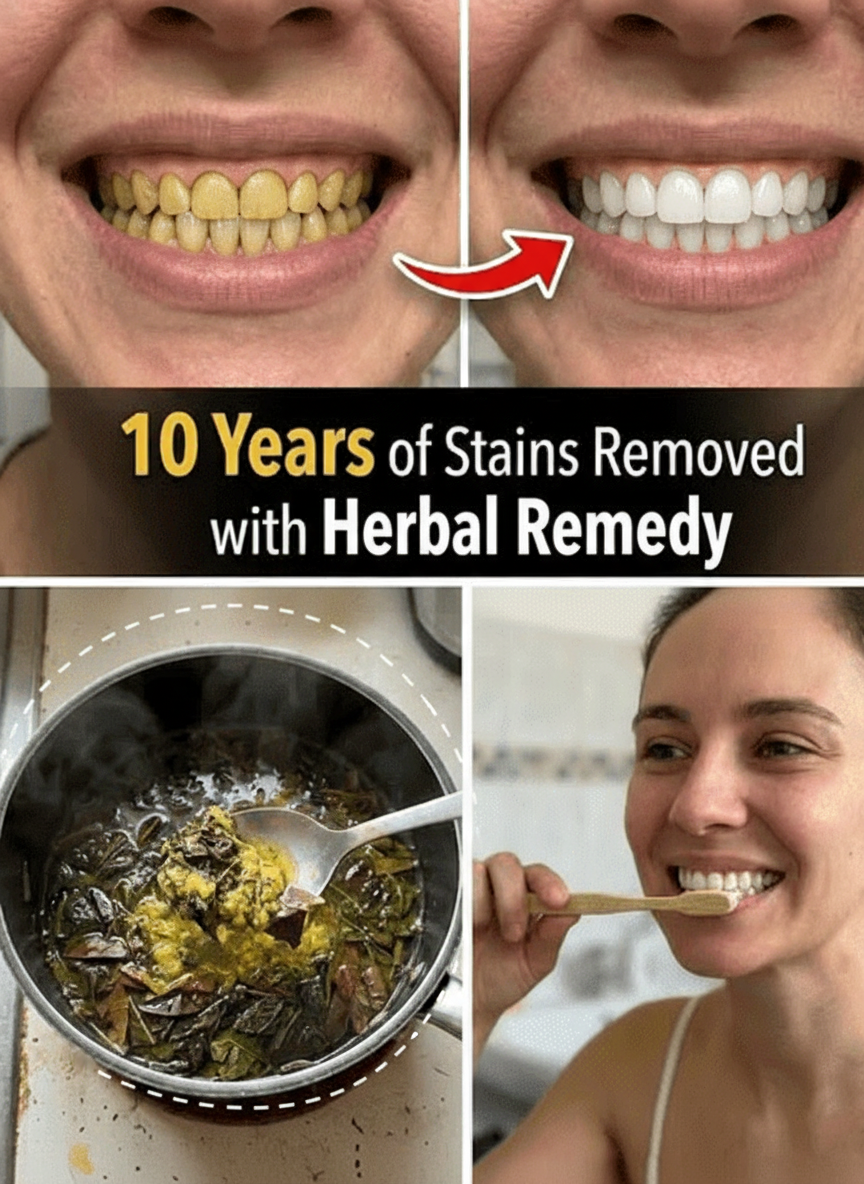
Everyday Habits That Quietly Dim Your Smile
Many daily habits slowly stain teeth without us realizing it, with small exposures accumulating over decades. Here’s how common habits contribute:
- Frequent Coffee/Tea: Dark pigments attach to enamel.
- Smoking: Nicotine and tar create stubborn yellow or brown stains.
- Poor Brushing Technique: Allows plaque buildup, trapping pigments.
- Dry Mouth: Less saliva means fewer natural rinses to wash away stain particles.
- Sugary Snacks: Bacteria produce acids that weaken enamel, making it more susceptible to staining.
The encouraging news is that even small changes can make a visible difference over time. Dentists often recommend focusing on three pillars: meticulous oral hygiene, diet awareness, and gentle stain management.
Your Gentle Herbal Oral Care Routine for a Brighter Smile
For those seeking a more natural approach, here’s a simple routine focused on maintenance and gradual improvement:
- Brush Twice Daily with a Soft Brush: Use a fluoride or dentist-recommended toothpaste. Brush gently for two minutes, ensuring thorough coverage without aggressive scrubbing.
- Rinse After Staining Drinks: After consuming coffee, tea, or other dark beverages, rinse your mouth thoroughly with water. This simple habit significantly reduces pigment buildup.
- Consider Gentle Herbal Support (Occasionally): If you choose to incorporate herbal ingredients, do so cautiously. A mild paste made with a tiny pinch of baking soda mixed with water or coconut oil can be used very occasionally and gently applied to help lift surface stains. Always prioritize gentle action to protect your enamel.
Embracing these gentle habits and understanding the true role of natural ingredients can help you reclaim a healthier, more radiant smile that truly reflects how you feel inside.