 By admin
 6 Unexpected Body Signals That May Hint at Liver Stress
Our bodies are remarkable communicators, often sending subtle hints when something isn’t quite right. For many, small changes like slightly yellow eyes or more prominent leg veins are dismissed as normal aging. Yet, these seemingly minor shifts can sometimes be your liver’s quiet way of asking for attention. This vital organ tirelessly performs hundreds of functions daily – filtering toxins, aiding digestion, and balancing energy. When it’s under stress, it can manifest in unusual ways long before serious problems emerge. Recognizing these signals early empowers you to adopt healthier habits and seek timely medical advice. And stick around, because I’ll share a surprisingly simple daily habit doctors often recommend for liver well-being.
1. Persistent Fatigue That Doesn’t Improve With Rest
Constant tiredness is often attributed to age, but unusual, overwhelming fatigue that persists even after good sleep can signal a struggling liver. When your liver is inefficient at processing waste and nutrients, your body feels drained.
- Feeling tired shortly after waking.
- Low energy throughout the day.
- Difficulty concentrating or “mental fog.”
- A general sense of bodily heaviness.
While fatigue alone isn’t necessarily serious, its combination with other unusual signs warrants a discussion with a healthcare professional.
2. Mild Yellowing of the Eyes or Skin (Jaundice)
One of the most recognized signs of liver stress is a yellowish tint in the whites of your eyes or skin. This occurs due to bilirubin buildup, a substance the liver normally processes and removes.
- Yellow tint in eyes, especially in natural light.
- Skin appearing slightly yellow or dull.
- Darker urine color.
This sign can be subtle and easily missed, often first noticed by family or friends. Sudden or worsening yellowing always requires medical evaluation.
3. Spider-Like Blood Vessels (Spider Angiomas)
Have you noticed tiny, red, spiderweb-like blood vessels on your skin, often on the chest, shoulders, neck, or face? These are called spider angiomas. While they can appear in healthy individuals, their increased presence may indicate changes in liver hormone regulation.
- A small red dot at the center.
- Thin lines radiating outwards like spider legs.
- May briefly fade when pressed.
A few spider angiomas are typically harmless. However, a sudden appearance of several could suggest hormonal shifts linked to liver function.
4. Persistent Itchy Skin Without a Rash
Unexplained, deep itching that isn’t relieved by scratching can be incredibly frustrating. This may happen when bile-related compounds accumulate in the bloodstream, stimulating nerve endings in the skin.
- Persistent itching, often worse at night.
- Itching on palms or soles.
- No visible rash or irritation.
While dry skin, allergies, or medications can also cause itching, persistent, unexplained itching for weeks warrants medical attention to rule out liver involvement.
5. Unusual Veins or Discoloration in the Legs
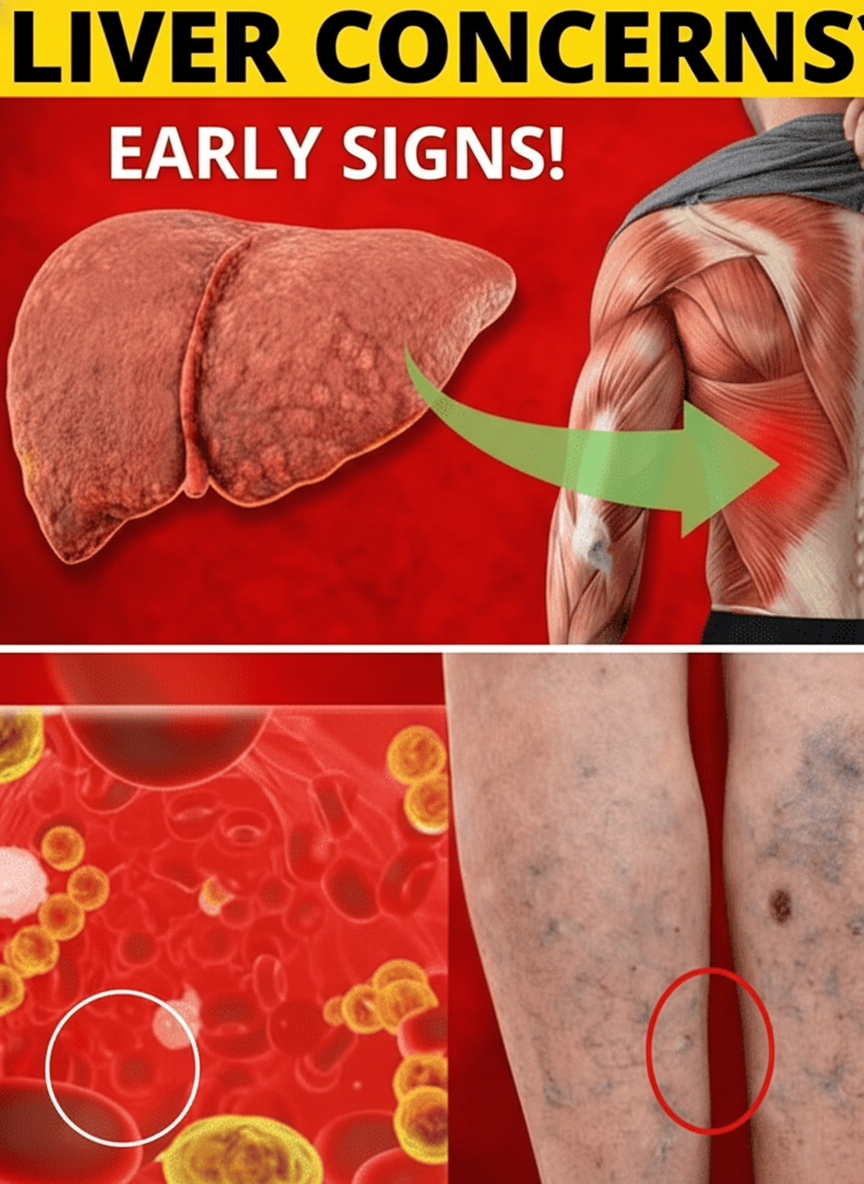
Many adults notice more visible leg veins with age. However, unusually dark, prominent, or discolored veins, especially when accompanied by other symptoms, might suggest impaired circulation or increased pressure in the liver’s blood vessels (portal hypertension). This can manifest as:
- Veins appearing significantly darker or more swollen than usual.
- A network of fine, purplish veins on the legs or abdomen.
- Discoloration or bruising without injury.
If these changes are sudden, extensive, or accompanied by discomfort, it’s wise to consult a doctor.
6. Swelling in the Ankles, Legs, or Abdomen
Fluid retention leading to swelling (edema) in the lower extremities or abdomen (ascites) can be a sign of liver stress. A compromised liver may struggle to produce proteins that help maintain fluid balance, leading to accumulation.
- Swelling in ankles and feet, especially at the end of the day.
- Tightness in shoes or rings.
- Noticeable increase in abdominal size or discomfort.
While other conditions can cause swelling, persistent or unexplained fluid retention, particularly in the abdomen, should be medically investigated.
A Simple Daily Habit for Liver Health
Many doctors emphasize the importance of hydration. Drinking sufficient water throughout the day aids the liver in flushing toxins and maintaining its optimal function. Aim for at least 8 glasses of water daily.
Recognizing these subtle signs is the first step towards better health. If you notice any combination of these symptoms, or have ongoing concerns, please consult a healthcare professional. Early detection and lifestyle adjustments can significantly support your liver’s well-being.
”
}
“`