 By admin
 Subtle Leg Symptoms: A Critical Stroke Warning for Older Adults
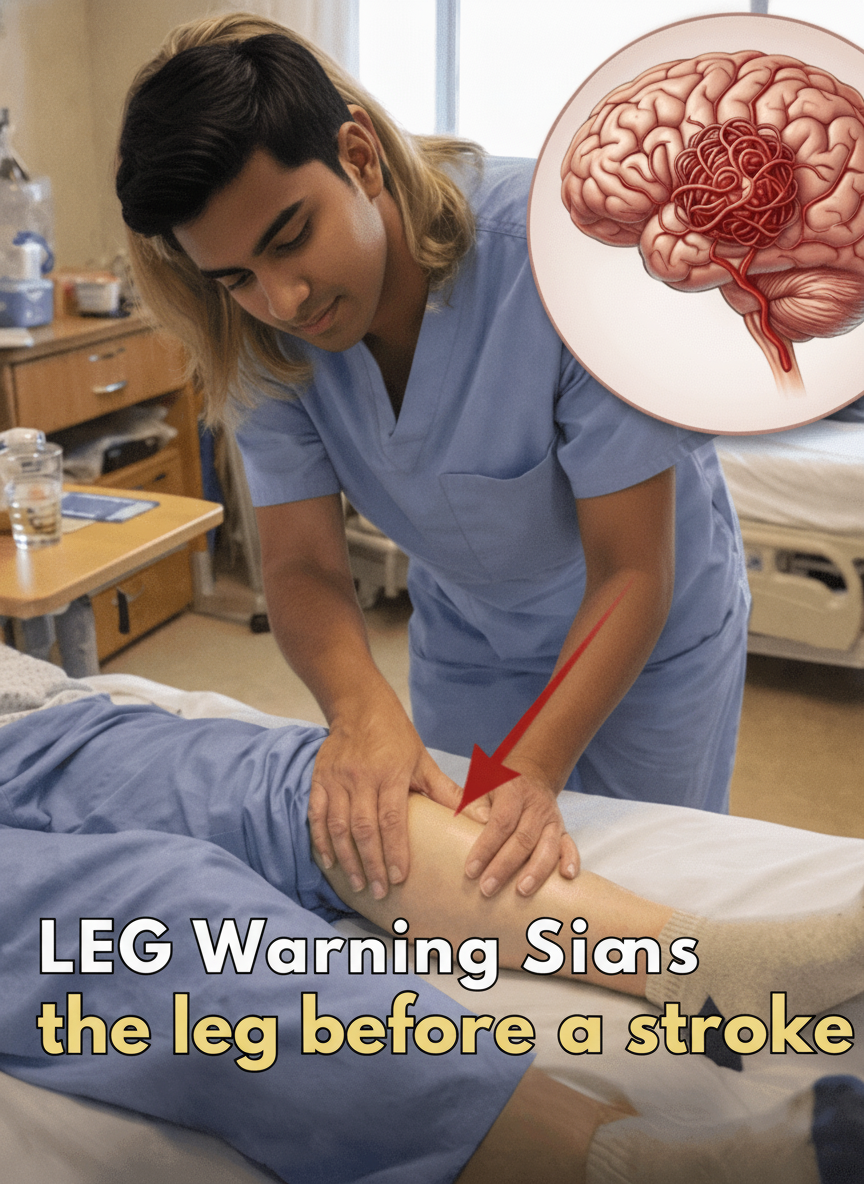
Imagine a typical day, and suddenly, one of your legs feels strangely weak or numb. For many older adults, this fleeting sensation might be dismissed as a minor ache, a result of sitting too long, or just ‘part of aging.’ However, leading medical organizations like the American Stroke Association and Mayo Clinic highlight a crucial truth: sudden weakness or numbness in a leg, particularly on one side, can be an early, critical indicator of a stroke, including types involving brain bleeding (hemorrhagic stroke). Ignoring these signs could mean missing a vital window for intervention.
Strokes don’t always announce themselves with dramatic, immediate pain. Often, subtle body signals appear first, and the legs are frequently involved because the brain controls movement and sensation on the opposite side of the body. This article will break down what these leg-related signs might mean, why they are especially important for seniors, and the immediate steps to take.
Understanding Stroke and Brain Bleeds: The Essentials
A stroke occurs when blood flow to the brain is disrupted. There are two primary types:
- Ischemic stroke: The most common type, caused by a blood clot blocking a vessel in the brain.
- Hemorrhagic stroke: Involves a blood vessel bursting, causing bleeding inside or around the brain (also known as a brain bleed or cerebral hemorrhage).
Both types can lead to similar warning signs because they both impair the brain’s control over the body. Studies, including those referenced by the Cleveland Clinic and CDC, confirm that symptoms often appear suddenly. While hemorrhagic strokes are commonly associated with a severe headache, motor and sensory changes – like those affecting the legs – are also significant indicators. Older adults face a higher risk for strokes due to factors such as high blood pressure, a leading cause of brain bleeds.
Key Warning Signs Involving the Legs
Sudden changes in your legs should be a serious red flag. Here’s what trusted health organizations emphasize:
- Sudden weakness in one leg: You might notice one leg feels heavy, drags when walking, or struggles to support your weight properly.
- Numbness or tingling: A ‘pins-and-needles’ sensation, a complete loss of feeling, or a strange ‘dead’ feeling, often affecting just one side.
- Trouble walking or balance issues: Experiencing stumbling, dizziness, or feeling unsteady, even if your legs appear normal.
These signs frequently affect only one side of the body because the brain’s left hemisphere controls the body’s right side, and vice versa. The American Stroke Association’s BE FAST acronym helps remember critical stroke symptoms:
- B – Balance problems
- E – Eyes (vision changes)
- F – Face drooping
- A – Arm weakness
- S – Speech difficulty
- T – Time to call emergency services
Leg issues directly relate to the ‘Balance’ and ‘Arm weakness’ components of BE FAST. Importantly, these leg-related signs can sometimes appear before more severe symptoms, offering precious minutes to act.
Why These Leg Signals Matter More for Older Adults
As we age, minor shifts in strength or sensation are often dismissed as ‘just getting older.’ However, data from sources like the National Institutes of Health reveal that seniors over 65 are at a significantly greater risk for strokes, and outcomes improve dramatically with rapid action. For instance, sudden unilateral (one-sided) leg weakness has been documented in cases leading to brain events, including hemorrhages in specific brain areas. Do not wait to see if the symptom goes away – ‘time lost is brain lost.’
Consider this quick comparison:
- Normal age-related change: Gradual stiffness after sitting, improves with movement, affects both legs equally.
- Potential warning sign: Sudden onset, affects only one side, may come with other symptoms like confusion or headache, and does not resolve quickly.
What to Do If You Notice These Signs: Actionable Steps
If you or someone you know experiences sudden leg weakness or numbness:
- Stop and assess immediately: Sit or lie down safely to prevent falls.
- Check using FAST or BE FAST: Ask the person to smile (is the face even?), raise both arms (does one drift down?), speak a simple sentence (is their speech slurred?), and note the exact time symptoms started.
- Call emergency services right away: In the US, dial 911 immediately. Clearly state the sudden, one-sided leg issue and any other symptoms observed.
- Do not drive yourself: Let medical professionals handle transport for the fastest and safest care.
- Note details: Remember the time symptoms began, which side of the body is affected, and if there’s any headache or confusion. This information is crucial for doctors.
Acting within the first few hours can make a monumental difference in stroke recovery, as consistently emphasized by stroke experts. Your legs might be providing a vital early warning – listen to them.