 By admin
 Doctors Warn: 10 Silent Signs Your Leg Arteries Are Clogged
For many adults over 50, unexplained leg discomfort during walks, often mistaken for mere fatigue, can be a critical warning sign. This sensation, which forces you to pause and rest, may indicate reduced blood flow in your legs due to narrowed arteries—a condition known as Peripheral Artery Disease (PAD). These arterial changes frequently progress silently, dismissed as normal aging, leading to growing frustration with daily life and concerns about future mobility. Early recognition of these subtle signs of poor leg circulation is vital for timely medical consultation and initiating supportive lifestyle changes.
Why Early Recognition of Poor Leg Circulation Matters
Poor leg circulation becomes increasingly prevalent with age, particularly after 60, affecting millions and often signaling broader cardiovascular health issues. It can severely limit walking ability, impacting independence and quality of life. Crucially, these symptoms often emerge gradually, making early detection key to implementing simple habits that can improve blood flow. Furthermore, reduced circulation in the legs is rarely an isolated problem; it can indicate arterial changes occurring throughout the entire body. By understanding these signs, you’re taking a proactive step towards your health.
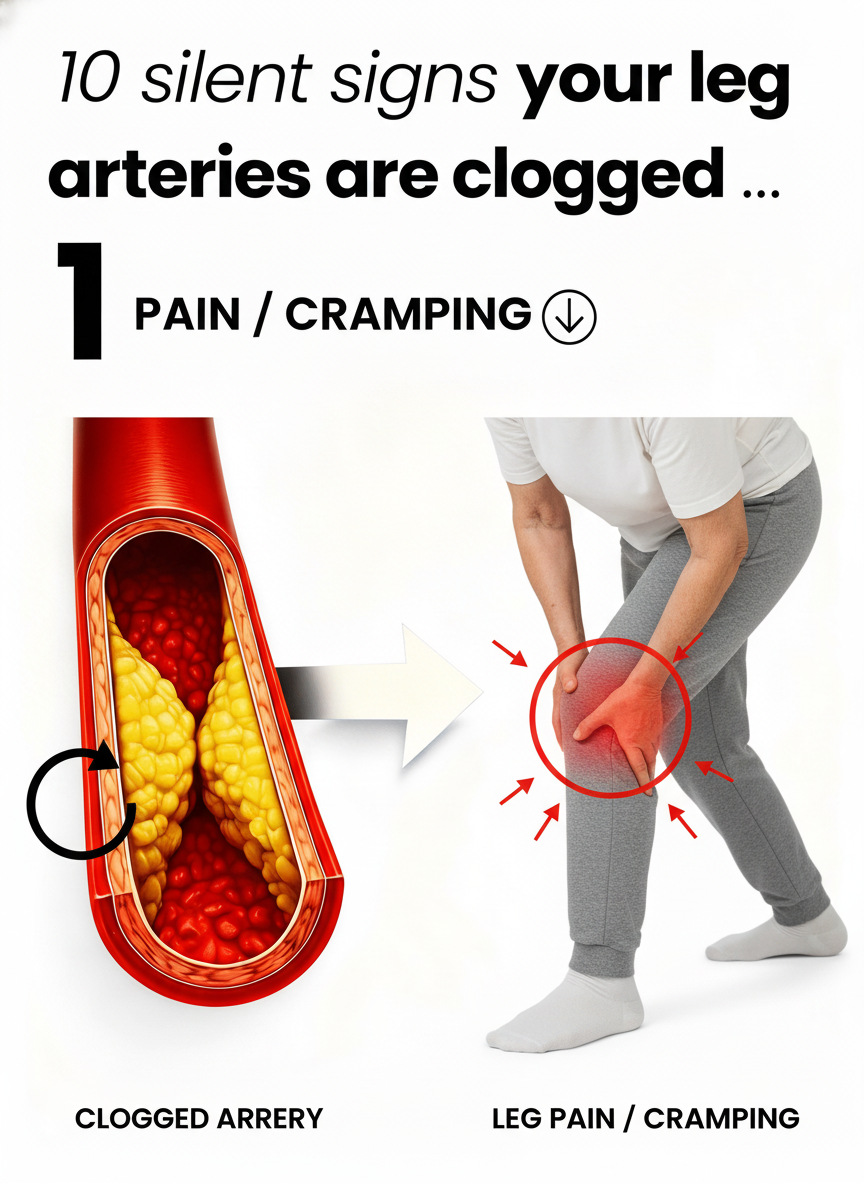
1. Leg Pain or Cramping During Activity (Claudication)
A hallmark sign is pain, cramping, or a heavy sensation in your calves, thighs, or buttocks that consistently appears during walking or climbing stairs. This discomfort typically subsides quickly with rest. This pattern occurs because active muscles demand more blood, but narrowed arteries restrict adequate supply. If everyday tasks become challenging due to this, monitor how far you can walk before symptoms emerge.
2. Persistent Numbness, Tingling, or Weakness
Ongoing numbness, tingling, or weakness in your legs and feet, even at rest, is another key indicator. Individuals often describe a feeling of heaviness or unreliability in their limbs. This diminished sensation can impair balance and elevate fall risk for those over 50. Note if one leg consistently feels different or weaker than the other.
3. Cold Feet or Temperature Discrepancies
A distinct sign is having persistently cold feet or one leg feeling significantly cooler to the touch than the other. Inadequate blood flow prevents sufficient warmth from reaching your extremities. Many seniors find their feet remain cold even in warm environments. A simple comparison using your hands can help detect this difference.
4. Skin Changes: Shiny, Pale, or Discolored
Reduced blood flow often manifests as shiny, smooth, or pale skin on the legs and feet. You might also observe bluish or purplish discoloration, or the skin appearing noticeably thinner and more fragile than before. These visible alterations strongly suggest compromised circulation.
5. Unusual Hair Loss on Legs
An often-overlooked but common sign is sudden or increased hair loss on the lower legs and tops of the feet. Hair follicles require a consistent blood supply to grow. Many individuals notice new “bald” patches on their legs. Though seemingly minor, this reflects the same underlying circulatory issues affecting other body tissues.
6. Slow-Growing or Brittle Toenails
Toenails that become brittle, thickened, or grow unusually slowly can also point to poor leg circulation. Like hair, nails rely on a healthy blood supply. This symptom frequently accompanies other signs, reinforcing the need to assess your overall vascular health.
7. Slowly Healing Sores or Wounds
A more serious symptom of impaired circulation is when small cuts, blisters, or sores on your feet and legs take an unusually long time to heal, or fail to heal entirely. This occurs because reduced blood flow restricts the delivery of essential nutrients and oxygen required for tissue repair. Any non-healing wound warrants immediate medical evaluation.
8. Weak or Hard-to-Find Pulses
Doctors frequently check for weak or absent pulses in your feet and legs. A diminished or undetectable pulse is a strong indicator of restricted blood flow due to arterial narrowing or blockages.
If you recognize any of these silent signs, especially if you are over 50, it is crucial to consult your doctor. Early diagnosis and management of poor leg circulation can prevent more serious complications and significantly improve your quality of life.