 By admin
 Vitamin K2: The Essential Nutrient Protecting Your Arteries and Heart
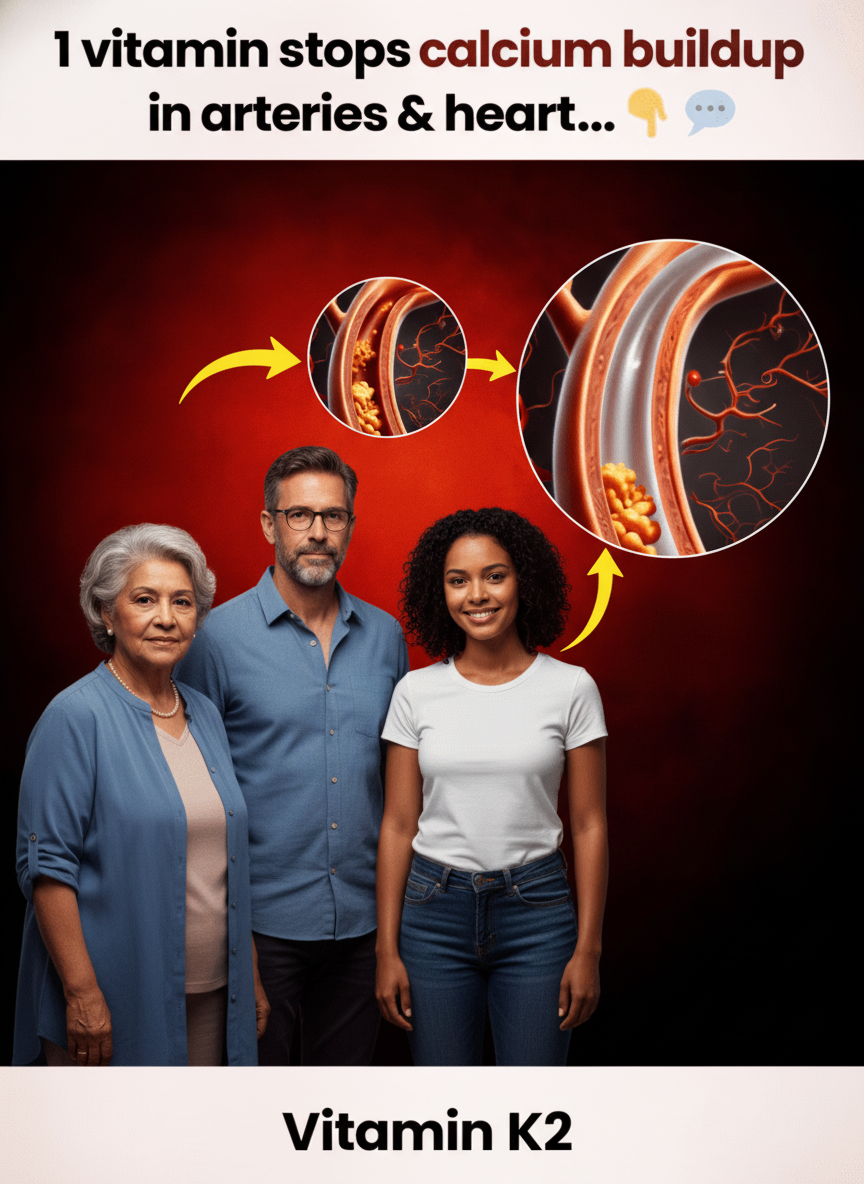
The silent accumulation of calcium in your arteries, known as arterial calcification, poses a significant threat to cardiovascular health. This often goes unnoticed until it leads to serious heart issues, potentially limiting your daily life and causing concern for loved ones. Factors like diet and age contribute to this buildup, often leading to worries about reduced energy and independence.
However, there’s a natural ally in the fight against arterial calcification: Vitamin K2. This remarkable vitamin plays a crucial role in directing calcium away from soft tissues like arteries and into the bones, where it belongs. The best part? You can easily incorporate more K2 into your diet through simple food choices. Let’s explore how Vitamin K2 works and what steps you can take today to support your heart health.
Understanding Vitamin K2’s Role in Arterial Health
Vitamin K2 is uniquely positioned to manage calcium distribution in the body. It activates specific proteins, such as Matrix Gla Protein (MGP), which are essential for preventing calcium from settling in arterial walls. Instead, these activated proteins help guide calcium towards your bones and teeth, contributing to their strength and density. Research consistently highlights K2’s importance in this process, offering a natural mechanism to reduce potential cardiovascular risks associated with calcium buildup.
Top Food Sources of Vitamin K2
Incorporating K2-rich foods into your diet is a straightforward way to support arterial health. Here are some of the best natural sources:
- Natto: This traditional Japanese fermented soybean dish is by far one of the richest sources of Vitamin K2 (specifically MK-7).
- Eel: Another excellent source, particularly in its cooked forms.
- Beef Liver: A nutrient-dense organ meat providing significant K2.
- Grass-fed Butter: Butter from cows fed on grass contains higher levels of K2 (MK-4) compared to conventional butter.
- Egg Yolks: Especially from pastured chickens, as their diet influences the K2 content.
Cheese and Fermented Foods Rich in Vitamin K2
Beyond the top sources, several other delicious foods can boost your K2 intake:
- Certain Cheeses: Hard and semi-hard cheeses like Gouda, Edam, and Jarlsberg are notable for their Vitamin K2 content.
- Sauerkraut and Other Fermented Vegetables: While K2 levels can vary, some fermented foods contribute to your daily intake.
The Crucial Partnership: Vitamin D and Vitamin K2
Vitamin D is well-known for its role in helping the body absorb calcium. However, without sufficient Vitamin K2, this absorbed calcium might not be directed appropriately. Instead of strengthening bones, it could contribute to arterial calcification. This highlights the critical synergy between Vitamin D and K2: Vitamin D ensures calcium absorption, while Vitamin K2 ensures that calcium is utilized effectively and safely, guiding it to where it’s needed most (bones) and away from where it can cause harm (arteries).
Ensuring adequate sunlight exposure for natural Vitamin D production, and pairing it with K2-rich foods, offers a balanced approach to calcium management and cardiovascular protection.
Considering Vitamin K2 Supplementation
While whole foods are always the preferred source of nutrients, Vitamin K2 supplements can be a viable option, especially if dietary intake is limited. Supplements are commonly available in two forms:
- MK-7: Known for its longer half-life, meaning it stays in the body longer.
- MK-4: A shorter-acting form, often found in animal products.
Many K2 supplements are often combined with Vitamin D3 for enhanced efficacy, leveraging their synergistic relationship. When choosing a supplement, prioritize quality brands and remember that they should complement, not replace, a balanced diet rich in K2 foods.
Embracing a Heart-Healthy Lifestyle with Vitamin K2
Supporting healthy arteries with Vitamin K2 is about consistency and informed choices. Start by gradually incorporating K2-rich foods into your daily meals. It’s also wise to consult with a healthcare provider to understand your personal risk for arterial calcification and discuss appropriate dietary or supplementation strategies. Simple steps like tracking your K2 intake and asking for basic heart health checks can empower you on your journey toward better cardiovascular wellness.