 By admin
 Living with arthritis often means facing daily joint pain and stiffness that can make even the simplest tasks feel overwhelming. This constant discomfort not only limits your mobility but also impacts your mood and overall quality of life due to persistent inflammation. While no single solution is a magic bullet, paying attention to your diet can significantly help manage arthritis symptoms by reducing inflammatory triggers. The surprising truth is that avoiding certain common foods can make a real difference in how you feel day to day. Keep reading to discover 9 foods to avoid if you have arthritis and simple swaps to try instead.
1. Processed and Fried Foods
Foods like fast food, packaged snacks, and frozen meals are often high in trans fats and sodium, which can trigger and intensify inflammation. This leads to increased joint pain and stiffness, making daily life more challenging. Studies link these ingredients to swelling that complicates arthritis management. Furthermore, the inflammation from processed foods can contribute to weight gain, adding extra pressure on your joints.
Better Alternative: Opt for home-cooked meals prepared with fresh, whole ingredients to naturally support joint health.
2. Sugar and Sugary Drinks
High sugar intake from sodas, candies, and pastries can significantly increase cytokine production, fueling inflammation and worsening constant joint pain. Research demonstrates that sugar can spike inflammatory responses, amplifying the stiffness and discomfort you already battle daily. Additionally, the extra weight gain associated with sugary foods puts more stress on your joints, turning everyday activities into a bigger challenge.
Better Alternative: Choose natural sweeteners like honey or enjoy fresh fruits instead to help keep inflammation in check.
3. Refined Carbohydrates
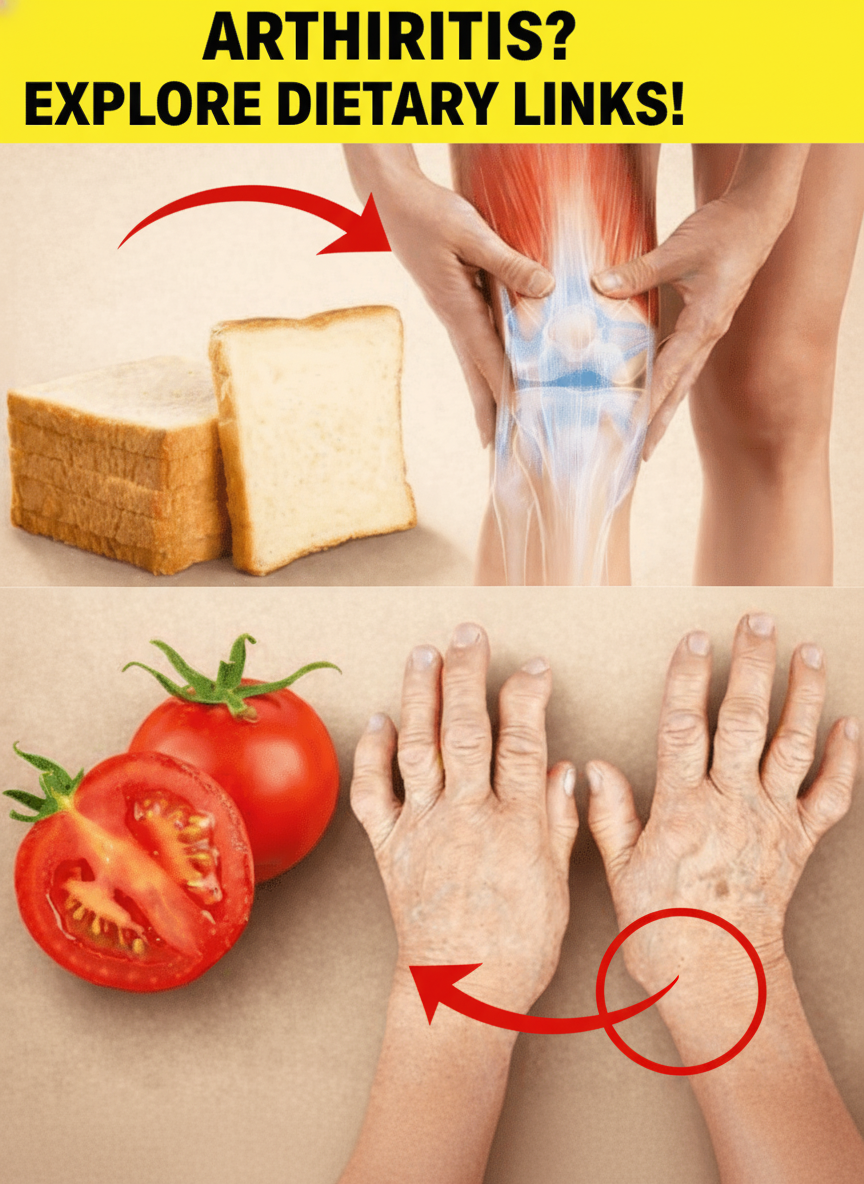
Refined carbohydrates such as white bread, white rice, and pasta can cause rapid spikes in blood sugar levels, leading to increased inflammation. This can make the joint pain and swelling you live with feel even more unbearable. Studies suggest these processed carbs contribute to higher cytokine activity, heightening arthritis symptoms and leaving you feeling drained. The rapid energy crashes from refined carbs can also worsen fatigue, compounding the frustration of managing arthritis daily.
Better Alternative: Switch to whole grains like brown rice, quinoa, and whole wheat bread for steadier energy and improved joint comfort.
4. Dairy Products
For some individuals with arthritis, dairy proteins found in milk, cheese, and butter can trigger joint inflammation, increasing existing pain and stiffness. Health organizations note that dairy may particularly worsen symptoms in cases of rheumatoid arthritis, adding to the emotional toll. The good news is that many people report less discomfort after testing dairy alternatives.
Better Alternative: Try plant-based options like almond or oat milk to ease potential triggers.
5. Red and Processed Meats
Red and processed meats, often high in saturated fats and advanced glycation end products (AGEs), promote inflammation. This can intensify swelling and pain, making movement difficult. Studies suggest these foods raise inflammatory markers linked to worse arthritis symptoms and increased joint stress. Cutting back on these can help you regain some freedom from constant aches.
Better Alternative: Opt for lean proteins such as fish, chicken, or plant-based options like lentils and beans.
6. Alcohol and Beer
Excessive alcohol consumption, especially beer, can raise uric acid levels and purines, potentially sparking painful gout attacks and worsening existing joint pain. Research links alcohol to increased inflammation, which can heighten stiffness and limit your activities. Even moderate intake may contribute to the fatigue and discomfort commonly associated with arthritis.
Better Alternative: Focus on staying well-hydrated with plenty of water. Consult your doctor about safe alcohol limits for your specific condition.