 By admin
 Many seniors reach for a “small pill” for better sleep, only to find mornings foggier and blood pressure numbers creeping up. It’s easy to blame age or stress, but this quiet reliance on sleep aids often overlooks how sleep habits and medications truly impact heart health. The real story isn’t always the pill itself, but what it masks and crucial lifestyle factors.
Why Blood Pressure Becomes More Dangerous With Age
As we age, blood vessels naturally lose flexibility, hindering smooth blood flow. Even slightly elevated blood pressure, over time, silently strains the heart, brain, and kidneys. Uncontrolled hypertension is linked to higher risks of:
- Heart disease
- Stroke
- Kidney problems
Often called the “silent pressure problem,” hypertension shows no symptoms until damage has begun. For seniors, reduced physical activity, poor sleep, increased medication use, and chronic stress or loneliness can worsen this risk.
The Hidden Link Between Sleep Problems and Blood Pressure
Sleep disorders like insomnia or sleep apnea are common with age and impact more than just energy; they affect your entire cardiovascular system. Poor sleep keeps your body in “stress mode,” elevating stress hormones like cortisol, which can:
- Raise blood pressure
- Increase heart rate
- Affect circulation
Research confirms that poor sleep is associated with a higher risk of developing hypertension. Many turn to sleep medications as a quick fix, but the picture is more complex.
Do Sleeping Pills Affect Circulation or Blood Clot Risk?
Misinformation often creates fear here. Not all sleeping pills are the same. Common sleep medications are mainly associated with:
- Drowsiness or next-day grogginess
- Increased fall risk
- Memory or alertness changes
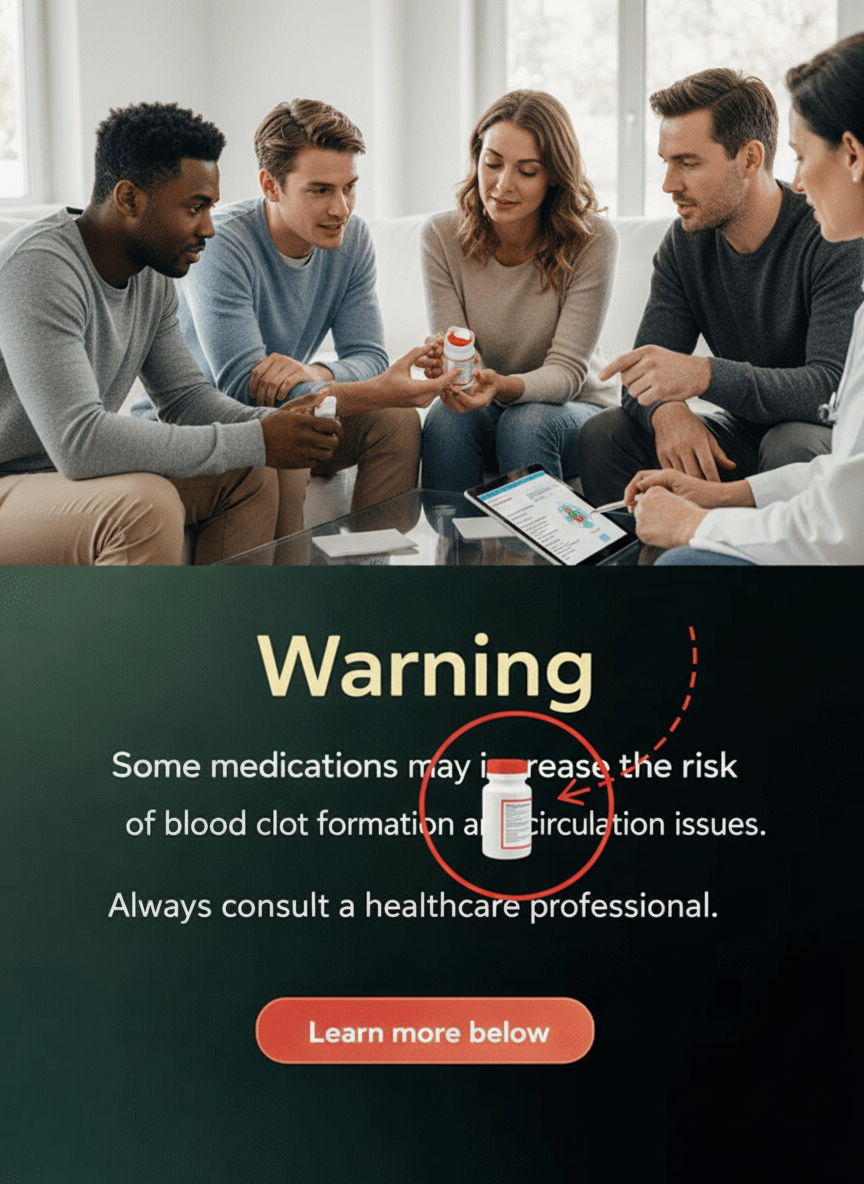
Crucially, they are not broadly known to directly cause blood clots in most people. Confusion arises because some specific medications (e.g., hormone-related drugs) are linked to clot risks, leading to miscategorization. What truly matters more is long-term reliance on sleep aids, underlying health conditions, and lifestyle habits like inactivity. If a sleep pill leads to reduced activity the next day, this can indirectly affect circulation over time.
Common Habits That Quietly Worsen Hypertension
Beyond medication, daily habits significantly impact hypertension risk. Common patterns include:
- Prolonged sitting without movement
- Consuming high-sodium processed foods
- Drinking caffeine late in the day
- Relying on pills instead of improving natural sleep habits
Poor sleep leads to fatigue and higher blood pressure. A sedentary lifestyle causes low energy and poor circulation. High-sodium diets result in water retention and strain on the heart. Overusing sleep aids can cause drowsiness and reduced activity. The pattern is clear: a combination of these factors, not just one, elevates risk over time.
Simple Daily Steps to Support Healthy Blood Pressure
The good news is small, consistent changes can make a big difference. You don’t need a complete life overhaul. Start with these:
- Take a 10–15 minute walk after meals.
- Maintain a consistent bedtime, even on weekends.
- Reduce salt intake by cooking more at home.
- Avoid screens for at least 30 minutes before sleep.
- Consult a healthcare provider before regular use of sleep aids.
Interestingly, improving sleep naturally often simultaneously benefits blood pressure, offering a dual solution through simple adjustments.
When Should You Talk to a Healthcare Provider?
Do not ignore these signs:
- Blood pressure readings consistently above your normal range.
- Frequent reliance on sleep medication.
- Persistent fatigue or poor sleep quality despite efforts.
”
}
“`