 By admin
 You’ve likely dismissed those subtle shifts in your daily routine – a faint pink in the toilet, an increased urge to go, or that persistent discomfort you can’t quite shake. This quiet unease about potential bladder cancer symptoms can escalate into real anxiety, disrupting your peace of mind. But here’s the empowering truth: recognizing these critical warning signs puts you in control, guiding you on when to consult a healthcare professional. Let’s explore some of the key indicators you should never ignore.
🚨 1. Blood in the Urine (Hematuria)
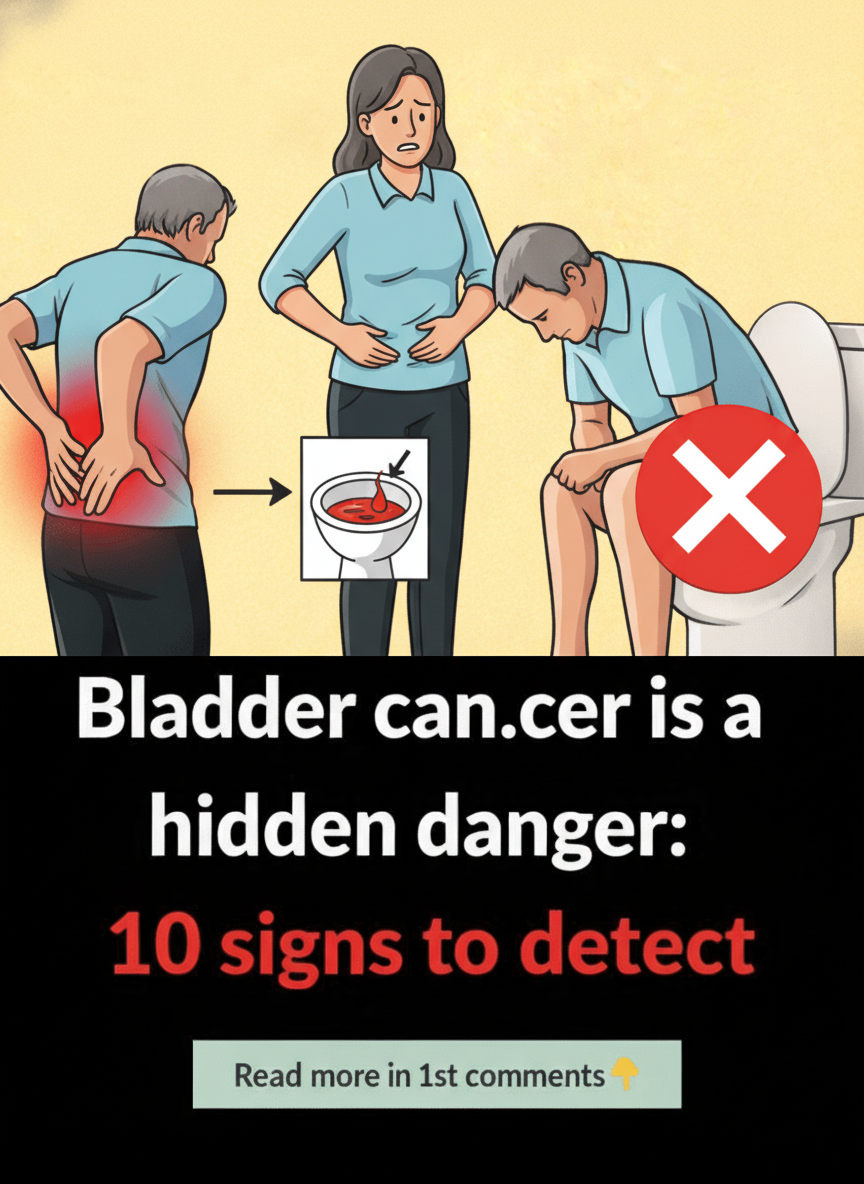
Blood in the urine, known as hematuria, is the most common and often the earliest sign of bladder cancer. It might appear as bright red, pink, or rusty-colored urine, but sometimes it’s only detectable under a microscope during routine tests. This symptom can be particularly alarming, yet it’s crucial to remember that many benign conditions can also cause it. What makes hematuria tricky is its intermittent nature – it can appear once and then vanish for weeks, creating false reassurance. However, its presence, even if fleeting and painless, warrants immediate medical investigation. Research from leading health organizations like the American Cancer Society and Mayo Clinic consistently highlights hematuria as a primary clue, making its early recognition vital for timely intervention.
🚨 2. Increased Urination Frequency
A sudden and unexplained need to urinate much more often than usual is another significant warning sign. You might find yourself rushing to the bathroom every hour or two, even without increased fluid intake. This disruptive change can lead to frustration and stress, impacting your daily life. While common conditions like urinary tract infections (UTIs) can cause similar frequency, persistent changes, especially when not accompanied by other UTI symptoms, should prompt a medical evaluation. The National Cancer Institute notes that altered frequency often appears alongside other bladder cancer indicators, making it a symptom worth careful attention.
🚨 3. Sudden Urgency to Urinate
That intense, sudden, and often uncontrollable urge to urinate, even when your bladder isn’t full, is a critical symptom. This urgency can strike unexpectedly, causing discomfort and anxiety about potential accidents. Living with this unpredictable symptom can be emotionally draining, leading to embarrassment and constant vigilance. This urgency frequently co-occurs with increased frequency, creating a cycle that heightens concerns about urinary health. Experts at the Mayo Clinic identify it as a classic early indicator, so if sudden urgency has become a regular concern, understanding it as a potential bladder cancer sign can empower you to seek professional advice calmly.
🚨 4. Pain or Burning During Urination (Dysuria)
A stinging or burning sensation while urinating, medically termed dysuria, is another symptom that shouldn’t be overlooked. This discomfort often mimics a urinary tract infection (UTI), which can lead to confusion and delay in seeking appropriate care. While UTIs are common culprits, persistent burning or pain that doesn’t resolve with typical UTI treatment or recurs frequently should raise a red flag. Leading health organizations list unresolved dysuria among key bladder cancer indicators. If you’re experiencing persistent pain during urination, discussing it with your doctor is a crucial step.
🚨 5. Lower Back or Pelvic Discomfort
Persistent and unexplained discomfort or pain in the lower back or pelvic region can also be a warning sign, particularly if it’s new or worsening. While many conditions can cause back or pelvic pain, when this discomfort is accompanied by other urinary symptoms, or when it’s persistent and unresponsive to common remedies, it warrants investigation. This symptom, though less specific than hematuria, can sometimes indicate more advanced disease or simply be an early, subtle signal that something is amiss within the bladder. Always consult a healthcare professional if you experience unexplained, persistent pain in these areas.
Recognizing these signs early is paramount for effective treatment. If you experience any of these symptoms, especially if they are persistent or recurrent, do not hesitate to contact your doctor. Early detection saves lives.