 By admin
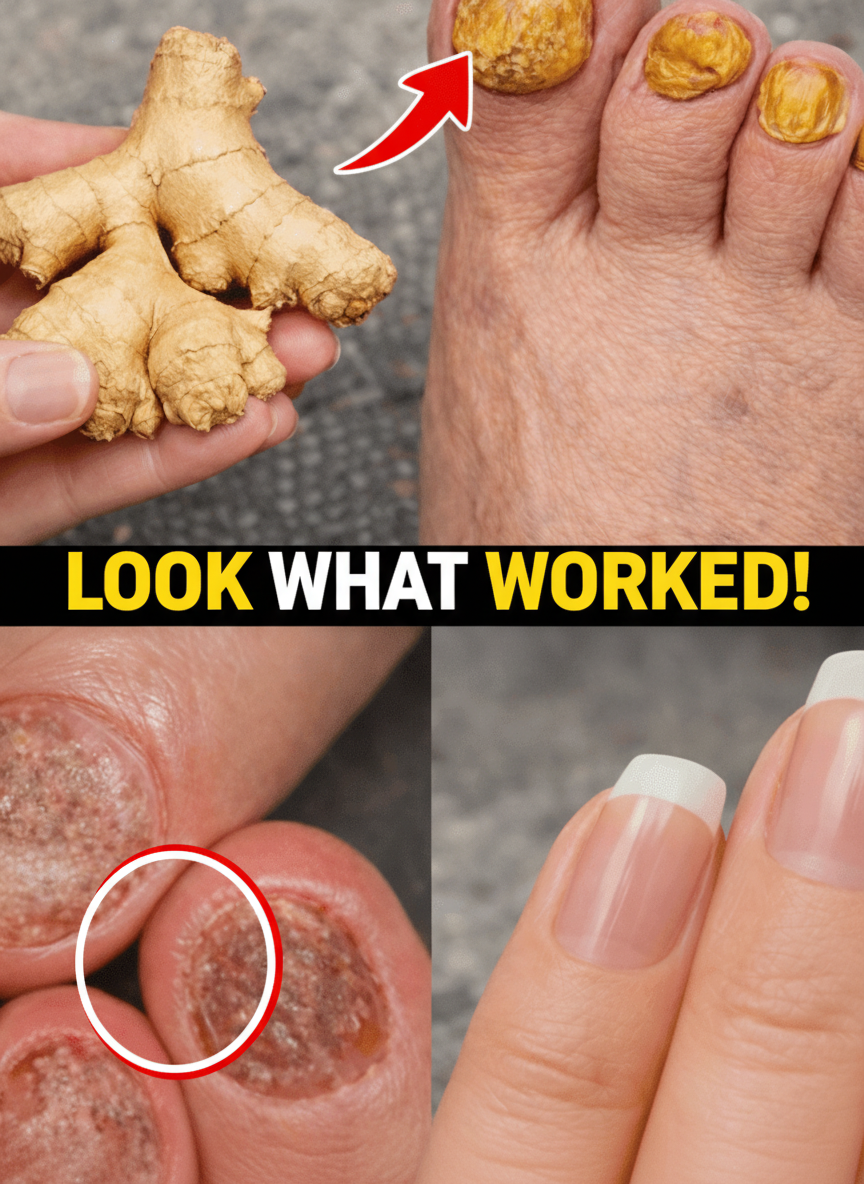
 Toenail fungus (onychomycosis) can be a persistent and frustrating issue, transforming nails into thick, discolored, and brittle states. This common condition often leads to self-consciousness and discomfort, especially when conventional treatments seem slow or ineffective. The good news is that many are exploring natural, at-home remedies using everyday kitchen ingredients, some of which show potential antifungal properties in lab studies. Among these, one root vegetable stands out: ginger. Later, we’ll reveal practical ways to incorporate it into your routine for potential support.
Understanding Toenail Fungus and Its Persistence
Medically known as onychomycosis, toenail fungus thrives in warm, moist environments like shoes and socks. It typically begins as a small white or yellow spot under the nail tip, spreading if left unaddressed. Factors such as poor circulation, weakened immunity, or frequent damp exposure increase its prevalence in adults. The slow growth rate of toenails (around 1-1.5 mm per month) makes fungal infections particularly challenging to eliminate, often requiring months of consistent effort for visible improvement. While prescription options are available, many seek complementary home strategies. Interestingly, natural plant compounds have been widely studied for their ability to inhibit fungal growth in various contexts.
Why Ginger May Be a Game-Changer for Nail Health
Ginger (Zingiber officinale) is renowned for more than just its culinary uses; it’s a powerhouse of bioactive compounds like gingerols and shogaols. Laboratory research has investigated ginger’s essential oil and extracts for their antifungal capabilities against various pathogens, including certain Candida species and plant fungi. Studies, for instance, have shown ginger essential oil sprays reducing fungal adhesion on surfaces and disrupting fungal structures. While these findings largely stem from in-vitro (test-tube) or plant-based studies, they ignite curiosity about ginger’s potential topical or supportive benefits for nail concerns. It’s crucial to understand that ginger isn’t a standalone cure, but its promising properties make it a popular, natural addition to many home care routines.
Integrating Ginger into Your Nail Care Routine
If you’re considering ginger for healthier nails, consistency and gentle application are key. Here’s a simple guide:
- Prepare Fresh Ginger: Grate or crush fresh ginger root to extract its beneficial compounds.
- Form a Paste or Soak: Combine the grated ginger with a small amount of warm water or a carrier oil like coconut oil for easier application.
- Apply Carefully: Using a cotton swab or clean cloth, dab the mixture onto clean, dry affected nails. Allow it to sit for 15-30 minutes, ensuring no irritation occurs.
- Rinse and Moisturize: Gently wash off the ginger mixture and apply a moisturizer to prevent dryness.
- Repeat Daily: For best results, aim for daily application. Remember to keep nails trimmed short and feet dry to support the process.
Always perform a patch test first to check for any skin sensitivity or irritation.
Complementary Habits for Enhanced Nail Health
Enhance your nail care efforts by combining ginger application with these supportive practices:
- Maintain Foot Hygiene: Always dry your feet thoroughly after washing, paying special attention to the areas between your toes.
- Opt for Breathable Footwear: Choose shoes that promote air circulation and wear moisture-wicking socks to keep feet dry.
- Proper Nail Trimming: Trim nails straight across and gently file down any thickened areas. This helps topical treatments penetrate more effectively.
- Consider Other Natural Aids: Some individuals find diluted tea tree oil or apple cider vinegar soaks beneficial, as small studies indicate mild antifungal properties.
A Snapshot of Common Home Nail Support Strategies
While not definitive cures, these low-risk home strategies can offer supportive benefits:
- Tea Tree Oil: Known for strong antifungal effects in lab studies; apply diluted twice daily.
- Vicks VapoRub: Contains menthol and eucalyptus; some users report partial improvement in small studies.
- Vinegar Soaks: Creates an acidic environment, potentially inhibiting fungal growth; soak for 15-20 minutes daily.
- Ginger Application: Emerging lab evidence suggests antifungal properties from its compounds; use fresh root topically.
- Baking Soda: Primarily helps absorb moisture; apply as a paste.
Many who consistently incorporate these methods, alongside good hygiene, observe positive changes over time.