 By admin
 Unmasking the Risks: 9 Supplements That Could Strain Your Liver and Kidneys
You probably take supplements with the best intentions—to boost health, fill nutritional gaps, or enhance well-being. But what if some of these “natural” pills, especially when taken in high doses or over extended periods, are quietly putting a burden on your vital organs?
The common assumption that over-the-counter supplements are always safe is a nuanced reality. While many are beneficial in moderation, research from institutions like the National Institutes of Health and medical registries increasingly links certain popular supplements to potential strain on your liver and kidneys. Awareness is your strongest defense.
This guide will illuminate nine commonly used supplements associated with possible risks to liver or kidney health, explain why these organs are vulnerable, and outline practical steps to safeguard them. Stay informed to protect your health.
Why Your Liver and Kidneys Are Vulnerable to Certain Supplements
Your liver is the body’s primary detoxifier, processing everything ingested, including supplements. Your kidneys meticulously filter blood, remove waste, and maintain fluid and mineral balance. When certain compounds—particularly fat-soluble ones that accumulate, or potent herbal extracts—are consumed in high amounts, these organs face an increased workload or direct stress.
Reports from networks like the Drug-Induced Liver Injury Network (DILIN) underscore that herbal and dietary supplements are a growing contributor to liver concerns. For kidneys, excessive intake of specific nutrients can lead to issues like stone formation or strain, especially in individuals with pre-existing conditions. Factors such as medication interactions, poor product quality, or individual health status can amplify these risks. Crucially, most problems stem from overuse, not standard doses found in food or typical multivitamins.
9 Supplements Linked to Potential Liver or Kidney Concerns
Here are nine supplements frequently highlighted in medical literature for potential risks, particularly when taken in excess or in specific forms. Always consult your healthcare provider before starting any new supplement.
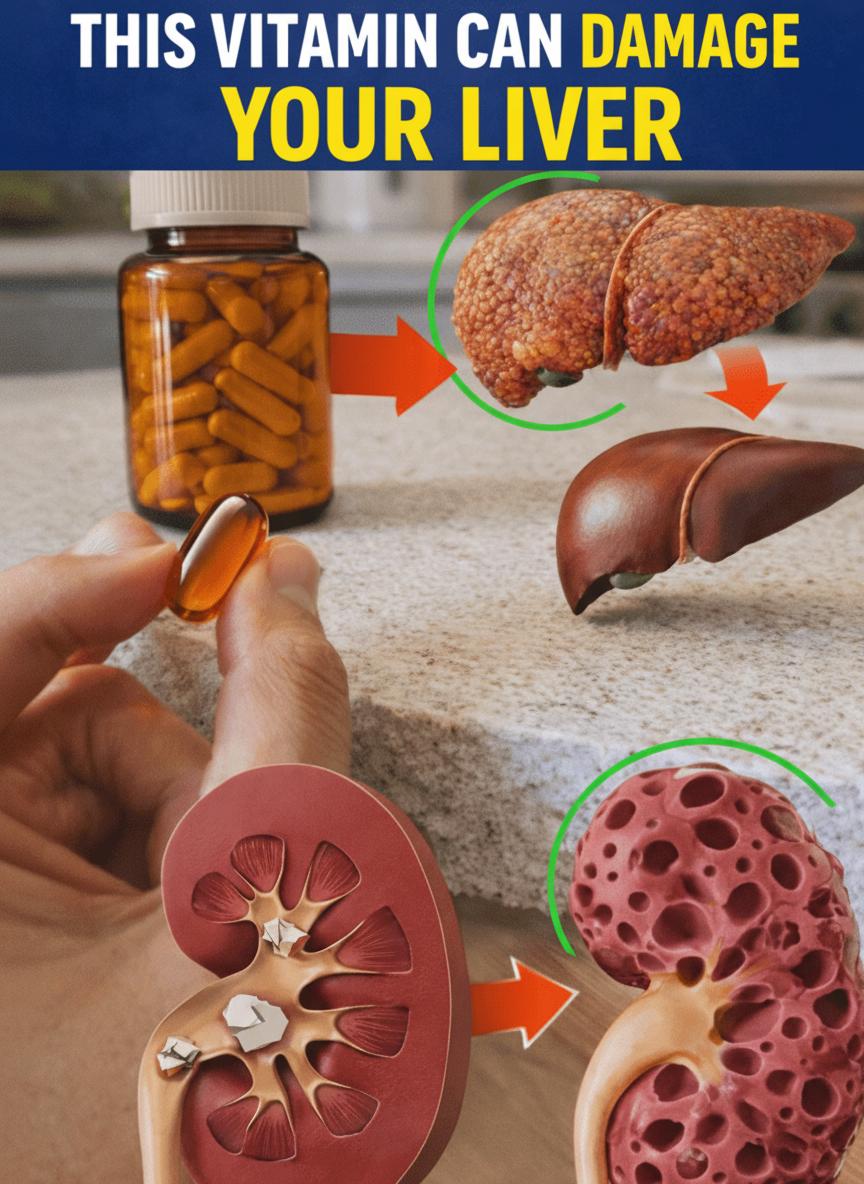
- Green Tea Extract: Popular for weight loss, concentrated extracts (pills) have been linked to elevated liver enzymes in some studies, often due to high doses of EGCG. Regular brewed tea is generally safe.
- Turmeric/Curcumin (High-Dose): Valued for anti-inflammatory properties, very high amounts or enhanced-absorption forms have been reported to cause liver stress. Standard culinary use poses little risk.
- Ashwagandha: An adaptogen for stress relief, recent analyses suggest potential liver effects in some users, especially with prolonged or high-dose use.
- Vitamin A (High Doses): Essential for vision, but intake exceeding 40,000 IU daily from supplements can accumulate in the liver, potentially leading to toxicity over time. Adhere to recommended daily allowances.
- Niacin (Vitamin B3 – High Doses): While prescription niacin manages cholesterol, over-the-counter high-dose forms have been associated with liver enzyme changes. Low doses in multivitamins are typically safe.
- Black Cohosh: Used for menopausal symptoms, case reports and registries have occasionally linked it to rare liver concerns.
- Garcinia Cambogia: A weight-loss supplement, this fruit extract has appeared in liver injury databases, often as part of multi-ingredient formulas.
- Vitamin C (Very High Doses): Beneficial for immunity, but mega-doses (over 2,000 mg daily) can increase kidney stone risk in susceptible individuals, as excess converts to oxalate.
- Red Yeast Rice: Marketed for cholesterol management, it can contain compounds similar to statin medications that may strain the liver in some cases, with variable potency across products.
It’s important to note that these supplements aren’t inherently “deadly” for everyone. Risks are highly dependent on dose, duration of use, product quality, individual health, and the presence of contaminants or other ingredients in multi-compound products.
Key Warning Signs to Watch For
If you’re taking any supplements, be vigilant for these subtle indicators of potential organ stress. Stop use and seek medical advice immediately if you experience:
- Unusual fatigue or weakness
- Yellowing of skin or eyes (jaundice)
- Dark urine or pale stools
- Abdominal discomfort
- Nausea or loss of appetite
- Swelling in legs or changes in urination
Practical Steps to Protect Your Liver and Kidneys
Empower yourself with these actions to minimize risks:
- Consult a Healthcare Professional: Always discuss supplement use with your doctor, especially if you have pre-existing conditions or take medications.
- Adhere to Recommended Doses: Never exceed the suggested dosage on labels, and be wary of “mega-doses.”
- Research Thoroughly: Investigate the reputation and third-party testing of supplement brands.
- Be Cautious with Multi-Ingredient Formulas: These often contain complex blends that can increase interaction risks.
- Monitor Your Body: Pay attention to any new or unusual symptoms after starting a supplement.
By staying informed and proactive, you can harness the potential benefits of supplements while significantly reducing the risk to your vital liver and kidney health.