 By admin
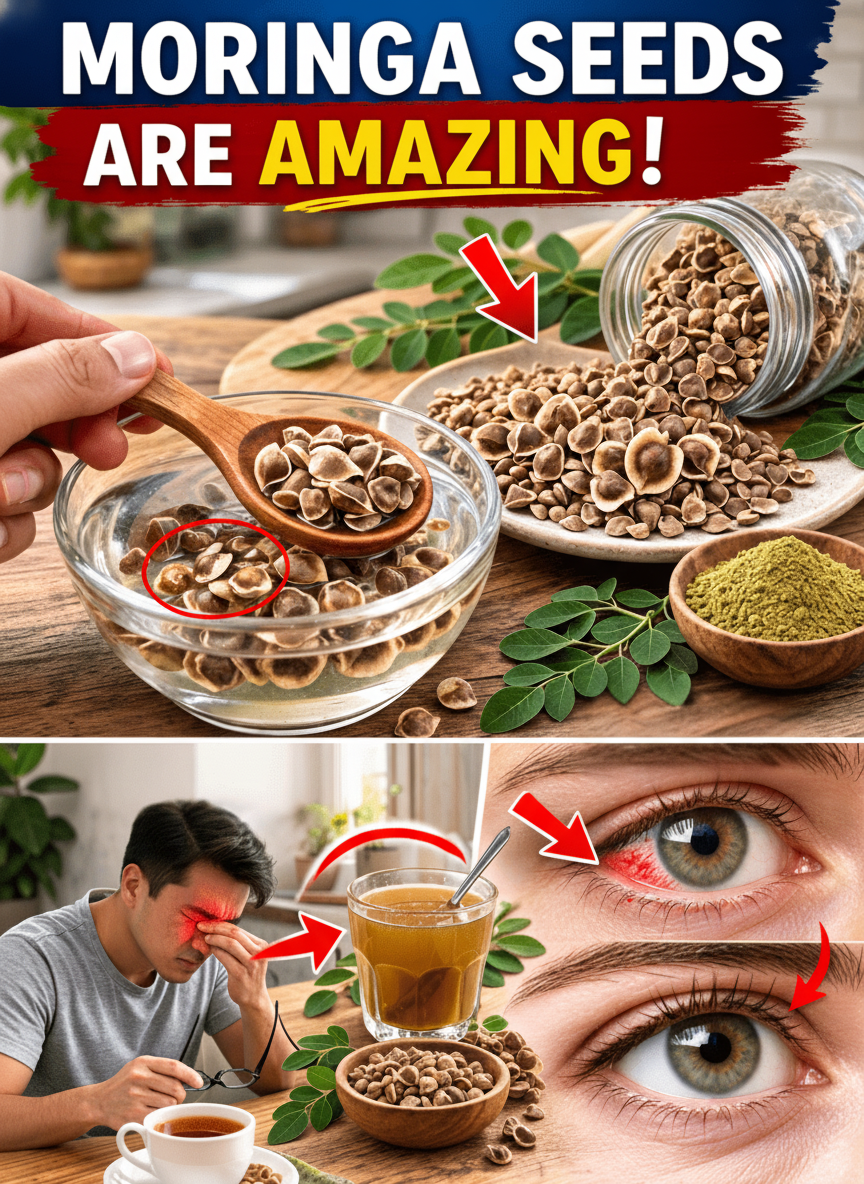
 Moringa oleifera, often hailed as the “miracle tree,” has been a cornerstone of traditional medicine across India and Africa for centuries. While its leaves are widely celebrated, the seeds are increasingly capturing the spotlight due to their remarkable nutritional profile. Unlike their leafy counterparts, moringa seeds are packed with healthy fats (especially monounsaturated fats like oleic acid), quality proteins, and a rich array of beneficial phytochemicals. Early research, supported by scientific reviews from sources like PubMed and Healthline, highlights their potential antioxidant and nutrient-dense properties, pointing towards a role in general well-being. With approximately 30-40% oil rich in beneficial fatty acids, alongside proteins and other compounds, moringa seeds present a distinct and promising nutritional composition.
12 Emerging Benefits of Moringa Seeds
Based on scientific reviews and preliminary studies, moringa seeds show intriguing potential across various health areas. It’s important to remember these are observations from research, not medical claims. Always consult a healthcare professional for personalized health advice.
-
Rich Source of Healthy Fats
Over 70% of the oil in moringa seeds is oleic acid, a monounsaturated fatty acid similar to those found in olive oil, potentially supporting heart-healthy eating patterns.
-
Nutrient-Dense Protein Boost
After oil extraction, the remaining seed residue is a good source of plant-based protein (19-30%), containing essential amino acids, including sulfur-rich ones.
-
Antioxidant Support
Compounds like flavonoids, tocopherols, and sterols in the seeds act as potent antioxidants, helping combat oxidative stress in lab studies.
-
Potential Anti-Inflammatory Properties
Preliminary research, including animal models, suggests bioactive phytochemicals in seeds may help modulate inflammatory responses, contributing to overall comfort.
-
Blood Sugar Management Insights
Some studies indicate moringa (including seeds) may have modest effects on glucose levels in animal and small human trials, hinting at metabolic health support.
-
Cholesterol and Lipid Profile Support
The balanced fatty acid profile of moringa seed oil may contribute to maintaining healthy cholesterol levels, observed in limited trials with related moringa parts.
-
Antimicrobial Activity
Lab studies show extracts possess activity against certain bacteria and fungi, aligning with traditional uses for natural defense.
-
Liver Health Potential
Animal research suggests hepatoprotective effects, where seeds may help protect liver function from oxidative challenges.
-
Skin and Hair Nourishment
The oil, rich in fatty acids and vitamins, is used topically for its moisturizing properties, making it popular in natural beauty routines.
-
Water Purification Tradition
Historically, seeds have been used as natural coagulants to clarify water, demonstrating their versatile applications beyond consumption.
-
Immune System Support
The combination of vitamins and antioxidants may contribute to overall immune resilience, reinforcing moringa’s traditional health role.
-
Energy and Vitality from Nutrients
Proteins, fats, and minerals in the seeds provide sustained energy, making them a potential dietary addition for active lifestyles.
Simple Ways to Incorporate Moringa Seeds into Your Routine
Ready to explore moringa seeds? Start with a small, safe approach:
-
Purchase Quality Seeds
Opt for organic, food-grade moringa seeds from trusted suppliers. Avoid pre-roasted or heavily processed varieties initially.
-
Preparation Options
Remove the outer husk. You can chew 1-2 seeds daily (they have a mild, nutty flavor with a slight bitterness). Alternatively, grind them into a powder to add to smoothies or teas (begin with ½ teaspoon).
-
Daily Incorporation Ideas
Sprinkle powdered seeds into your morning oatmeal or yogurt. Add them to salads for a nutritious crunch. Use extracted moringa seed oil in cooking or as part of your skincare regimen.
-
Dosage Tip
Begin with 1-3 seeds or an equivalent amount of powder daily. Short-term use is generally well-tolerated according to studies. Always listen to your body and gradually adjust intake.
Moringa Seeds vs. Leaves: A Quick Comparison
Understanding the differences highlights how seeds offer a complementary nutritional profile to the more commonly discussed leaves:
| Aspect | Moringa Seeds | Moringa Leaves |
|---|---|---|
| Primary Nutrients | Healthy fats, protein, oil | Vitamins A/C, iron, calcium |
| Common Use | Oil extraction, direct eating | Teas, powders, cooking |
| Key Research Focus | Antioxidant, lipid support | Blood sugar, anti-inflammatory |
| Taste/Texture | Nutty, slightly bitter | Mild, green |
Final Thoughts
Moringa seeds offer a compelling blend of traditional wisdom and modern nutritional appeal. With their unique composition of healthy fats, proteins, and a wide array of beneficial compounds, these tiny powerhouses are proving to be a valuable addition to the wellness landscape. As research continues to uncover their full potential, moringa seeds are certainly poised to maintain their growing attention as a natural ally for health and vitality.