 By admin
 Guava Leaves for Oral Health: 3 Traditional Habits Seniors Should Know
That uncomfortable moment when you realize your smile isn’t as confident as it used to be – perhaps due to dark spots, sensitivity, or persistent bad breath. Many older adults experience these common dental challenges, sometimes dismissing them as an inevitable part of aging. Yet, these issues can quietly erode confidence and lead to discomfort, making simple pleasures like eating or laughing less enjoyable.
While modern dentistry is crucial, ancient wisdom offers complementary approaches. Across many cultures, simple plants like guava leaves have been cherished for their traditional role in supporting oral hygiene. When used thoughtfully alongside professional dental care, these age-old habits might offer a natural boost to your daily mouth cleanliness.
Why Guava Leaves Are Mentioned in Traditional Oral Care
For generations, particularly in tropical regions, guava leaves have been a staple in traditional wellness practices. Grandparents often shared stories of chewing these leaves or using their extracts for mouth rinses. But what makes them special?
Scientific exploration into plant-based compounds suggests guava leaves contain natural substances like flavonoids and tannins. These compounds are frequently studied for their potential antimicrobial and anti-inflammatory properties, which could contribute to a healthier oral environment. It’s vital to remember: guava leaves are not a substitute for professional dental care. However, when incorporated carefully into your daily routine, they may help maintain overall oral freshness and cleanliness.
Habit 1: The Gentle Guava Leaf Mouth Rinse
One of the most widespread traditional uses involves a warm guava leaf rinse. Many older adults find this method soothing and a natural way to support general mouth freshness.
Simple Preparation:
- Thoroughly wash 5-7 fresh guava leaves.
- Boil them in clean water for about 10 minutes.
- Allow the liquid to cool until it’s comfortably warm.
- Use this liquid as a gentle mouth rinse after brushing your teeth.
- Swish the rinse in your mouth for approximately 20 seconds, then spit it out.
Many prefer this homemade rinse for its mildness and fewer artificial ingredients compared to some commercial options. Important: This rinse is designed to complement your hygiene, not replace essential practices like brushing, flossing, or regular dental check-ups.
Habit 2: Chewing Fresh Guava Leaves for Gum Stimulation
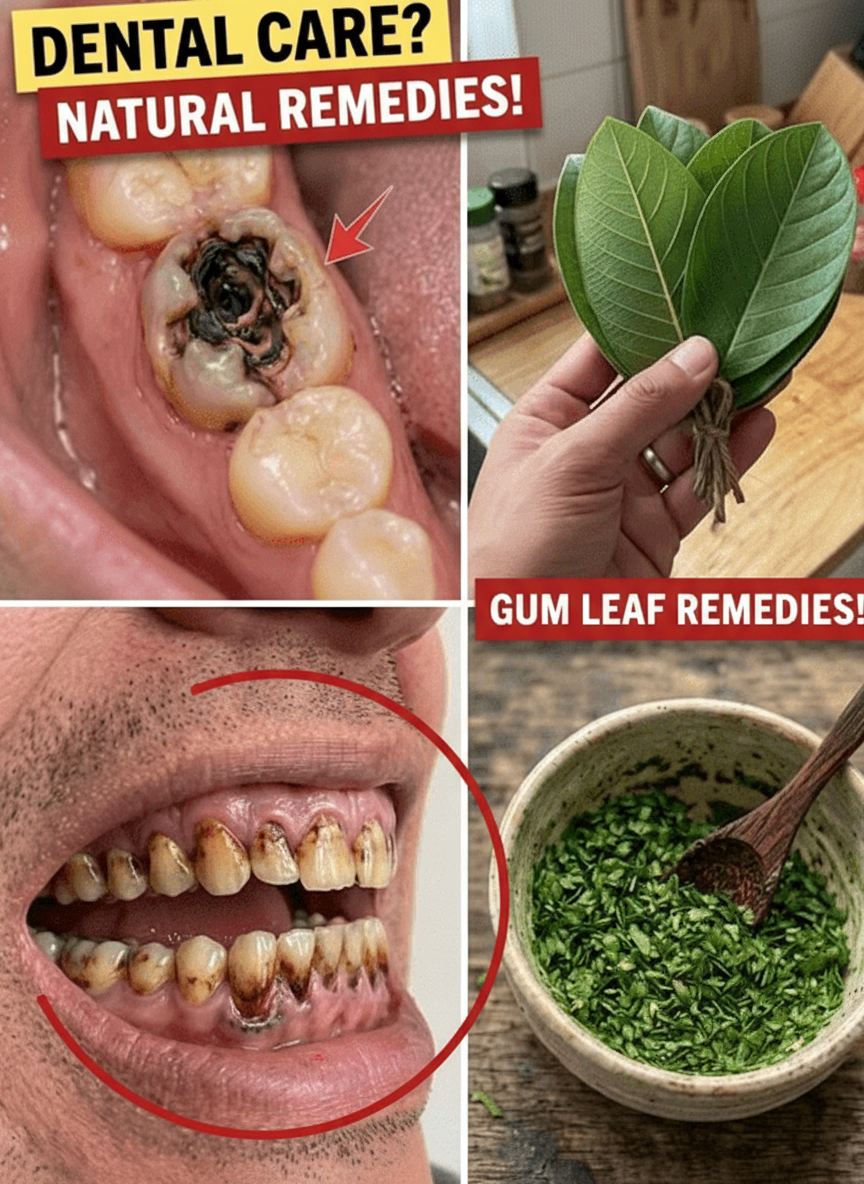
This ancient practice is surprisingly straightforward. In various regions, people slowly chew clean, fresh guava leaves for a few minutes before spitting them out.
The gentle act of chewing can help stimulate saliva production. Saliva is a natural defender of oral health, aiding in washing away food particles and neutralizing harmful acids in the mouth. Additionally, guava leaves possess a slightly astringent taste, which some find contributes to a cleaner mouth feel.
Precautions for Chewing:
- Always wash leaves thoroughly before use.
- Opt for young, clean leaves.
- Avoid swallowing large quantities of the leaf material.
- Discontinue use immediately if any irritation occurs.
The primary aim here is to naturally support saliva flow and enhance overall oral freshness, ideally combined with your daily brushing routine.
Habit 3: Guava Leaf Paste for Occasional Gum Care
While less common, crushing fresh guava leaves into a soft paste for occasional gum application is another traditional method. Some people gently apply a small amount to their gums before rinsing.
Simple Preparation:
- Wash several fresh guava leaves.
- Crush them using a mortar and pestle or the back of a spoon.
- Add a few drops of clean water to create a soft, green paste.
- Gently rub a small amount of paste onto your gums for a short period, then rinse thoroughly with water.
Traditional health practices suggest that the plant compounds in guava leaves may offer comfort to gums when used occasionally. However, like all traditional remedies, this should never replace professional dental treatment or advice from your dentist. Consistency in modern oral care remains paramount.
Remember, these traditional guava leaf habits are intended as supportive measures to enhance your daily oral hygiene. They are not a cure for dental diseases and should always be used in conjunction with regular brushing, flossing, and professional dental check-ups. Consult your dentist before incorporating new practices, especially if you have existing dental concerns.