 By admin
 Waking up with eyes feeling like sandpaper and a mouth so dry it’s hard to speak isn’t just a sign of a bad night. These frustrating experiences often disrupt your work, conversations, and even the simple joy of a meal, leaving you exhausted and self-conscious. For thousands, these persistent issues signal an autoimmune process where the body’s natural moisture production is compromised. Understanding these signs is the first step toward clarity, especially when you see how these key indicators connect in ways often overlooked.
What Is Sjögren’s Syndrome?
Sjögren’s syndrome is an autoimmune condition where the immune system mistakenly attacks the glands responsible for producing moisture, primarily in the eyes and mouth. While reduced tear and saliva production are its hallmarks, its effects can be far-reaching. Primarily affecting women over 40, though anyone can develop it, Sjögren’s often co-occurs with other autoimmune issues. Symptoms vary widely in intensity and can fluctuate, making early awareness crucial. Many individuals live with these signs for years before recognizing them as part of a larger picture.
The Signs Your Body May Be Trying to Tell You Something
These symptoms often emerge gradually. Recognizing their patterns early can empower you to have more informed discussions with your healthcare provider. Let’s explore the key indicators:
-
Dry Eyes That Feel Gritty or Burning
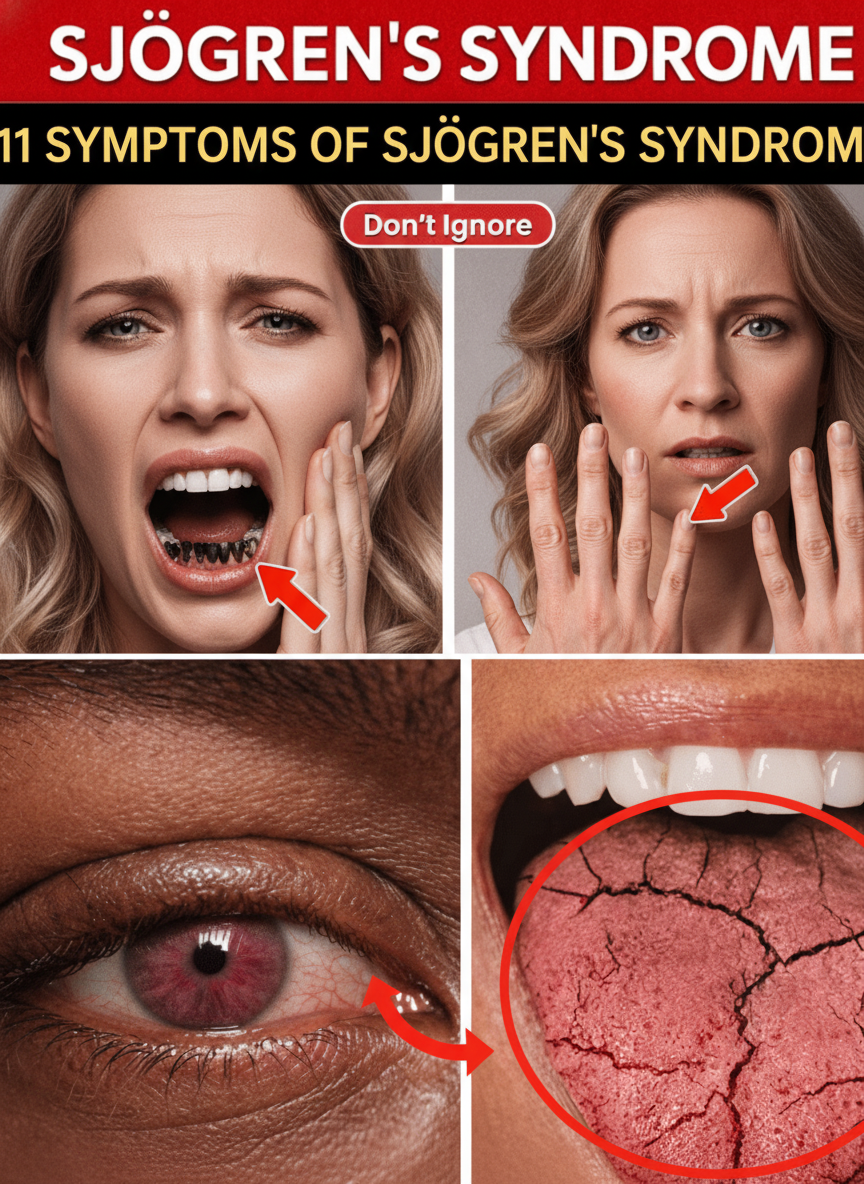
Your eyes may burn, itch, or feel as if sand is trapped inside, even without environmental irritants. Vision can temporarily blur, and bright lights may become uncomfortable. This occurs because tear glands aren’t producing sufficient quality moisture, making daily tasks like driving or computer work a constant struggle for focus and energy.
-
Dry Mouth That Makes Everyday Tasks Difficult
Often described as a mouth full of cotton, this dryness makes swallowing food an effort, speaking clearly challenging, and can wake you at night needing water. Reduced saliva not only causes discomfort but also compromises the natural protection for your teeth and gums, potentially leading to other oral health issues.
-
Persistent Fatigue That Rest Doesn’t Fix
Even after adequate sleep, you might feel profoundly drained, as if your energy battery never fully recharges. This pervasive fatigue is a common complaint beyond dryness, making simple chores exhausting and impacting mood and motivation. This persistent tiredness is often linked to the body’s ongoing immune activity.
-
Aching Joints and Muscles
Stiffness or pain in joints like fingers, knees, or shoulders can appear without obvious injury, often worsening in the morning or after activity. This isn’t normal aging for everyone and can subtly limit daily routines, making tasks like opening jars or typing comfortably a struggle.
-
Changes in Finger Color or Sensation (Raynaud’s Phenomenon)
Fingers turning white, blue, or purple in response to cold or stress, often followed by numbness or tingling, is a striking visual sign. While not exclusive to Sjögren’s, it frequently accompanies the condition and often prompts individuals to wonder if a systemic issue is at play.
-
Swollen or Tender Areas Near the Jaw
Salivary glands can become enlarged or sensitive, particularly after eating, causing puffiness or discomfort around the ears or under the jaw. This swelling may come and go, but when combined with dry mouth, it forms a noticeable and persistent pattern, signaling that something feels amiss.
-
A Cracked or Dry Tongue
Your tongue might appear red, fissured, or feel rough and painful. Taste can become dull, and irritation can make spicy or acidic foods unbearable. This visual change is a clear indicator of reduced moisture in the mouth.