 By admin
 Baking Soda for Wrinkles: Separating Fact from Viral Fiction
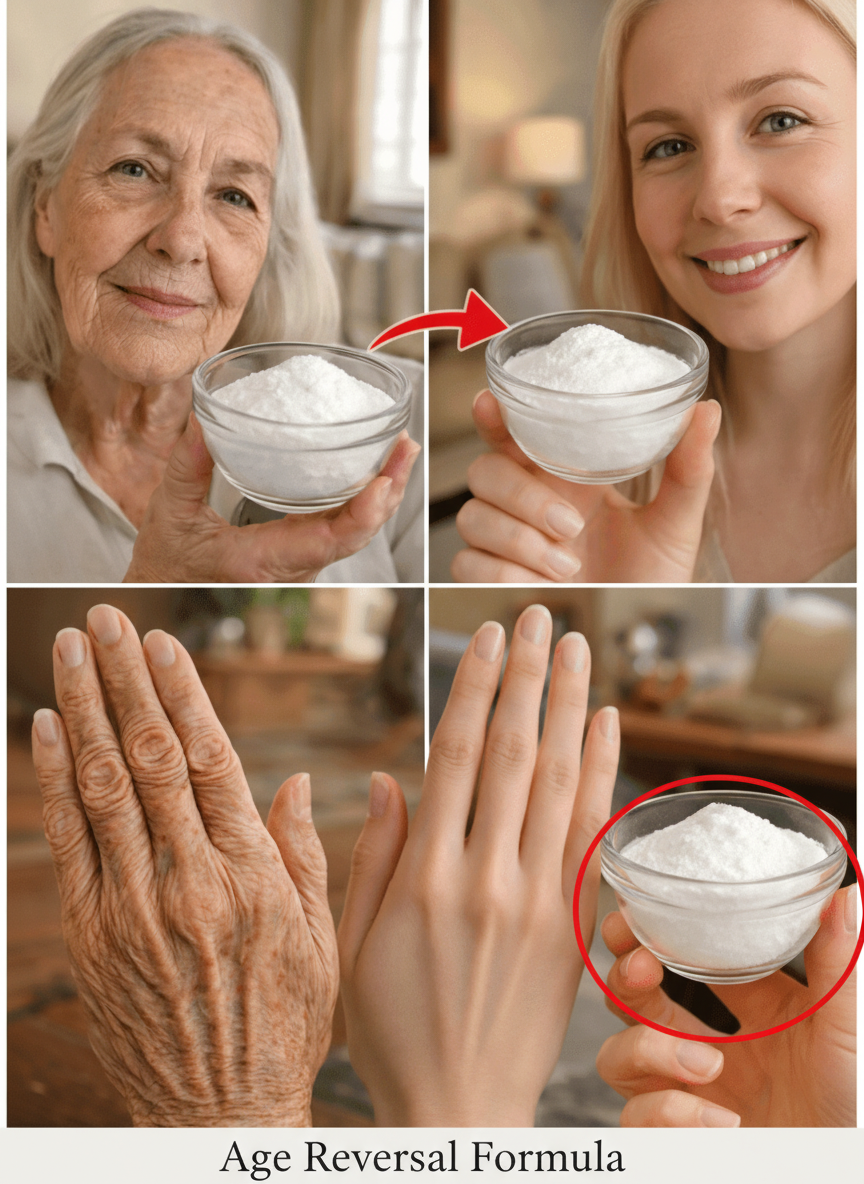
You’ve likely stumbled upon compelling viral videos and posts touting baking soda as a miraculous, instant wrinkle eraser. Claims of deep lines, crow’s feet, and sagging skin vanishing in just 10 minutes – even for those in their 70s – are often accompanied by dramatic before-and-after photos. But let’s set the record straight: baking soda is NOT a magic wand for wrinkles.
It cannot reverse or eliminate age-related wrinkles, which stem from the loss of collagen, elastin, and subcutaneous fat. True wrinkle reduction requires consistent, long-term skincare, or professional interventions like retinoids, lasers, fillers, or microneedling.
What Baking Soda Actually Does (Temporarily)
The convincing visuals you see are due to baking soda’s immediate, surface-level effects. Here’s what truly happens within those 10 minutes:
- Temporary Skin Tightening: Baking soda’s high pH (alkaline) temporarily disrupts the skin’s acid mantle and causes mild protein denaturation on the surface, similar to the fleeting tightening effect of an egg white mask.
- Mild Physical Exfoliation: Its fine abrasive texture gently removes dead surface skin cells, making the skin appear instantly smoother and more even.
- Drying Effect: It reduces surface oiliness and puffiness, leading to a temporary appearance of tighter, less “saggy” skin for a few hours.
- Surface Dehydration: The top layer of skin can become mildly dehydrated, temporarily minimizing the look of fine lines and pores.
These combined effects create the illusion of “erased wrinkles” in immediate post-rinse photos or videos, especially when aided by good lighting and clever angles. However, once the skin rehydrates (typically within 1-4 hours), these temporary effects completely fade.
Realistic Expectations: What You Can (and Can’t) Achieve
Understanding the actual impact of baking soda on your skin is crucial:
- Immediately (0-2 hours after use): Expect skin to look temporarily tighter, smoother, and less oily. Pores may appear smaller, and fine dehydration lines less visible.
- After 1-2 weeks (3-4 times/week): You might notice mild improvements in skin texture and brightness due to regular, gentle surface exfoliation.
- After 4-8 weeks: No significant reduction in deep wrinkles or sagging will occur. However, skin might feel softer and look more refined from consistent surface renewal.
Baking soda will NOT:
- Stimulate new collagen or elastin production.
- Lift sagging skin.
- Reduce deep dynamic wrinkles (e.g., forehead lines, crow’s feet).
- Provide permanent or long-lasting wrinkle reduction.
Safe Ways to Incorporate Baking Soda into Your Skincare (If You Choose To)
If you’re curious to try baking soda for its temporary smoothing effects, proceed with extreme caution and moderation. Overuse can strip your skin’s protective barrier, leading to increased sensitivity, dryness, and irritation.
Important Rule: Never use it daily. Limit application to a maximum of 2–3 times per week.
Gentle 2-3 Minute Mask Recipe:
- ½–1 level teaspoon pure baking soda
- 1–2 teaspoons water or rosewater (mix into a thin, non-gritty paste)
- Optional additions: ½ teaspoon honey (for soothing) or 2–3 drops aloe vera gel (for hydration)
How to Apply:
- Cleanse your face thoroughly and pat it dry (do not apply on completely dry skin).
- Spread a very thin, even layer of the paste, carefully avoiding the delicate eye area, lips, and nostrils.
- Leave on for a maximum of 1–2 minutes. A mild tingling sensation is normal, but if you experience any burning, remove it immediately.
- Rinse thoroughly with cool water.
- Follow up with a generous application of moisturizer and a broad-spectrum SPF 30+ sunscreen, as baking soda can increase sun sensitivity.
- Discontinue use immediately if you notice redness, burning, peeling, or any signs of irritation.
More Effective & Safer Alternatives for Real Anti-Aging Results
For genuine, long-term wrinkle reduction and improved skin firmness, focus on scientifically proven methods:
- Daily Broad-Spectrum SPF 50+: Your most powerful tool. Prevents 80-90% of further photoaging.
- Nightly Retinoid: Incorporate retinol (0.3–1%) or prescription tretinoin to stimulate collagen production over months.
- Vitamin C Serum (15–20%) in the Morning: Provides antioxidant protection and brightens skin tone.
- Peptide Serums: Ingredients like Matrixyl or copper peptides can support collagen and elastin synthesis.
- Weekly Gentle Exfoliation: Use alpha hydroxy acids (e.g., lactic acid 5–10%) for consistent cell turnover without harshness.
- Consistent Hydration: Layer hyaluronic acid serum with a ceramide-rich moisturizer to maintain skin barrier health.
- Sleep Position: Sleeping on your back can help reduce “sleep wrinkles.”
The Bottom Line
A 10-minute baking soda mask offers temporary skin tightening and smoothing, making it suitable for a quick, “photo-ready” boost. However, it does not erase wrinkles or reverse the aging process. In fact, overuse can lead to long-term skin barrier damage.
For lasting improvements in wrinkles and skin firmness, especially after age 50 or 70, prioritize daily sun protection, effective retinoids, potent antioxidants, and consistent hydration. These proven strategies offer real results, unlike fleeting kitchen hacks.
Quick Patch Test (If You’re Curious)
Tonight, mix ½ tsp baking soda with 1–2 tsp water to form a thin paste. Apply a very thin layer to a small, inconspicuous area (like your jawline or a patch on your forehead) for only 1 minute. Rinse thoroughly and moisturize. Take photos in natural light before and 30 minutes after. If no irritation occurs, you may consider using it up to 2–3 times per week max, following the instructions above.
Disclaimer: This article is for informational purposes only and should not replace professional medical or dermatological advice. Always consult a healthcare professional for skin concerns.