 By admin
 Many people experience subtle body changes, often dismissing them as normal parts of life or aging. However, persistent itching, unexplained swelling, or unusual rashes can be more significant than they seem. These signals might be your kidneys trying to communicate something vital about their function. Learning to recognize them early can help you support your health before conditions worsen. The interconnectedness of these seemingly disparate symptoms often surprises even seasoned health observers.
Your kidneys work tirelessly, filtering waste from your blood and maintaining fluid balance. When their function declines, waste can gradually build up, leading to changes that initially feel random or unrelated. Research from the National Kidney Foundation shows that millions of adults notice these clues only after they become more obvious. The good news? Early awareness can help you stay ahead. What’s even more surprising is how many unusual signs appear in unexpected places, such as your skin or feet.
Skin and Itch-Related Signs You Shouldn’t Ignore
Your skin often reflects your internal health. When kidneys struggle to remove toxins, it can manifest in surprising ways. Here are some commonly overlooked skin issues:
- Intense itching or crawling sensation: This isn’t imaginary; waste buildup can irritate nerves and skin.
- Unexplained red rashes: Patchy, hot, or irritated areas, often on the back or shoulders.
- Dry, scaly patches that won’t go away: Persistent roughness and flakiness, even with moisturizing.
- Dark spots or discoloration: Brownish or reddish marks, particularly on the back or neck, that appear to spread.
- Yellowish or brownish skin tone: A subtle shift in complexion, often noticed by others first.
Mayo Clinic reports indicate these skin changes affect many individuals as kidney function adjusts.
Swelling and Fluid Balance Changes That Stand Out
Fluid retention is a clear indicator, yet often attributed to salt intake or prolonged standing. The swelling often starts subtly and progresses:
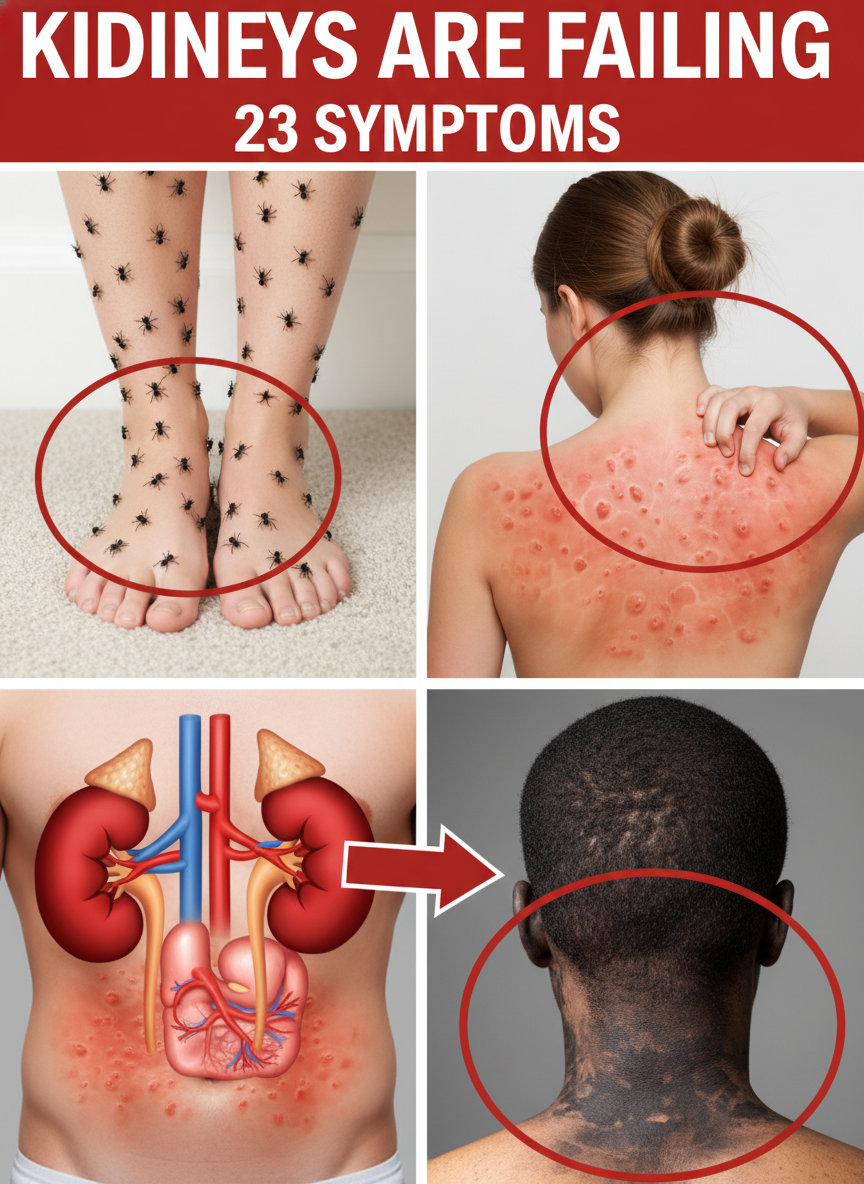
- Puffy ankles and feet: Shoes feel tighter by evening; socks leave deep indentations.
- Swelling in the legs: Noticeable when pressing on the skin, leaving an indentation.
- Puffiness around the eyes: Especially upon waking, even after adequate sleep.
- Sudden weight gain from fluid: Clothes fit differently without changes in diet.
The National Kidney Foundation explains this occurs because kidneys become less efficient at removing excess fluid.
Urination Patterns That Might Surprise You
Changes in bathroom habits are among the earliest clues, yet easily dismissed. Some are more unusual than you might think:
- Foamy or bubbly urine: Resembles a cappuccino rather than clear urine.
- More frequent night trips: Waking up two or three times disrupts sleep.
- Less urine than usual: Or a darker, more concentrated color.
- Blood in the urine: Even tiny amounts that tint it pink or brown.
- Unusual urine smell: Sometimes metallic or ammonia-like.
Reliable health organizations like Mayo Clinic frequently describe these patterns.
Energy, Digestion, and Other Daily Clues
Fatigue and stomach issues are often blamed on stress or diet, but they can be directly linked to kidney workload. Here are more unexpected signs:
- Constant tiredness: Feeling drained even after sufficient rest.
- Trouble concentrating or mental fog: Simple tasks require more effort.
- Nausea or loss of appetite: Food becomes unappealing.
- Muscle cramps at night: Particularly in the legs or feet.
- Shortness of breath: Occurs even during light activity.
- Metallic taste in your mouth: Makes food taste off.
- Ammonia-like breath: Often noticeable to others but not yourself.
- Restless legs: An uncontrollable urge to move them constantly at rest.
- Trouble sleeping: Despite feeling exhausted.
- Lower back discomfort: Near the kidney area, unrelated to exercise.
- High blood pressure that’s hard to manage: New or worsening readings.
- Unexplained weight changes: Often weight loss without trying.
- Feeling cold more easily: Even in warm environments.
”
}
“`