 By admin
 Lemon & Vaseline for Skin: Unpacking a Popular Yet Misunderstood Home Remedy
We’ve all been there. A glance in the mirror reveals unwelcome dark spots, uneven tone, or a dull complexion that makes us feel older than our years. The quest for brighter, fresher skin often leads many to seek simple, affordable home remedies, bypassing expensive products. This is precisely where the idea of combining lemon and Vaseline for skincare has gained traction. However, before you consider this trend, there are crucial facts most people overlook.
Understanding the science behind these ingredients is key to avoiding potential harm, especially for sensitive or aging skin. Let’s delve into why these two common household items have become skincare sensations and, more importantly, how to approach them safely.
The Allure of Lemon in Skincare
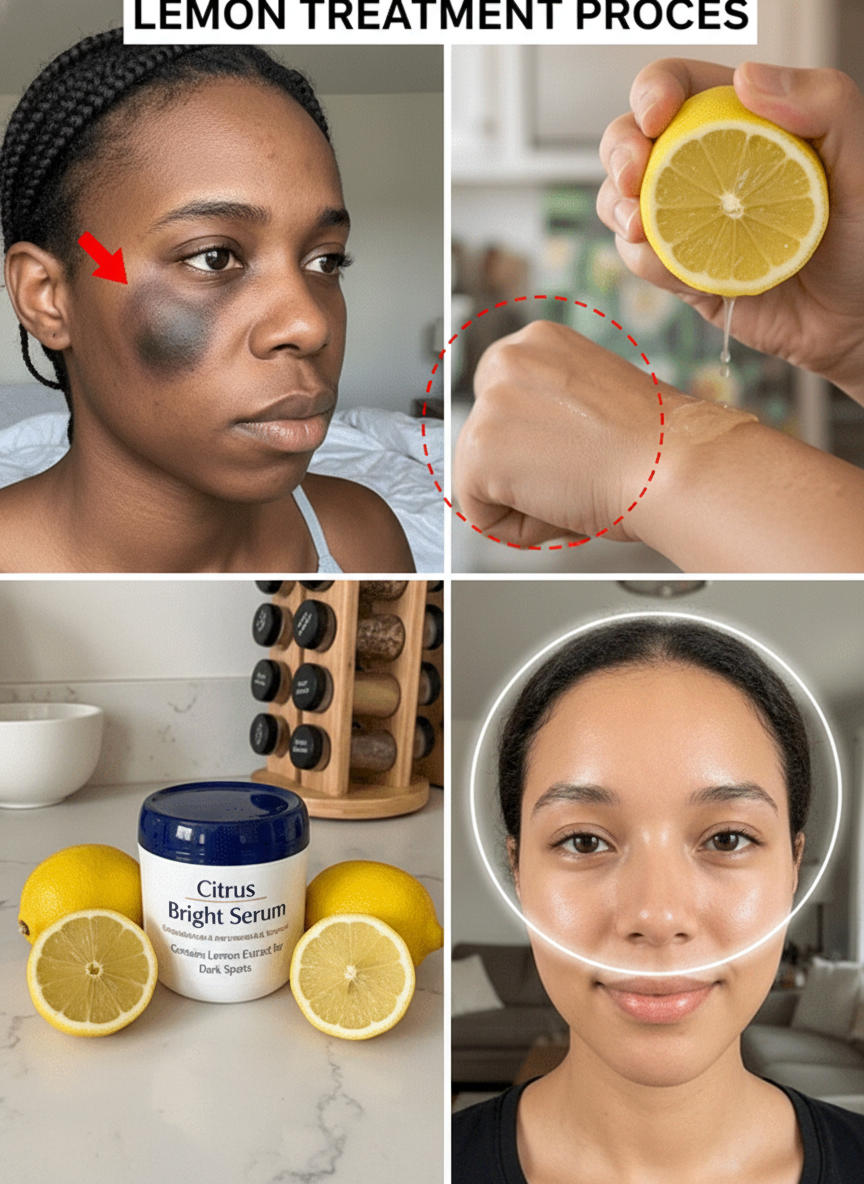
For generations, lemon has been a staple in DIY beauty routines. Its natural acidity and high Vitamin C content lead many to believe it can visibly brighten and refresh the skin. Online, images and videos showcasing lemon juice applied to the face quickly go viral, largely due to its accessibility and low cost.
However, the full story is more nuanced. While Vitamin C is a powerful antioxidant, protecting skin from environmental stressors like pollution and sun damage – a reason it’s a cornerstone in professional skincare products – raw lemon juice is fundamentally different from a carefully formulated serum.
Here’s the critical distinction often forgotten:
- High Acidity: Raw lemon juice has a pH of approximately 2. This is significantly more acidic than the skin’s natural pH, which typically ranges from 4.5 to 5.5.
- Potential for Irritation: Applying such a highly acidic substance directly to the face can disrupt the skin’s delicate barrier, leading to:
- Redness
- Dry patches
- Temporary irritation
- Increased sensitivity to sunlight (photosensitivity)
Despite these risks, some individuals still choose to use diluted lemon juice cautiously as part of a gentle routine. The emphasis, however, is on understanding how to use it safely and sparingly.
Why Vaseline Joins the Mix
Vaseline, or petroleum jelly, has a long history in skincare, recognized by dermatologists as an ‘occlusive’ moisturizer. This means it forms a protective barrier on the skin’s surface, effectively sealing in moisture.
Its importance grows with age. As skin matures, it naturally loses moisture more rapidly, and its outer barrier thins, becoming less efficient at retaining hydration. This often manifests as dryness, fine lines, and a rougher texture. Vaseline counteracts this by creating a thin, protective layer that significantly reduces trans-epidermal water loss, thereby supporting the skin barrier. Dermatologists frequently recommend it for intensely dry areas like lips, elbows, and heels.
The internet trend often sees lemon mixed with Vaseline, with the belief that lemon brightens while Vaseline prevents the dryness lemon might cause. Yet, simply combining them without understanding their properties can paradoxically lead to more irritation than benefits.
A Gentle, Safer Approach to Lemon and Vaseline
For anyone considering natural ingredients, especially those with mature or sensitive skin, caution and gradual introduction are paramount. Here’s a dermatologist-recommended approach for testing any new skincare idea:
- Patch Test First: Before applying to your face, test a tiny amount of the diluted mixture behind your ear or on the inside of your wrist. Wait 24 hours to check for any signs of irritation.
- Always Dilute Lemon: Never apply concentrated lemon juice directly to your face. If you choose to use it, mix a few drops with water to significantly reduce its acidity.
- Use Only Occasionally: Natural acids, even diluted, should not be used daily. Once or twice per week is generally more than sufficient to avoid over-exfoliation and irritation.
- Apply Moisturizer Afterward: This is where Vaseline can be beneficial. After cleansing and rinsing, a very thin layer of Vaseline can help lock in moisture overnight, supporting the skin’s barrier.
- Avoid Immediate Sun Exposure: Lemon can heighten skin sensitivity to sunlight. It is always best to use any lemon-containing mixture at night, followed by sunscreen the next morning.
Ingredient Roles & Cautions: A Quick Comparison
| Ingredient | Main Role | Important Caution |
|---|---|---|
| Lemon Juice | Contains natural acids and Vitamin C | Can irritate sensitive skin if undiluted; increases photosensitivity. |
| Vaseline | Locks in moisture and protects skin barrier | Should be applied in a very thin layer to avoid pore clogging for some skin types. |