 By admin
 After a long day, you kick off your shoes and notice something amiss: swollen ankles, tight skin, or an inexplicable tingling. Many dismiss these as mere fatigue or signs of aging. However, your feet are often the body’s earliest warning system, quietly signaling deeper health issues. Ignoring these subtle clues can allow minor concerns to escalate into significant problems. The good news? Understanding these messages empowers you to act sooner and protect your well-being. By the end, you’ll grasp why a simple daily habit can be your first line of defense in monitoring these vital signs.
Diabetes: The Sweet Spot for Nerve Damage
Long before a diabetes diagnosis, many people experience unusual sensations in their feet. Sustained high blood sugar can damage nerves, a condition known as diabetic neuropathy. Early indicators often include:
- Tingling or a “pins and needles” sensation.
- Reduced sensitivity to pain or temperature.
- Gradual numbness in the toes or soles.
Initially mild, these symptoms are crucial because desensitized feet can lead to unnoticed cuts or blisters, significantly increasing infection risk. This is precisely why regular foot checks are a cornerstone of diabetes management.
Kidney Health: When Swelling Signals Trouble
Do your socks leave deep indentations around your ankles by evening? This might be more than just tiredness. Your kidneys play a vital role in regulating fluid balance. When they struggle to eliminate excess fluid, swelling (edema) can appear in the lower legs and feet. Look out for:
- Noticeably swollen feet or ankles.
- Skin that appears shiny or stretched.
- Puffiness that worsens as the day progresses.
While occasional swelling after prolonged standing is normal, persistent, regular swelling warrants a conversation with a healthcare professional.
Heart Health: The Circulation Connection
Efficient circulation is key to delivering oxygen-rich blood throughout your body. When this flow falters, your feet can offer subtle hints. Some common observations include:
- Feet that feel unusually cold to the touch.
- Skin with a bluish or purplish tint.
- Weak or absent pulses in the feet.
These changes indicate reduced blood flow to the lower limbs. What’s often overlooked is their gradual onset, frequently mistaken for normal aging. Recognizing these signals can prompt a timely medical evaluation.
Rheumatoid Arthritis: Joint Pain’s Early Foothold
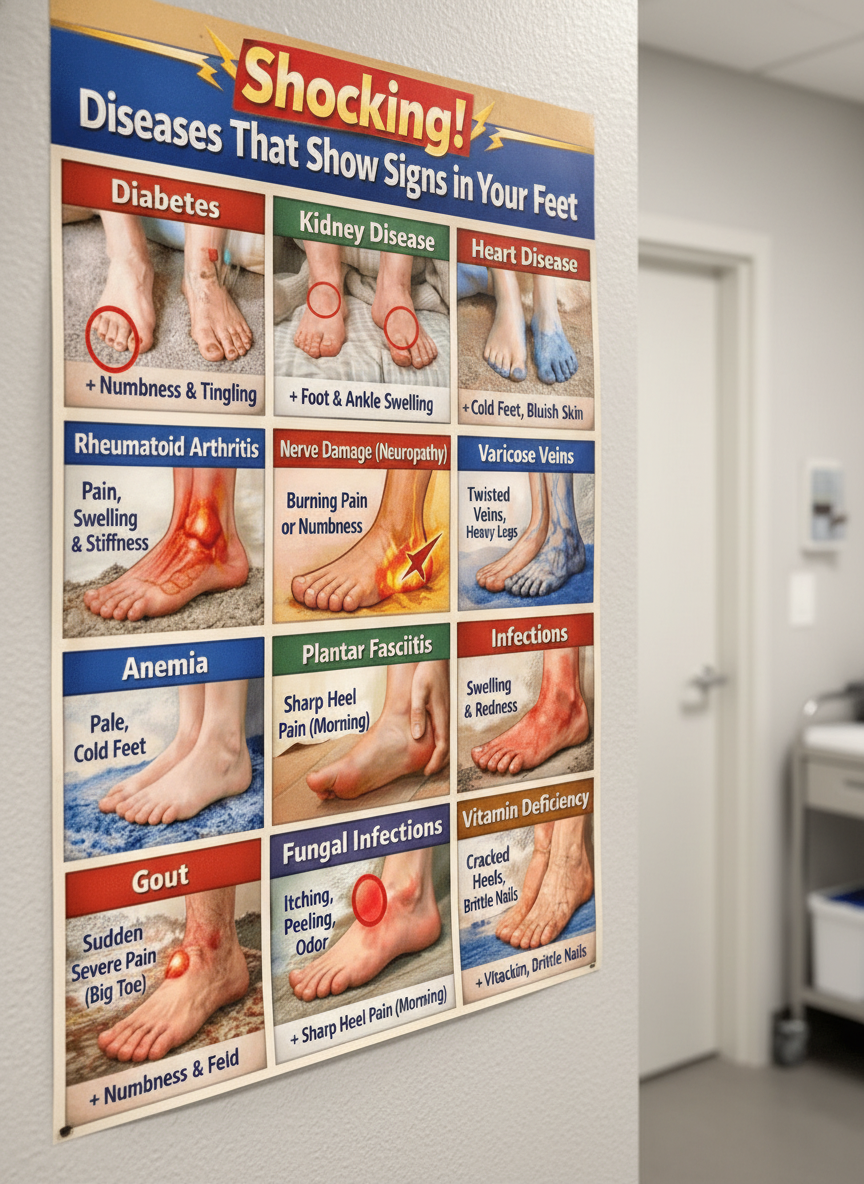
Rheumatoid arthritis (RA), an autoimmune condition, frequently targets smaller joints first – and your feet are often on the front lines. Many describe:
- Pain during walking.
- Swelling around the toe joints.
- Morning stiffness that improves later in the day.
Intriguingly, foot pain can precede symptoms in other joints. Ignoring early stiffness can lead to reduced mobility over time, underscoring the importance of early awareness.
Beyond Diabetes: Other Causes of Nerve Pain
Nerve-related symptoms in the feet aren’t exclusively tied to blood sugar. Peripheral nerve irritation can stem from nutritional deficiencies, excessive alcohol consumption, or nerve compression. Typical sensations include:
- A burning pain in the feet.
- Sudden, electric shock-like feelings.
- Numbness that intensifies at night.
Nighttime symptoms are common because, during rest, subtle nerve signals become more pronounced. What felt minor during the day can become significantly stronger in the quiet of the evening.
Varicose Veins: More Than Just a Cosmetic Concern
Have you noticed twisted, prominent veins appearing around your feet or lower legs? Varicose veins develop when tiny valves within the veins weaken, allowing blood to pool. This can lead to:
- Visible, bulging veins.
- A heavy, aching sensation in the legs and feet.
- Swelling, particularly after standing for extended periods.
While often seen as a cosmetic issue, severe varicose veins can indicate underlying circulatory problems and may cause discomfort and other complications.
Your feet are remarkable indicators of your overall health. By paying close attention to changes like persistent swelling, unusual sensations, or skin discoloration, you equip yourself with invaluable early warning signals. Make a habit of regularly inspecting your feet – a simple, yet powerful step towards proactive health management. If you notice any concerning or persistent symptoms, consulting a healthcare professional is always the wisest course of action.