 By admin
 Unveiling the Truth: Why Your Smile Yellows After 50 and Gentle Herbal Paths to Brighter Oral Health
That familiar moment: a family photo, a bright smile from everyone else, and then the quiet realization – your teeth look yellow and dull. Many adults over 50 share this unspoken embarrassment. Years of coffee, tea, tobacco, and certain foods gradually leave stains that even diligent brushing can’t fully erase, leading to a feeling that “my smile looks older than I feel.” But what if there’s a more realistic, gentle approach to maintaining a cleaner-looking smile, one that harnesses everyday habits and thoughtful herbal care?
Why Teeth Often Become More Yellow With Age
If you’re over 40 or 50, tooth discoloration is incredibly common. It’s not a sign you’ve done anything “wrong”; rather, it’s a natural part of aging combined with daily lifestyle factors. Here’s what typically happens:
- Enamel Thins: As we age, the outermost protective layer of our teeth, enamel, gradually thins.
- Dentin Shows Through: Beneath the enamel lies a darker, yellowish layer called dentin. When enamel becomes thinner, the inherent color of the dentin becomes more visible.
Beyond natural wear, certain lifestyle habits significantly contribute to staining over many years. Common culprits include:
- Coffee and black tea
- Red wine
- Tobacco use
- Dark sauces (e.g., soy sauce, balsamic vinegar)
- Certain medications
Dental research consistently shows that chromogens – colored pigments – attach to enamel over time, slowly altering tooth color. While viral posts often promise instant stain removal, the reality is more nuanced. Natural approaches can gradually reduce surface discoloration, but dramatic, overnight results are rarely achievable. Still, some herbal ingredients, when used correctly, can support overall oral hygiene.
Viral “Herbal Whitening” Recipes: What Are People Actually Using?
A quick scroll through social media might reveal numerous “herbal paste” recipes claiming to instantly erase years of stains. These often feature ingredients like:
- Baking soda
- Turmeric
- Coconut oil
- Sage leaves
- Mint or basil
- Activated charcoal
These aren’t magic whitening agents, but some do offer simple oral hygiene benefits:
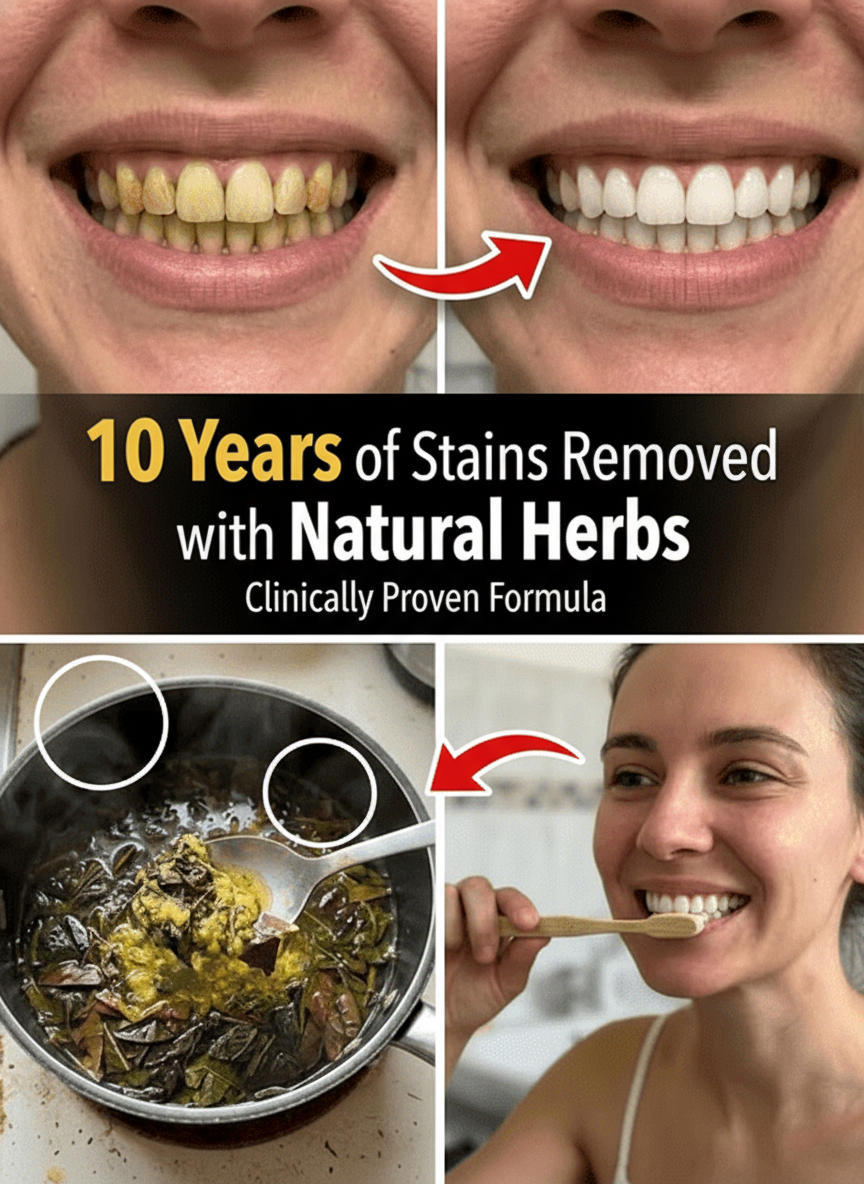
- Baking soda: Its mild abrasiveness can help lift surface stains when used very gently and sparingly.
- Coconut oil: Used in traditional oil pulling, it may help reduce oral bacteria.
- Herbs (sage, mint): Contain plant compounds that can support fresh breath and overall oral cleanliness.
However, dentists frequently caution against aggressive scrubbing or frequent use of abrasive mixtures. Excessive abrasion can wear down enamel, which paradoxically can make teeth appear more yellow as the dentin becomes more exposed. The goal, therefore, isn’t “instant whitening” but rather supporting healthy oral habits that gradually improve the appearance of your teeth.
Everyday Habits That Quietly Darken Teeth
Many of us don’t realize how small, daily habits accumulate over years, slowly darkening our smiles. Over a decade or two, these seemingly minor exposures add up significantly:
- Frequent coffee/tea drinking: Dark pigments from these beverages readily attach to enamel.
- Smoking: Nicotine and tar are notorious for creating stubborn yellow or brown stains.
- Poor brushing technique: Inadequate brushing allows plaque to build up, trapping pigments and making stains more prominent.
- Dry mouth: Reduced saliva flow means fewer natural rinses to wash away stain particles throughout the day.
- Sugary snacks: While not direct stainers, sugars feed bacteria that produce acids, weakening enamel and potentially making it more susceptible to staining.
The encouraging news? Even minor adjustments can lead to visible improvements over time. Dental professionals often emphasize three core pillars for a brighter smile:
- Consistent oral hygiene
- Mindful dietary choices
- Gentle stain management
A Gentle Herbal Oral Care Routine You Can Try at Home
For those seeking a more natural approach to oral care, here’s a simple routine that dental hygienists often support. Remember, the focus is on maintenance and gradual enhancement, not instant transformation:
- Brush with a soft brush twice daily: Use a fluoride or dentist-recommended toothpaste. Brush gently for two minutes, ensuring you cover all surfaces.
- Rinse after staining drinks: After consuming coffee, tea, or other dark beverages, a quick rinse with plain water can significantly reduce pigment buildup on your enamel.
- Consider supportive herbal elements: While abrasive DIY pastes are discouraged, some people find benefit in incorporating gentle herbal elements for overall oral health. This could include using an alcohol-free herbal mouthwash for fresh breath and bacterial control, or occasionally using a very diluted, mild rinse (e.g., a pinch of baking soda in water) for gentle surface stain removal, always with extreme caution to avoid abrasion.