 By admin
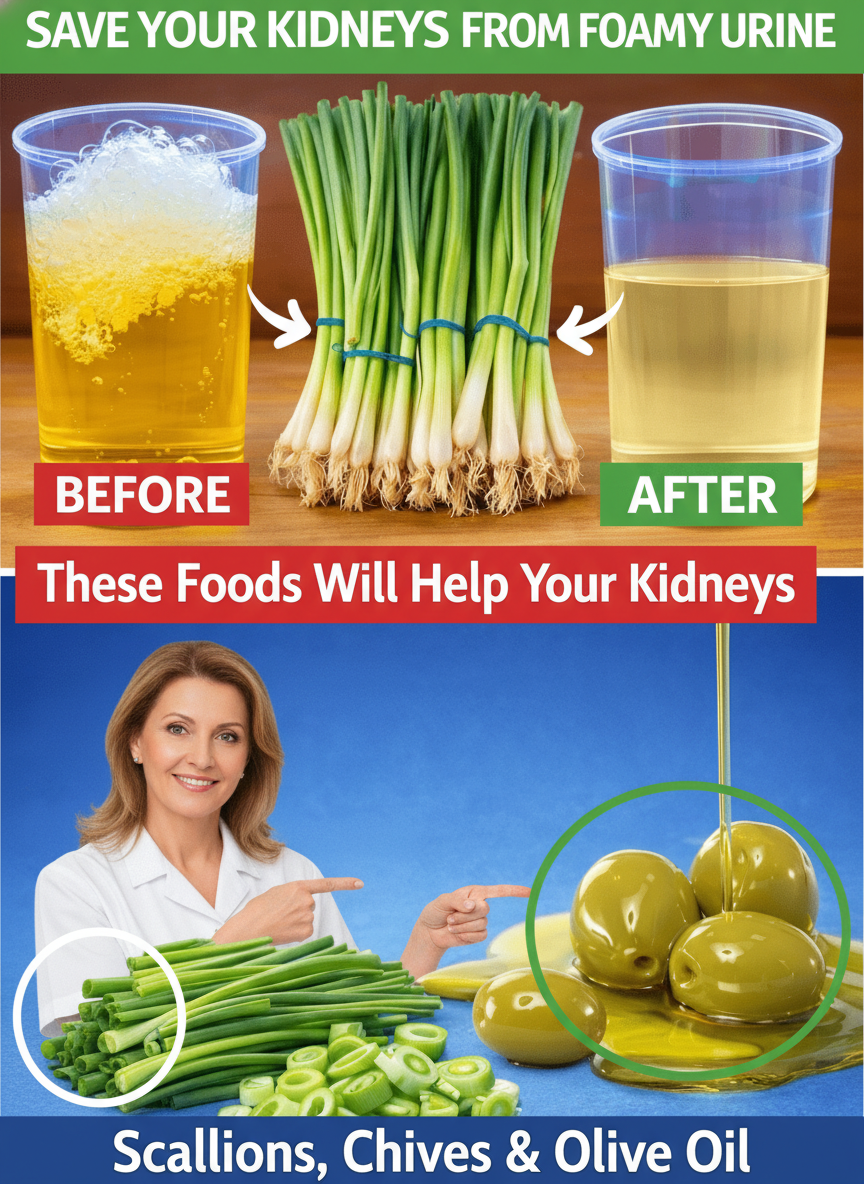
 Spotting foamy urine can be unsettling, often sparking questions about kidney health and how well your body is managing proteins and fluids. While this subtle change can be concerning, the good news is that incorporating certain nutrient-dense superfoods into your diet can play a significant role in supporting healthy kidney function.
Why Foamy Urine Demands Attention
Foamy urine isn’t always a cause for alarm; it can result from dehydration, a strong urine stream, or even cleaning agents in the toilet bowl. However, if it persists day after day, it warrants closer investigation as it may indicate elevated protein levels in your urine. The National Kidney Foundation advises consulting your doctor for a proper evaluation if you notice persistent changes. In the meantime, adopting supportive eating habits is a practical way to care for your kidneys.
How Nutrition Supports Kidney Wellness
Your kidneys work tirelessly to filter waste, making it crucial to provide them with nutrient-rich building blocks. Foods abundant in antioxidants, healthy fats, and fiber can help reduce inflammation and maintain overall balance. Kidney health organizations highlight that plant-forward diets and specific oils often align well with renal-friendly eating patterns. The superfoods listed below are chosen for being naturally low in minerals often monitored in kidney diets, while packed with compounds beneficial for kidney support.
Top Superfoods for Kidney Health
-
Spring Onions (Green Onions)
These mild, crunchy vegetables are incredibly kidney-friendly, being naturally low in potassium and phosphorus. They offer antioxidants like quercetin, linked to reduced oxidative stress, and add fresh flavor without extra sodium. Slice them into salads, sprinkle over stir-fries, or mix into omelets.
-
Extra Virgin Olive Oil
This golden staple is rich in monounsaturated fats and polyphenols, which may help protect against inflammation. It contains zero phosphorus and is excellent for cooking or as a finishing oil. Drizzle over roasted vegetables, use in salad dressings, or gently sauté greens.
-
Blueberries
Bursting with anthocyanins, these tiny berries are celebrated for their powerful antioxidant properties. They are low in sodium and provide fiber that supports steady blood sugar levels, which is beneficial for kidney health. Add them to yogurt, blend into smoothies, or enjoy them frozen.
-
Cauliflower
Versatile and mild, cauliflower provides vitamin C and compounds that assist the body in managing everyday toxins. When properly cooked, it’s low in potassium and makes an excellent substitute for higher-mineral sides like potatoes. Roast with olive oil and herbs, or mash for a comforting meal base.
-
Cabbage
This humble vegetable is packed with phytochemicals and vitamin K, while remaining gentle on mineral counts. It may also help maintain healthy blood sugar levels. Shred it raw for coleslaw, simmer in soups, or quickly stir-fry with spring onions for added crunch.
-
Red Bell Peppers
Bright and crisp, red bell peppers supply vitamins A and C, plus lycopene, without overloading potassium. They add natural sweetness and color to dishes while supporting immune function. Slice them raw for snacks, stuff them, or grill with olive oil for simple sides.
-
Garlic
Beyond its bold taste, garlic contains sulfur compounds with anti-inflammatory properties. It serves as an excellent salt replacement, adding depth to any recipe. Crush fresh cloves into marinades, roast whole bulbs, or mince into dips – a flavorful way to reduce sodium intake.
-
Apples
With their rich fiber content and natural antioxidants, apples are a classic choice for supporting overall health, including kidney wellness.