 By admin
 Skin’s Silent Signals: 8 High Blood Sugar Warnings Older Adults Should Not Ignore
Imagine noticing a subtle change on your skin – a dark patch, new bumps, or a cut that just won’t heal. It’s easy to dismiss these as normal signs of aging or minor irritations. Yet, your skin, the body’s largest organ, often acts as an early warning system, quietly signaling deeper health issues, including elevated blood sugar levels. For older adults, recognizing these subtle cues can be crucial for early intervention and better health management. Let’s explore eight skin signs that warrant your attention.
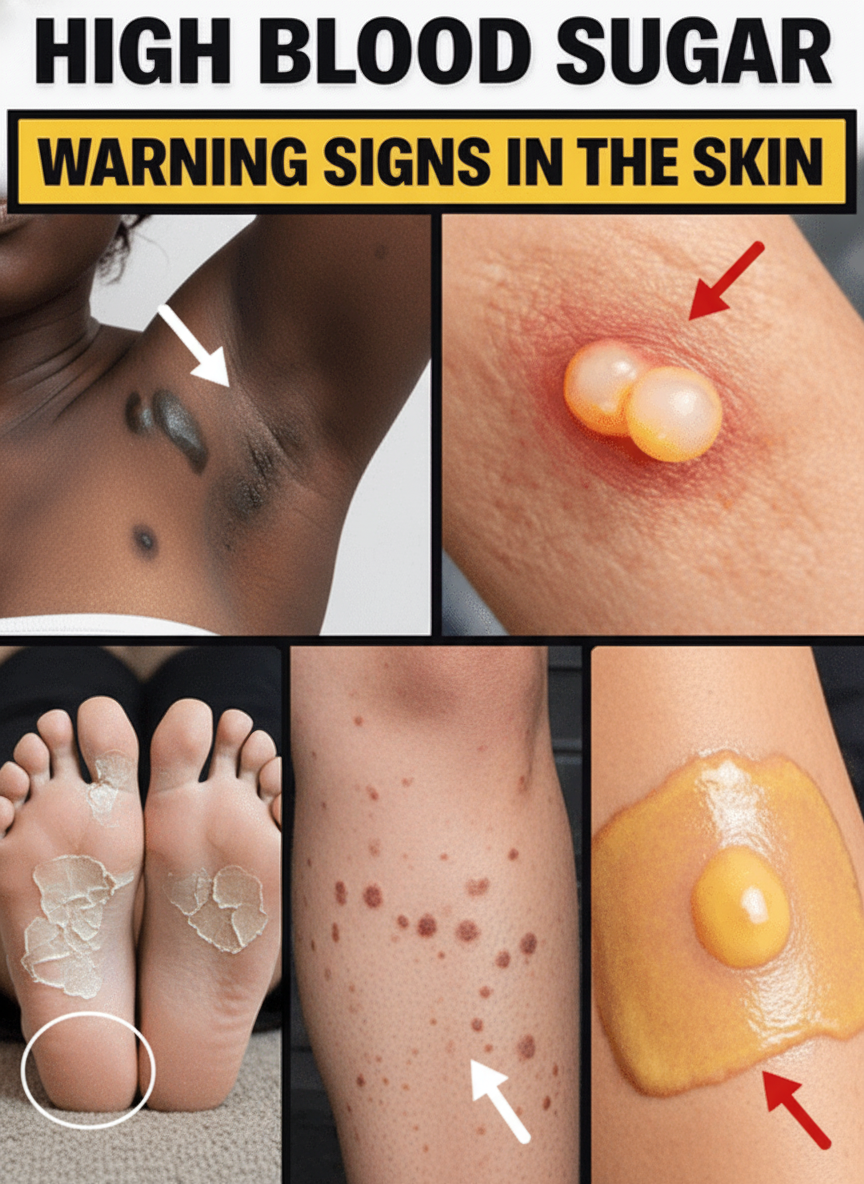
1. Dark Velvety Patches (Acanthosis Nigricans)
Often appearing around the neck, armpits, or groin, these dark, thick, velvety patches are more than just dirt or aging skin. Acanthosis nigricans is a common indicator that your body may be struggling with insulin resistance. Key characteristics include:
- Skin that looks and feels darker and thicker.
- A soft, slightly velvety texture.
- Typically found in skin folds.
This sign can sometimes emerge years before other noticeable health symptoms, making it a critical early alert.
2. Sudden Increase in Skin Tags
While a few skin tags are common with age, a sudden proliferation of these small, soft growths, especially around the neck, eyelids, or armpits, can be a red flag. Researchers link a surge in skin tags to metabolic stress and insulin resistance. Look for:
- Clusters of small, flesh-colored or slightly darker bumps.
- Often painless, but they might catch on clothing.
Their number can increase as blood sugar regulation becomes more challenging.
3. Cuts and Scratches That Heal Slowly
A minor cut taking weeks instead of days to heal is a significant warning. Persistently high blood sugar can impair circulation and the body’s ability to repair tissues efficiently. Watch for:
- Minor cuts remaining red or inflamed for extended periods.
- Scratches that scab repeatedly without fully healing.
- Skin that bruises unusually easily.
Reduced circulation and nerve sensitivity, often affected by high blood sugar, can significantly slow the healing process, particularly on the feet and hands.
4. Frequent Skin Infections
Your skin is your primary protective barrier. When blood sugar levels are consistently high, it creates an environment where bacteria and fungi can thrive, leading to recurrent infections. Older adults might experience:
- Red, swollen areas on the skin.
- Painful bumps or boils.
- Warmth around affected skin areas.
Recurring infections often signal that the immune system is under stress due to elevated blood sugar.
5. Persistent, Unexplained Itching
Chronic itching without an obvious rash can be an early indicator. High blood sugar can lead to dry skin and poor circulation, both of which trigger persistent itching, commonly on the lower legs, back, and forearms. Don’t dismiss this as just dry or aging skin; persistent itching, especially when combined with other signs, warrants medical attention.
6. Yellowish Bumps (Xanthomas)
Some individuals develop small, yellow or waxy bumps known as xanthomas. These can appear on the arms, legs, buttocks, and back. They are frequently associated with high levels of fats in the blood, which can be a consequence of unstable blood sugar control.
7. Shiny, Tight Skin on Hands or Fingers
This condition, sometimes referred to as diabetic skin thickening, involves the skin on the hands becoming unusually tight and shiny. Symptoms may include:
- Difficulty bending fingers.
- Skin that appears waxy or unusually smooth.
- Reduced flexibility in finger joints.
While seemingly minor, this can gradually impact daily activities like gripping objects.
8. Brown Patches on the Lower Legs (Diabetic Dermopathy)
These light to dark brown patches on the shins are often called diabetic dermopathy. They might resemble age spots or bruises but typically appear in clusters. Characteristics include:
- Round or oval patches.
- A slightly scaly surface.
- Usually painless.
Your skin can offer valuable insights into your internal health. For older adults, recognizing these eight subtle skin changes is not just about aesthetics; it’s about listening to your body’s early warnings. If you notice any of these signs, especially in combination, it’s crucial to consult your doctor. Early detection and management of high blood sugar can prevent more serious health complications and help maintain your overall well-being.