 By admin
 Why Certain Vitamin Combinations Affect Your Blood
For many older adults, daily vitamins are a cornerstone of health, diligently consumed with the belief they contribute positively to well-being. Yet, imagine discovering unexplained bruising or prolonged bleeding – symptoms often dismissed as “just aging.” The truth is, sometimes the culprit isn’t age, but rather the subtle, yet powerful, interactions between certain supplements.
As we age, supplementing for heart health, immunity, and bone strength becomes common. While beneficial individually, not all nutrients are harmonious together. Some vitamins directly influence crucial bodily processes like blood clotting, nutrient absorption, and even medication efficacy. When combined, especially in high doses, they can disrupt each other’s functions.
A prime example, frequently highlighted by nutrition experts, is the interaction between Vitamin E and Vitamin K. Both are essential nutrients, harmless on their own. The concern arises when they are consumed together in supplement form, particularly at elevated dosages. Studies indicate that high levels of Vitamin E can impede Vitamin K’s critical role in the blood clotting process. This interference can cause blood to clot more slowly than it should. (Source: Verywell Health)
For seniors, who may already be on various medications or experiencing circulatory changes, this interaction carries amplified significance.
The Critical Duo: Vitamin E and Vitamin K
Understanding Vitamin K
Vitamin K is vital for regulating blood clotting. Insufficient levels can lead to prolonged bleeding even from minor cuts. Beyond clotting, it supports robust bone health and healthy blood vessel function.
Understanding Vitamin E
As a powerful antioxidant, Vitamin E shields cells from oxidative stress and bolsters immune function. Naturally found in foods like nuts, seeds, vegetable oils, and spinach, its role shifts when consumed in large supplemental doses. At high concentrations, Vitamin E can directly influence platelet behavior in the blood.
Why Their Combination Matters
Research consistently shows that high doses of Vitamin E can diminish the activity of Vitamin K within the body. This interaction can manifest as:
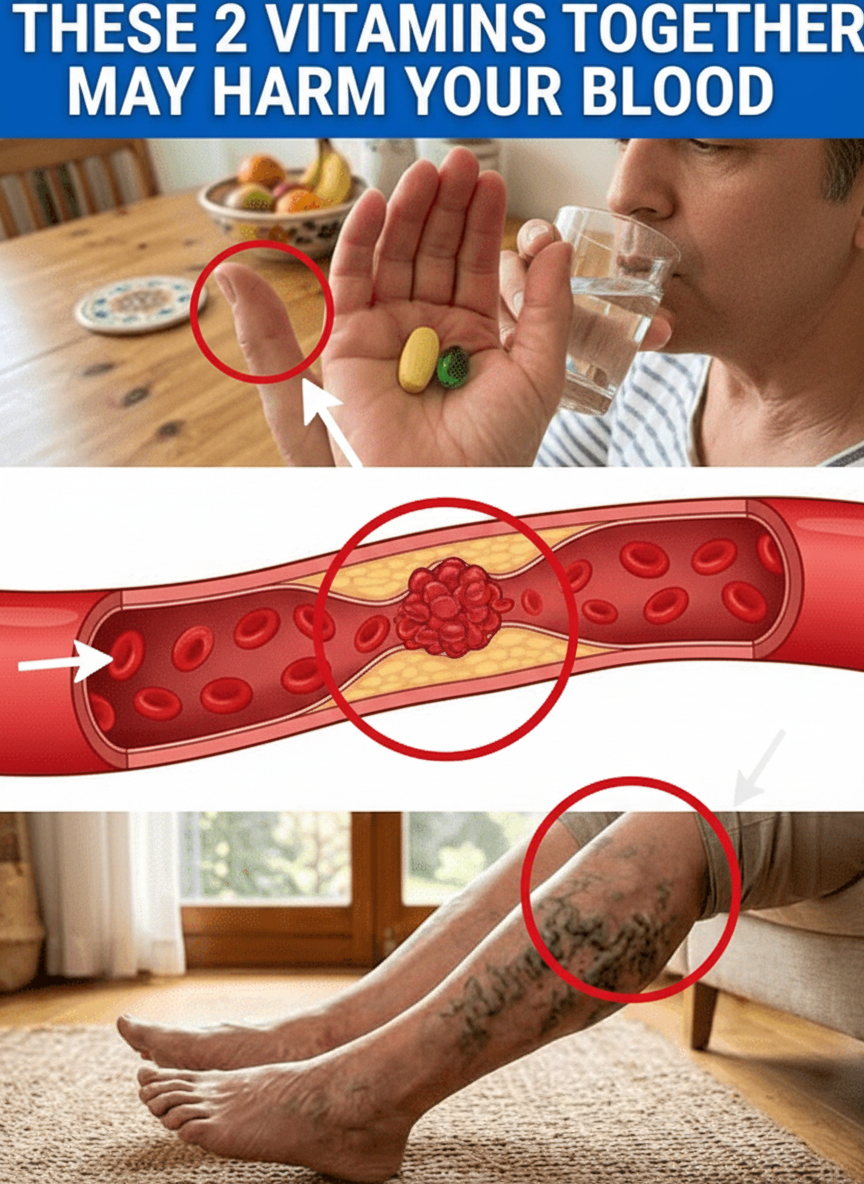
- Increased bruising, even without apparent injury.
- Prolonged bleeding from minor cuts.
- Significant potential for interaction with blood-thinning medications.
For seniors, especially those on anticoagulants, this combination demands careful consideration. It’s not that these vitamins are inherently dangerous, but rather that their combined intake requires thoughtful management, ideally under medical supervision.
Subtle Warning Signs to Watch For
Your body often provides subtle clues when your supplement regimen isn’t quite right. These signs are easily dismissed as normal aging, but they warrant attention:
- Unexplained or frequent bruising.
- Small cuts bleeding for longer than usual.
- Unusual or persistent fatigue.
- More frequent nosebleeds.
While these symptoms aren’t exclusively caused by supplements, they serve as crucial indicators to reassess your intake. This vigilance is especially important for seniors who often combine multiple supplements – multivitamins, individual capsules, and herbal remedies – potentially leading to an unknowingly high total dosage.
Furthermore, fat-soluble vitamins (A, D, E, and K) are stored in the body’s fat tissue rather than being readily excreted. This means they can accumulate over time, emphasizing the critical importance of balanced intake. (Source: Prevention)
Vitamin E & K: A Quick Comparison
| Vitamin | Main Role | Possible Concern in High Doses |
|---|---|---|
| Vitamin E | Antioxidant protection | May influence blood clotting |
| Vitamin K | Supports normal clotting | Can interact with medications |
| Together (in high doses) | Both affect blood function | May alter clotting balance |
This table underscores that while both vitamins are essential, their concurrent high-dose supplementation demands awareness of their potential impact on blood function and clotting balance. It’s not about outright avoidance, but about informed dosage and medical context.
Practical Steps for Safer Supplementation
To mitigate potential risks from supplement interactions, seniors can adopt these immediate practices:
- Review All Labels: Carefully check the labels of every supplement you take, including multivitamins, individual vitamins, and herbal remedies. Note dosages and active ingredients to avoid unintentional overlaps.
- Disclose All Supplements to Your Doctor: Inform your healthcare provider about every supplement, vitamin, and over-the-counter medication you are taking. This allows them to identify potential interactions with prescription drugs or existing health conditions.
- Avoid Self-Prescribing High Doses: Stick to recommended daily allowances unless otherwise advised by a medical professional. More is not always better, especially with fat-soluble vitamins.
- Watch for Warning Signs: Be vigilant for the symptoms discussed earlier, such as unusual bruising or prolonged bleeding, and report them to your doctor promptly.
Your health is paramount. By understanding how supplements interact and consulting with healthcare professionals, you can ensure your daily regimen truly supports your well-being, rather than inadvertently creating risks.
”
}
“`