 By admin
 Beyond Carrots: The Tiny Seed That Could Transform Your Eye Health
As we age, many of us face the unwelcome reality of diminishing vision – blurriness, dryness, and difficulty with fine print become daily frustrations. While carrots have long been touted as the go-to for eye health, what if a humble seed, likely in your kitchen right now, offered a powerful, traditional, and scientifically-hinted alternative?
Enter fennel seeds (Foeniculum vulgare). Revered for centuries and increasingly backed by preliminary research, these unassuming seeds might just be your new ally for maintaining sharp, comfortable vision. Stick with us to discover why and how to easily incorporate them into your routine.
Why Eye Health Matters More as We Age
Our eyes endure constant strain, processing light and sending signals to the brain every day. With age, factors like oxidative stress, reduced nutrient absorption, and natural wear and tear can impact their vitality and comfort. Common complaints include dryness, occasional strain, and changes in focus. While professional eye care is paramount, nourishing your eyes with nutrient-rich foods plays a crucial supportive role in keeping them feeling their best.
What Makes Fennel Seeds Special for Eye Support?
Fennel seeds, those small, aromatic green-brown seeds often chewed after meals or used in cooking, are packed with essential compounds beneficial for vision:
- Vitamin A precursors (like beta-carotene): Crucial for maintaining healthy vision, particularly in low-light conditions.
- Potent Antioxidants (including Vitamin C and various flavonoids): These compounds help combat oxidative stress, a key factor in age-related eye degradation.
- Minerals (e.g., potassium): Supporting overall cellular function, including the delicate tissues of the eye.
Historically, fennel’s connection to vision is deep. Ancient Romans believed it could “supercharge” eyesight, while in traditional systems like Ayurveda, it’s celebrated as “Netra Jyoti” – the “light of the eye” – for its reputed benefits.
What Studies Suggest About Fennel and Eye Health
While human trials are still emerging, several laboratory and animal studies offer intriguing insights into fennel’s potential:
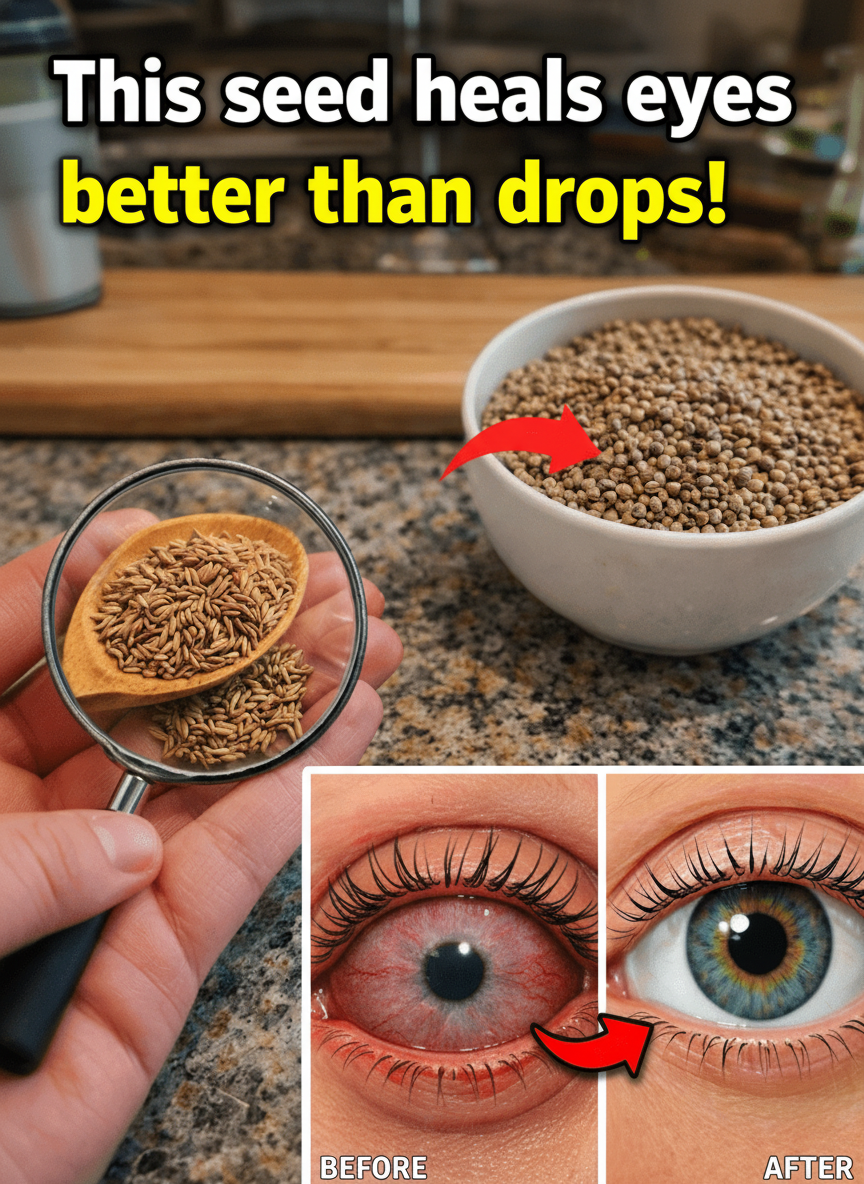
- Intraocular Pressure (IOP): Research on animal models suggests that fennel seed extract may help reduce intraocular pressure (IOP) in scenarios mimicking glaucoma, showing effects comparable to some standard options in those experimental settings. One study noted reductions of up to around 31%.
- Lens Protection: Other investigations have looked at protective effects against induced lens opacity (like in cataract models), where fennel extract appeared to lower opacity scores significantly.
These findings, from lab and animal research, point to fennel’s anti-inflammatory, antioxidant, and potential oculohypotensive (pressure-lowering) properties. It’s important to remember these are preliminary results, highlighting areas for future human studies. However, incorporating whole fennel seeds provides a spectrum of nutrients that support overall wellness, including eye-related benefits, through a natural, food-based approach. Unlike eye drops that target symptoms directly, fennel offers a whole-food strategy with additional perks for digestion and general vitality.
How Fennel Compares to Other Eye-Healthy Foods
How does fennel stack up against other vision-supporting foods?
- Carrots: Renowned for their beta-carotene content, which converts to Vitamin A, excellent for night vision support.
- Leafy Greens (Spinach, Kale): High in lutein and zeaxanthin, vital for macular protection.
- Fennel Seeds: Offer a unique blend of Vitamin A precursors, powerful antioxidants, and traditional support for eye comfort, alongside anti-inflammatory effects that may aid overall circulation to the eyes.
Fennel isn’t a replacement for these foods; rather, it’s a powerful and complementary addition. Its edge? It’s incredibly easy to incorporate daily without much prep, and its mild, licorice-like flavor makes it a delightful choice.
Simple Ways to Add Fennel Seeds to Your Daily Routine
Ready to harness the potential of this tiny seed? Here are practical, step-by-step tips:
- Post-Meal Chew: Simply chew ½–1 teaspoon of raw fennel seeds after meals. It’s a traditional digestive aid and breath freshener, while also delivering beneficial nutrients directly.
- Fennel Tea: Crush 1 teaspoon of seeds, then steep them in hot water for 5–10 minutes. Enjoy 1–2 cups daily for a soothing, beneficial brew.
- Culinary Spice: Incorporate ground or whole fennel seeds into your cooking. They add an aromatic, slightly sweet flavor to curries, stews, baked goods, or can even be sprinkled over salads for an intriguing twist.
Embracing fennel seeds is a simple, delicious step towards supporting your vision and overall well-being naturally.