 By admin
 Soursop and Cancer: Separating Fact from Fiction for Older Adults
It’s a common scenario: a friend or family member excitedly shares a new “miracle cure” found online, often a natural remedy or a specific food. While the hope these claims offer can be powerful, it’s crucial to approach them with a discerning eye, especially when they involve serious health conditions like cancer. This is particularly true for older adults, who may be more susceptible to misleading health information.
One such claim frequently circulating revolves around soursop, a tropical fruit lauded for its potential cancer-fighting properties. But what does science truly say about soursop, also known as graviola or Annona muricata, and its purported health benefits? Let’s explore the facts behind the hype.
What is Soursop and Why the Buzz?
Soursop is a distinctive tropical fruit, easily recognized by its green, spiky skin and creamy white, aromatic flesh. Native to Southeast Asia, the Caribbean, and parts of South America (and known as mãng cầu xiêm in Vietnam), it boasts a unique sweet-and-sour flavor often likened to a blend of pineapple and strawberry. It’s a popular ingredient in smoothies, juices, and desserts.
Beyond its culinary appeal, soursop has gained significant attention on social media, where numerous posts claim it can cure or prevent various types of cancer. These viral assertions often lead many, including older adults, to wonder if incorporating soursop into their daily diet could be a powerful health strategy.
From a purely nutritional standpoint, soursop is a healthy fruit. A 100-gram serving provides essential nutrients like Vitamin C, dietary fiber, potassium, and other micronutrients vital for general well-being. (As reported by health and nutrition guides like Healthline). So, while it is indeed nutritious, this inherent goodness doesn’t automatically elevate it to the status of a medical miracle. Understanding this distinction is key.
The Science Behind Soursop: What Researchers Are Studying
Scientists are interested in soursop due to its rich nutritional profile and unique plant compounds. Its beneficial components include:
- Vitamin C: A powerful antioxidant that supports immune system health.
- Dietary Fiber: Essential for healthy digestion and gut function.
- Potassium: Important for maintaining healthy blood pressure and heart function.
- Antioxidants: Compounds that help protect the body’s cells from damage caused by free radicals.
More specifically, researchers have focused on a class of plant compounds called acetogenins, found in the leaves, seeds, and fruit of the soursop plant. In controlled laboratory settings, some experiments have indicated that these acetogenins may influence the behavior of certain abnormal cells.
However, this is where a critical distinction must be made – one that viral posts often overlook. Findings from laboratory (in vitro) studies, where cells are grown in a petri dish, do not directly translate to real-world human health outcomes. Cells behave very differently within a living, complex human body than they do in an isolated lab environment. While these compounds are scientifically intriguing, they are still in the very early stages of research.
Soursop and Cancer: What the Research *Doesn’t* Say
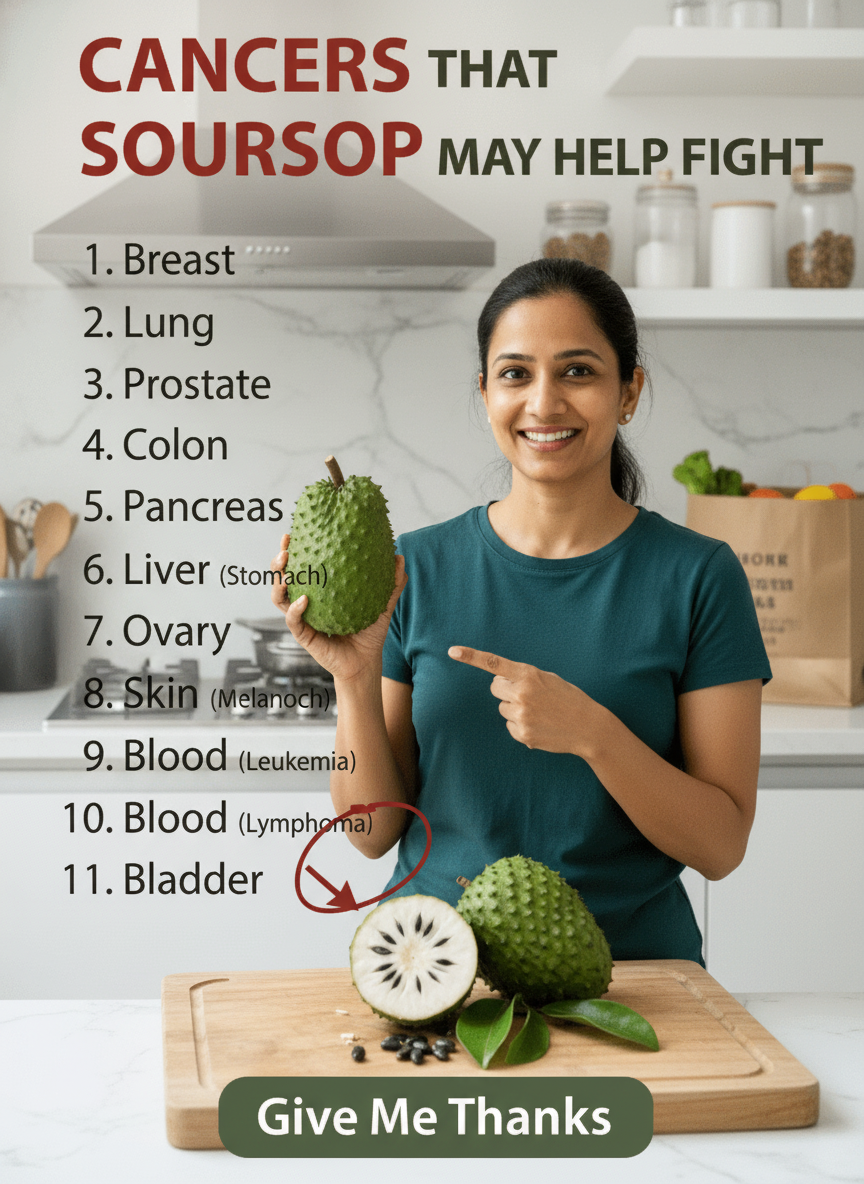
Let’s address the most prevalent claim head-on: Does soursop cure cancer? The unequivocal answer from credible medical authorities is no. There is currently no robust scientific evidence or clinical data to support the use of soursop as an effective treatment for cancer in humans.
While some preliminary laboratory research has shown that soursop extracts might affect the growth of certain cancer cells in test tubes (as noted in various scientific reviews, including those summarized by Healthline), this is merely the first step in a long and rigorous scientific process. To put it simply, medical breakthroughs follow a specific path:
- Lab Cell Experiments: Initial studies on isolated cells in a petri dish.
- Animal Studies: Testing promising compounds in animal models.
- Human Clinical Trials: Large-scale studies involving human volunteers to assess safety and efficacy.
- Medical Approval: Only after extensive, successful human trials can a treatment be considered safe and effective for widespread medical use.
Currently, soursop has not progressed beyond the initial laboratory stages for cancer treatment. This means that claims suggesting the fruit can fight dozens of cancers are unfounded and lack strong clinical backing.
The *Real* Health Benefits of Soursop
Instead of focusing on unsubstantiated claims, it’s more beneficial to appreciate soursop for its genuine nutritional value. When consumed as part of a balanced and varied diet, soursop can contribute to overall wellness:
- Immune Support: Its high Vitamin C content helps bolster the body’s natural defenses.
- Digestive Health: The dietary fiber aids in maintaining a healthy digestive system.
- Antioxidant Protection: It provides antioxidants that assist the body in managing oxidative stress, which can contribute to cellular damage.
- Hydration and Nutrients: A natural source of water, vitamins, and minerals.
For older adults, incorporating fruits rich in vitamins, fiber, and antioxidants can significantly contribute to better nutrition, improved digestive comfort, and overall vitality. However, it is crucial to adhere to this fundamental principle: Food supports health; it does not replace professional medical care or prescribed treatments.
Safe Ways to Enjoy Soursop
If you enjoy the unique flavor of soursop and wish to include it in your diet for its nutritional benefits, there are many safe and delicious ways to do so. Enjoy it fresh, blend it into smoothies, or use it in juices and desserts. As with any food, moderation is key.
Always remember that while soursop is a healthy addition to a balanced diet, it is not a cure for cancer or any other serious disease. If you have concerns about your health or are considering any dietary changes, especially in relation to a medical condition, always consult with your doctor or a qualified healthcare professional. They can provide personalized advice based on your individual health needs and ensure you receive appropriate medical care.