 By admin
 Gray Hair & Your Kitchen: Everyday Habits for Healthier Aging Locks
The appearance of gray hair can be a noticeable sign of aging, often prompting feelings of frustration or self-consciousness. While reversing gray hair entirely isn’t a realistic goal, a proactive approach through simple, everyday habits—especially those rooted in your kitchen and lifestyle—can significantly support overall hair health and potentially slow visible signs of aging in your locks.
Understanding the Graying Process
As we age, our hair undergoes several changes:
- Melanin Production Slows: Pigment cells gradually produce less melanin, leading to colorless (gray or white) hair.
- Texture Changes: Hair strands often become thinner, drier, and more brittle.
Genetics, stress, and lifestyle all play a role in this process. While we can’t change our genes, we can influence lifestyle factors to promote healthier hair growth and appearance.
Beyond the Myths: What Kitchen Ingredients Can (and Can’t) Do
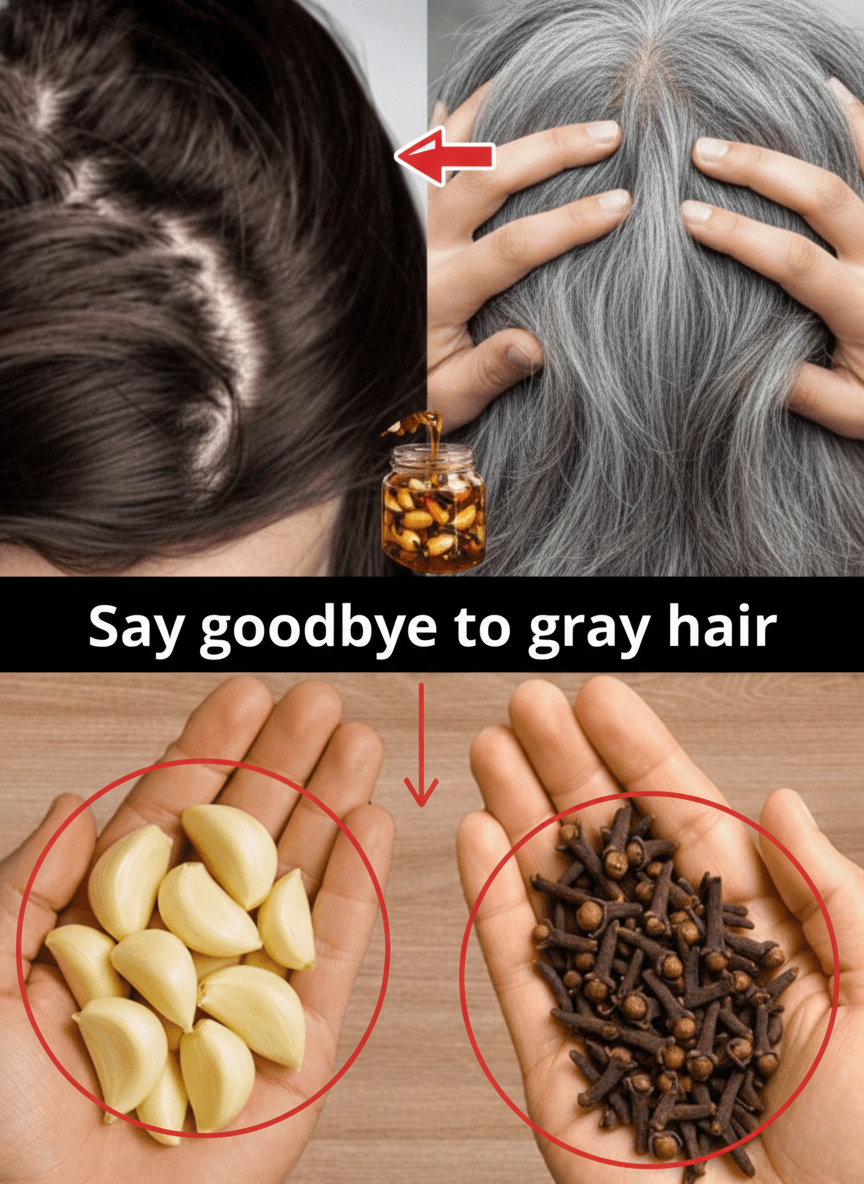
You might have heard claims about kitchen staples like garlic or cloves “reversing” gray hair. Let’s clarify the science:
- Garlic & Cloves: While rich in sulfur, antioxidants, and beneficial plant compounds, there’s no scientific evidence that these ingredients directly alter hair color or halt graying.
- Biotin: Essential for hair structure, biotin deficiency can impact hair health, but it doesn’t change hair color itself.
- Scalp Massage: Improves circulation, which is good for hair wellness, but won’t change pigment.
The key takeaway? No food or spice magically reverses gray hair. However, incorporating nutrient-rich foods supports the overall health and quality of your hair, helping it look its best longer.
Essential Needs for Healthy Aging Hair
Your hair’s vitality is a mirror of your overall well-being. Optimal hair health relies on:
- Good Scalp Circulation: Ensures vital nutrients reach hair follicles.
- Balanced Nutrition: Supplies essential vitamins, minerals, and proteins.
- Stress Management: Chronic stress can negatively impact hair health.
- Low Inflammation: Supports a healthy environment for hair growth.
Among these, nutrition and lifestyle habits are areas where you can make impactful changes today.
Simple Kitchen & Lifestyle Habits to Adopt
Here are practical, common-sense steps to support your hair’s health:
- Boost Antioxidants: Foods like berries, leafy greens, and nuts combat cellular stress, benefiting overall health, including hair.
- Include Sulfur-Rich Foods: Sulfur is a crucial building block for strong hair. Find it in garlic, onions, eggs, and legumes.
- Stay Hydrated: Well-hydrated hair looks shinier and more resilient. Drink plenty of water throughout the day.
- Gentle Scalp Massage: A daily 2-3 minute scalp massage can improve blood flow to the follicles, promoting general hair wellness.
- Protect Your Hair: Minimize heat styling and harsh chemical treatments, which can weaken hair and make it appear thinner.
Your Daily Routine for Vibrant Hair
Integrate these gentle and safe habits into your daily life:
- Breakfast: Start with antioxidant-rich foods like berries or spinach in a smoothie.
- Lunch/Dinner: Incorporate sulfur-rich ingredients such as onions, garlic, or legumes.
- Nightly: Perform a 2-minute scalp massage using your fingertips in small circular motions.
- Throughout the Day: Prioritize hydration by regularly drinking water.
- Hair Care: Be mindful of styling; protect hair from excessive heat.
By focusing on overall body and scalp health through these consistent habits, you empower your hair to stay stronger, look healthier, and maintain its vitality as you age. It’s about supporting your hair’s natural journey, not fighting an impossible battle.
”
}
“`