 By admin
 Pumpkin Seeds: Unlocking Nature’s Support for Blood Sugar, Cholesterol, and Heart Health
Many of us navigate the daily challenges of fluctuating energy, the post-meal blood sugar roller coaster, and the persistent worry about maintaining healthy cholesterol levels and a strong heart as we age. These common concerns can quietly impact our mood, stamina, and long-term well-being, often leaving us searching for natural, sustainable solutions.
The good news is that nature has long provided simple, time-tested remedies. Among them, a humble seed—often overlooked—stands out for its rich nutrient profile and widespread traditional use across diverse cultures: the pumpkin seed, also known as pepita.
In this article, we’ll delve into how this ancient superfood has been traditionally valued and scientifically recognized for its potential to support overall wellness, including balanced blood sugar, healthy cholesterol levels, sustained energy, and robust cardiovascular function. Remember, while powerful, it offers gentle support, not miraculous overnight fixes.
Why Pumpkin Seeds Have Been Cherished for Centuries
Originating in the Americas thousands of years ago, pumpkin seeds come from the same squash family that has nourished civilizations for millennia. Traditional healers across various cultures incorporated them into diets for general vitality and specific health goals. What makes them particularly compelling today is their impressive nutritional composition.
A small handful of pumpkin seeds delivers a powerhouse of essential nutrients, including:
- Magnesium: Crucial for energy production, muscle function, and maintaining normal blood pressure.
- Zinc: Vital for immune function and cell growth.
- Healthy Fats: Rich in polyunsaturated and omega-type fats, contributing to heart-friendly dietary patterns.
- Fiber: Aids digestion, promotes satiety, and plays a role in how the body manages sugars and lipids.
- Antioxidants (like Vitamin E): Protect cells from oxidative stress.
- Phytosterols: Plant compounds that preliminary research suggests may help support balanced cholesterol levels by competing with cholesterol absorption.
Studies, including reviews of both animal and human data, consistently highlight the potential roles of these compounds in metabolic and heart functions, such as glycemic control and lipid balance. Sources like Harvard Health recognize pumpkin seeds as an excellent magnesium provider, while scientific journals underscore their phytosterol content for lipid support.
Supporting Healthy Blood Sugar Balance
Maintaining stable energy levels throughout the day is closely linked to how effectively our bodies manage blood sugar after meals. Emerging research, including small human trials, suggests that incorporating pumpkin seeds or their oil into meals may lead to a more moderate blood sugar response compared to carbohydrate-rich foods consumed alone. Animal studies further indicate that pumpkin-related compounds could enhance insulin sensitivity and contribute to the regulation of glucose levels over time.
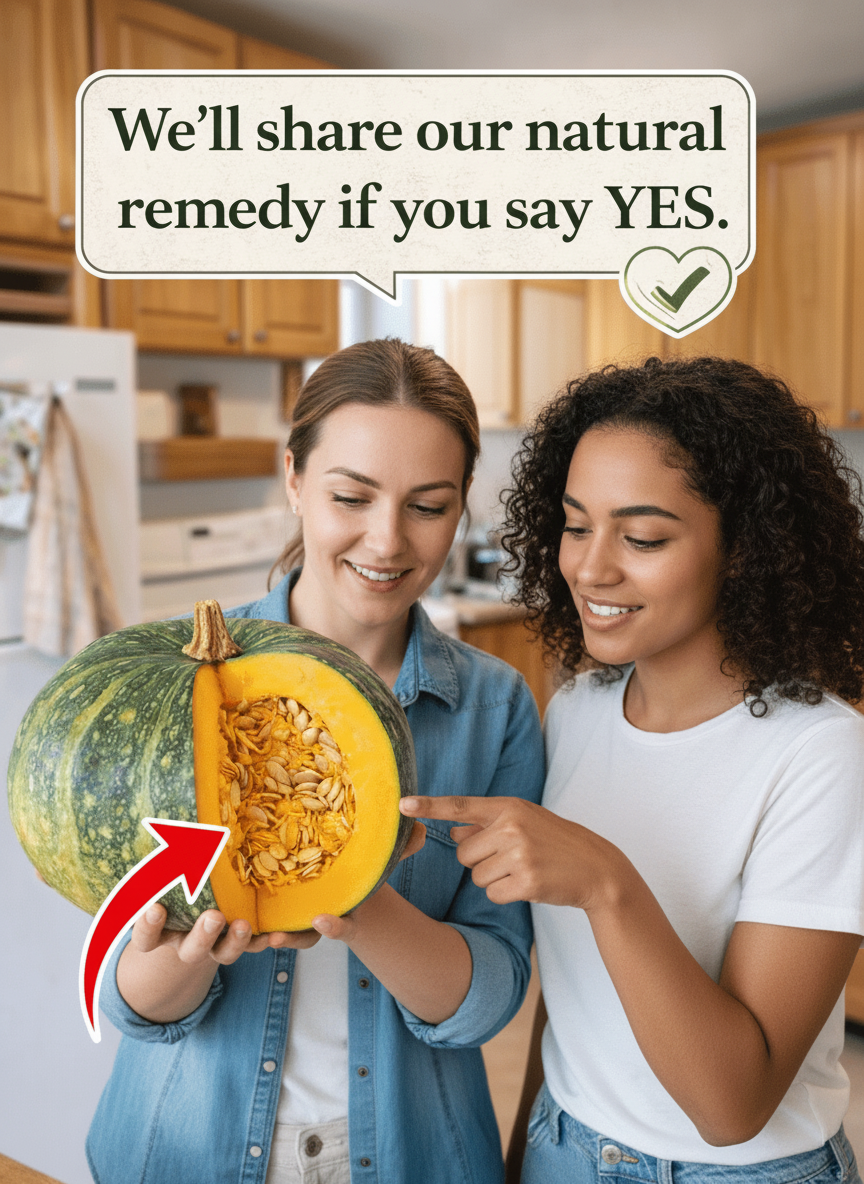
While larger-scale human studies are ongoing, these findings resonate with traditional practices that have long valued pumpkin seeds for sustained vitality and metabolic harmony.
Promoting Cholesterol Balance and Heart Health
Cardiovascular wellness is a primary concern for many, especially as we age. Pumpkin seeds’ unique blend of unsaturated fats, fiber, and phytosterols has garnered significant attention in cardiovascular research.
Human studies, such as one involving postmenopausal women, have observed modest improvements in HDL (“good”) cholesterol and blood pressure markers with consistent pumpkin seed consumption. Additionally, animal models suggest that pumpkin seed oil may help lower total and LDL (“bad”) cholesterol, while supporting arterial flexibility through nitric oxide pathways. The magnesium content further aids in relaxing blood vessels, contributing to the maintenance of normal blood pressure.
Leading organizations like the American Heart Association acknowledge the nutrient density of seeds, including pumpkin seeds, as valuable components of a heart-supportive diet.
Integrate Nature’s Goodness
Whether sprinkled on salads, added to yogurt, blended into smoothies, or simply enjoyed as a snack, pumpkin seeds offer a convenient and delicious way to enrich your diet with beneficial nutrients. By embracing this ancient remedy, you can gently support your body’s natural mechanisms for blood sugar stability, cholesterol balance, and overall heart health.