 By admin
 Unlock Youthful Skin, Hair & Joints: 3 Natural Collagen Powerhouses (Forget the Powders!)
As the years pass, many of us notice subtle shifts: skin losing its youthful plumpness, hair thinning, and joints feeling a little less fluid. These are common signs of declining collagen, the body’s most abundant protein, crucial for elasticity, strength, and support. While the market is flooded with collagen powders, a more effective and holistic approach lies in nature’s pantry. Discover how certain whole foods deliver collagen and its vital building blocks in a form your body readily recognizes and utilizes, often outperforming isolated supplements.
Why Focus on Natural Food Sources for Collagen?
Collagen provides the structural framework for your skin, hair, nails, bones, and joints. Its natural decline with age contributes to visible changes. While supplements offer isolated collagen, whole-food sources provide a comprehensive matrix: the collagen itself (often as gelatin when cooked), essential amino acids (glycine, proline, hydroxyproline), and crucial cofactors like Vitamin C, zinc, and copper, all working synergistically. Animal-based foods are the primary direct sources of collagen, while plant foods are excellent for boosting your body’s own collagen synthesis. This ‘food-matrix’ approach ensures better bioavailability and a broader spectrum of nutrients than a simple scoop of powder.
The 3 Best Natural Collagen Foods to Revitalize Your Routine
Here are three standout options that deliver collagen and supporting nutrients, easy to incorporate, and offering benefits beyond isolated supplements.
1. Bone Broth – The Ultimate Collagen Elixir
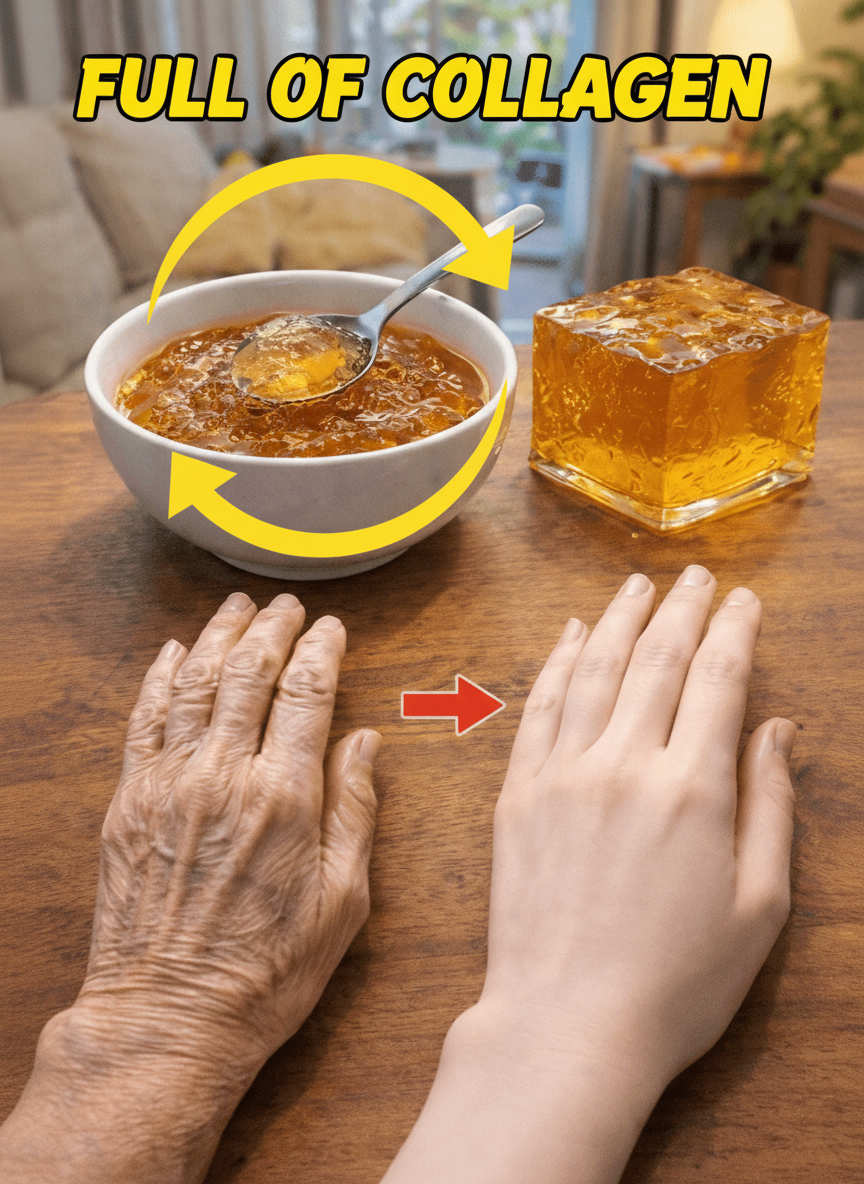
Bone broth reigns supreme as a collagen powerhouse. Slow-simmering animal bones, joints, and connective tissues extracts a rich gelatin, packed with Type I and III collagen – vital for skin elasticity and connective tissue health. It also delivers amino acids like glycine and proline. Many find bone broth warming, nourishing, and supportive of joint comfort and skin vitality.
- DIY Tip: Combine beef or chicken bones (with cartilage), water, a splash of apple cider vinegar, and aromatic veggies/herbs. Simmer low for 12-24 hours (or use a slow cooker). Strain and enjoy warm, or use as a soup base. One cup offers significant protein from these natural sources.
2. Skin-On Poultry – Don’t Discard This Gem!
That often-discarded chicken skin is a treasure trove of collagen! When slow-cooked, the connective tissues transform into gelatin, providing Type II collagen, particularly beneficial for joint support. Poultry sources offer bioavailable collagen peptides that your body can effectively integrate.
- Easy Ways to Enjoy: Roast a whole chicken for crispy, collagen-rich skin. Add skin-on chicken to stews and soups, allowing it to simmer and release its goodness. For an extra dense source, consider traditional chicken feet. Pair with Vitamin C-rich vegetables to enhance synthesis.
3. Fish with Skin & Bones – Marine Collagen & Omega-3s
Fatty fish like salmon (with skin on) or sardines (canned with edible bones) are excellent sources of marine collagen, known for its efficient absorption. Beyond direct collagen, these fish provide beneficial omega-3 fatty acids, which further support skin hydration and joint mobility. They offer a complete nutritional profile: protein, healthy fats, and collagen, all in one.