 By admin
 Beyond a Wet Pillow: 6 Health Conditions Linked to Frequent Nighttime Drooling
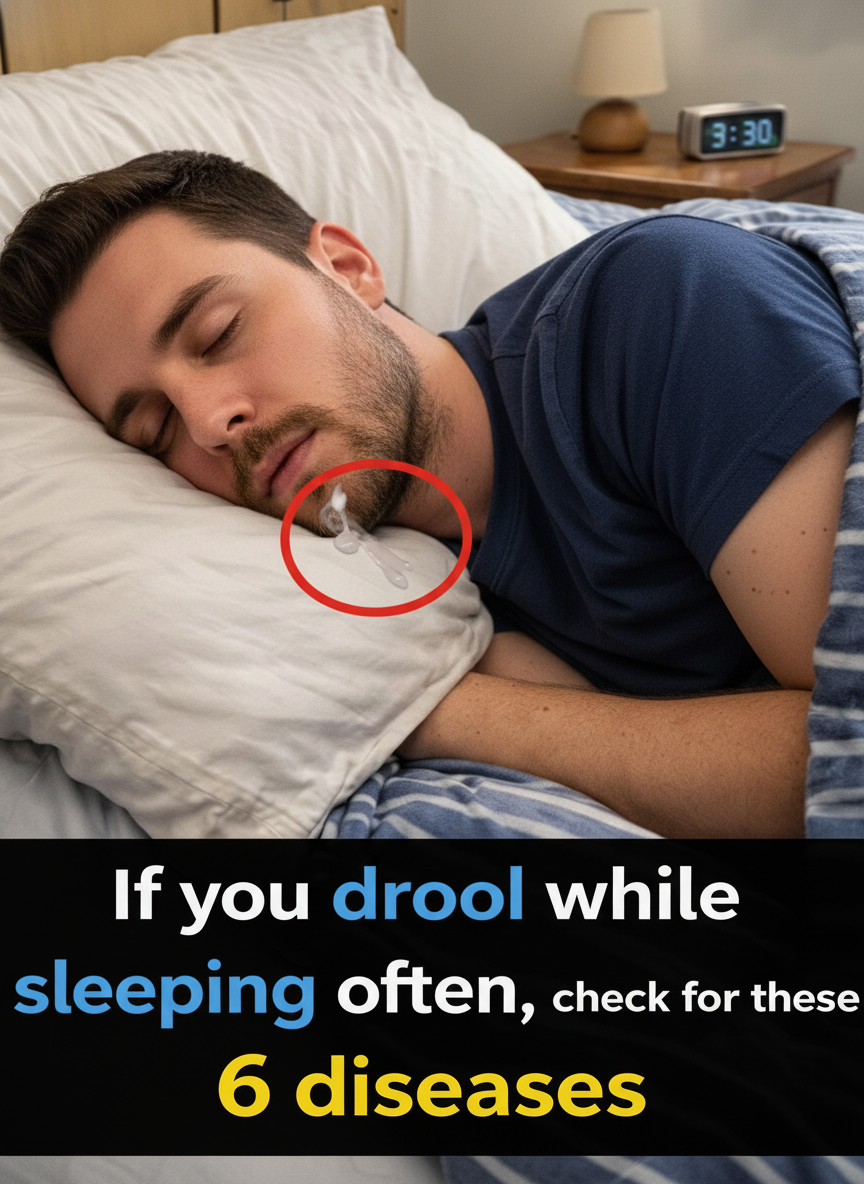
Waking up to a soggy pillow and a damp cheek can be more than just an embarrassing inconvenience. When nighttime drooling becomes a regular occurrence, it might be your body’s subtle way of signaling an underlying health issue. While occasional drooling is normal, persistent instances warrant a closer look. Understanding the potential causes is the first step towards better sleep and overall well-being.
Why Nighttime Drooling Happens More Often Than You Think
During deep sleep, your swallowing reflex naturally slows down, yet saliva production continues steadily. While your mouth usually stays closed, disruptions to breathing, muscle control, or even digestion can make it easier for saliva to escape. Sleep experts note that this shift can be linked to simple factors like your sleep position, or more persistent issues that deserve attention. Knowing the ‘why’ empowers you to take action.
Here are six common conditions research consistently connects to excessive nighttime drooling:
1. Sleep Apnea
Sleep apnea is characterized by repeated pauses in breathing throughout the night, often due to an obstructed or collapsing airway. This frequently leads individuals to breathe through their mouth to compensate, allowing saliva to spill out unnoticed. Loud snoring, gasping for air, or persistent exhaustion despite a full night’s rest are common accompanying symptoms. Addressing the underlying breathing issue can significantly reduce drooling.
2. Gastroesophageal Reflux Disease (GERD)
When stomach acid flows back into the esophagus, particularly when lying flat, your body reacts by increasing saliva production to neutralize the irritation. This excess saliva can easily escape during sleep. While often associated with heartburn or a sour taste, nighttime GERD can be sneakier, with drooling being one of the first noticeable symptoms. The horizontal position often exacerbates this digestive quirk.
3. Neurological Disorders
Conditions affecting muscle coordination, such as Parkinson’s disease, post-stroke recovery, cerebral palsy, or Amyotrophic Lateral Sclerosis (ALS), can impair the mouth and throat’s ability to manage saliva. Even in early stages, the swallowing reflex may slow, leading to increased nighttime drooling. This occurs because the nerves controlling facial and throat muscles may not signal as effectively. Early recognition can open doors to helpful medical conversations and support.
4. Sinus Infections or Allergies
A stuffy nose from seasonal allergies, a lingering cold, or sinus pressure forces you to breathe through your mouth. Once your lips part, gravity takes over, allowing saliva to escape. Inflamed sinuses block normal airflow, creating a cycle that repeats during allergy season or when a cold persists. Clearing these passages often brings quick relief from drooling.
5. Tonsillitis or Throat Infections
Swollen tonsils, strep throat, or other irritations in the throat can make swallowing uncomfortable, causing your body to instinctively hold back. Saliva builds up and, during sleep, finds the easiest path out. Dental issues like abscesses can produce a similar effect. While infections usually present with a sore throat, fever, or swollen glands, drooling can sometimes appear even before other symptoms become obvious. Prompt treatment of the root cause typically resolves the issue.
6. Medication Side Effects
Certain prescriptions, including those for neurological conditions, mental health, or even some pain relievers, can either increase saliva flow or relax the muscles responsible for keeping your mouth closed. This effect is often most pronounced at night when your body is already relaxed. If you’ve recently started or changed medication and noticed an increase in drooling, it’s worth discussing with your doctor.
If frequent nighttime drooling is a concern for you, paying attention to these potential causes and consulting a healthcare professional can help identify the root issue and lead to effective solutions for better sleep and health.