 By admin
 If you’re among the millions who rely on instant ramen for a quick, affordable, and oddly satisfying meal, you know its appeal. Yet, what seems like a harmless pantry staple might be doing more than you realize when it becomes a regular habit.
Respected journals have consistently linked frequent consumption to shifts in key health markers. Surprisingly, one factor clearly stands out across multiple large-scale studies. Understanding this could fundamentally change how you view your next bowl. Let’s dive into the science.
What Research Reveals About Instant Ramen
Beyond sensational headlines, the data offers a deeper insight. A significant study involving over 10,000 adults in South Korea—a nation with high ramen consumption—found that women who ate instant noodles at least twice a week had a 68% higher likelihood of developing metabolic syndrome. This cluster of risk factors includes high blood pressure, high blood sugar, excess body fat around the waist, and abnormal cholesterol or triglyceride levels.
Similar patterns emerged in a 2017 analysis of college students in Seoul, where more frequent intake correlated with elevated triglyceride levels, diastolic blood pressure, and fasting blood glucose. Further research from Japan, tracking thousands of adults over several years, indicated an elevated mortality risk among men under 70 who consumed ramen three or more times weekly, particularly when they drank the broth.
These aren’t isolated observations. The connection persisted across studies, even when individuals maintained otherwise balanced diets and active lifestyles. The key takeaway is clear: the issue isn’t an occasional indulgence, but the cumulative effect when ramen becomes a weekly fixture in your diet.
The Single Biggest Reason Researchers Highlight: Sodium Overload
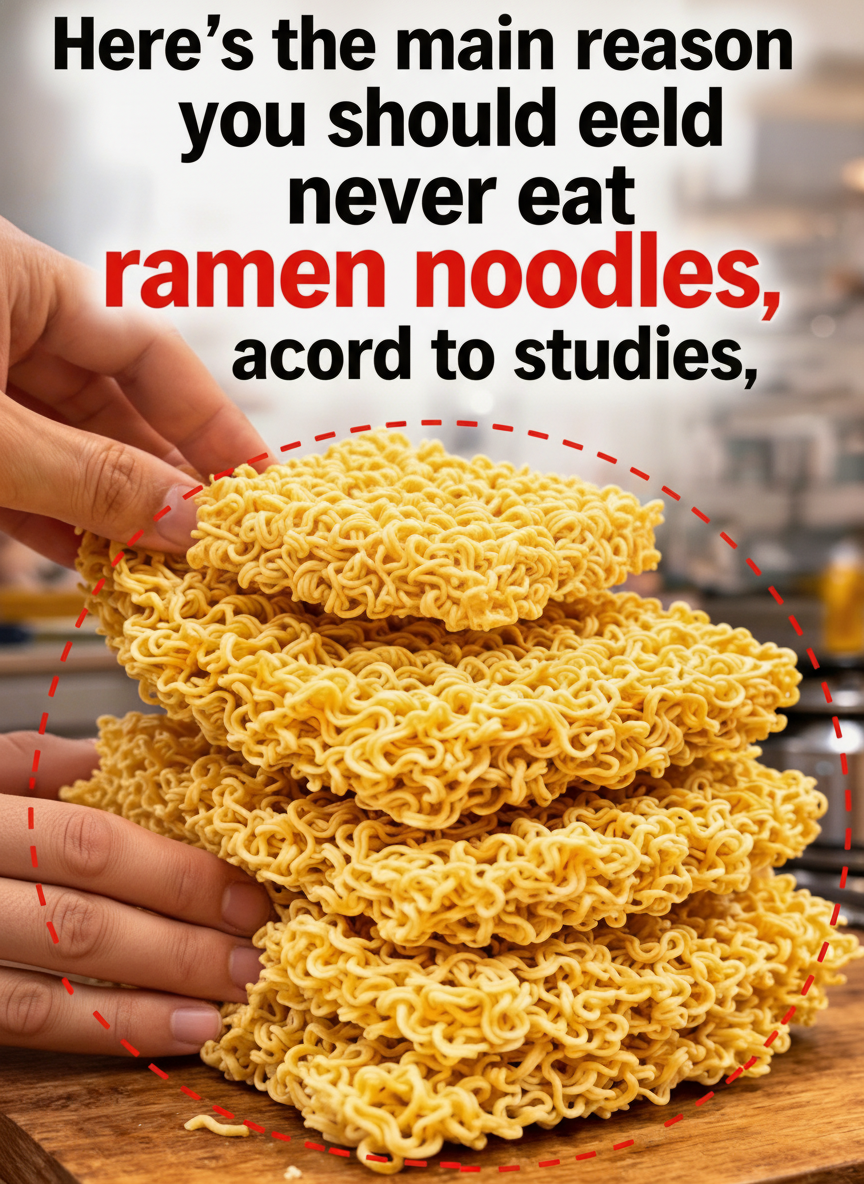
If there’s one factor that consistently explains these patterns, it’s the exceptionally high sodium content found in both the noodles and the seasoning packet. A single serving can deliver anywhere from 1,700 to 2,500 milligrams or more—often accounting for 70-100% of most health organizations’ recommended daily sodium intake. If you’re sipping the broth, that number climbs even higher.
Why does this matter so profoundly? Excess sodium isn’t merely about blood pressure. Research shows it can influence:
- Fluid balance within the body.
- Stiffness of arteries over time.
- How the body processes sugars and fats.
Compounding this, the noodles themselves are typically deep-fried during manufacturing, contributing saturated fat and creating a calorie-dense block that digests rapidly. This, combined with minimal fiber or protein in most standard packs, results in a meal that offers a brief energy spike but leaves your body working harder to regain metabolic balance. Studies describe this combination as a “perfect storm” for the gradual shifts in metabolic markers observed in the research.
What makes this particularly insidious is how easily sodium hides. The convenience and bold flavors can distract from the fact that one bowl can quietly push your daily intake far beyond healthy guidelines, making it an unnoticed default choice several times a week.
Other Factors Amplifying the Effect
While sodium takes center stage, a few other elements consistently appear in research, amplifying the overall impact:
- Low Nutrient Density: Regular ramen eaters in one Korean analysis showed lower intakes of essential nutrients like protein, calcium, iron, vitamin C, and several B vitamins compared to those who consumed it less often.
- Rapid Digestion: The refined flour and frying process lead to a high-glycemic response, which some studies link to blood sugar fluctuations when frequently repeated.
- Additives like TBHQ: This common preservative extends shelf life. While regulatory bodies consider typical amounts safe, some animal studies have examined its potential effects at very high doses, though human data remains limited.
None of these factors make instant ramen a “forbidden” food. Instead, they provide crucial context for why studies repeatedly highlight concerns associated with frequent consumption. Understanding these insights empowers you to make more informed dietary choices, enjoying convenience without compromising long-term health.