 By admin
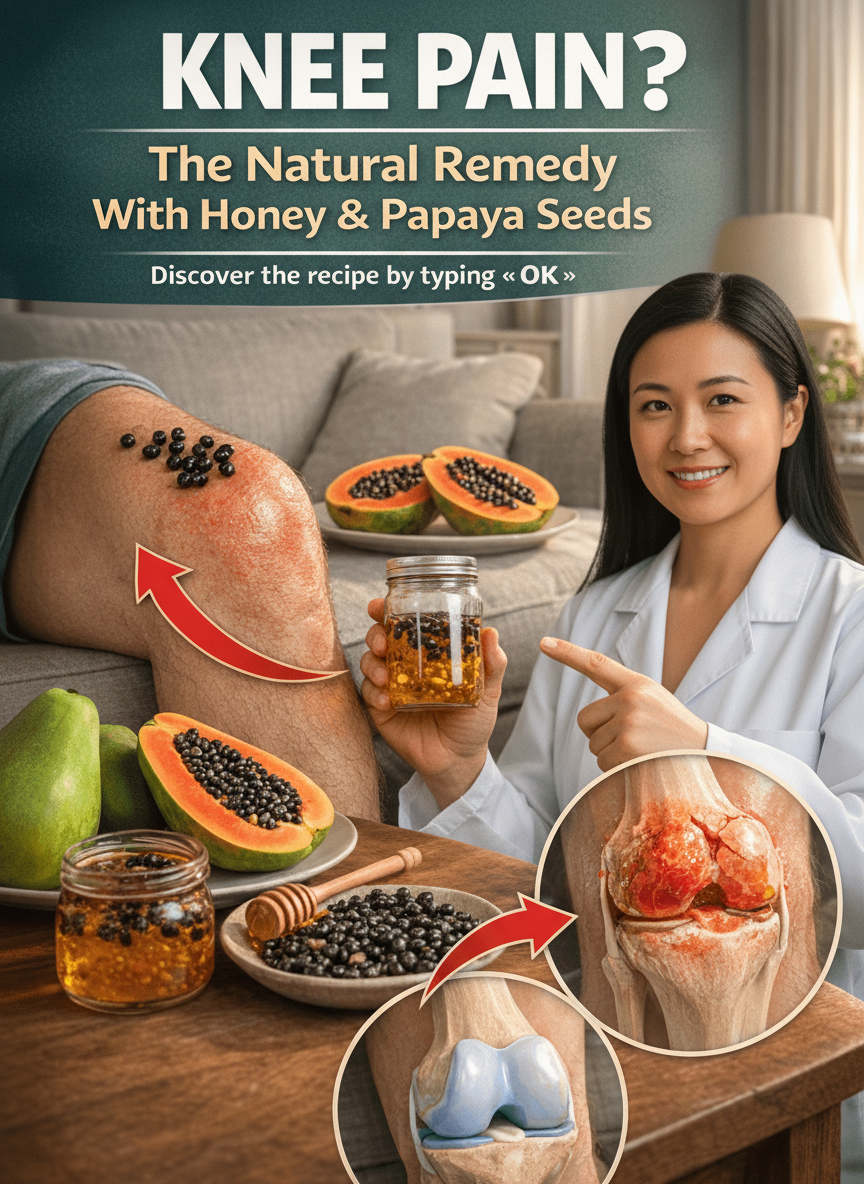
 Papaya seeds have long been a cornerstone of traditional medicine, particularly in tropical regions, for alleviating joint discomfort. From Southeast Asia to Latin America, these often-discarded seeds are cherished for their purported ability to ease stiffness, pain, and inflammation. Many users report noticeable improvements in mobility and reduced morning stiffness after consistent use. But what does the science say, and how can you safely explore this natural option? Let’s dive into a realistic overview.
Why Papaya Seeds May Offer Joint Relief
The potential of papaya seeds lies in their rich composition of bioactive compounds:
- Benzyl Isothiocyanate (BITC): This primary active compound exhibits potent anti-inflammatory effects by inhibiting pathways similar to common NSAIDs (NF-κB and COX-2).
- Carpaine & Alkaloids: Contribute mild pain-relieving and anti-inflammatory properties.
- Fatty Acids & Flavonoids: Work to combat oxidative stress and support the health of cartilage.
- Enzymes (Papain, Chymopapain): May assist in breaking down inflammatory proteins in the body.
The Current State of Scientific Evidence
While traditional use is widespread, scientific research is still evolving:
- Animal Studies: Consistently demonstrate that papaya seed extract can reduce paw swelling in arthritis models, with some trials showing effects comparable to indomethacin.
- In-vitro Studies: Show strong inhibition of key inflammatory cytokines (TNF-α, IL-6, IL-1β) and COX-2 in lab settings.
- Human Evidence: Remains limited. Existing data comes primarily from small open-label studies, case reports, and ethnobotanical surveys (e.g., from Nigeria, India, Malaysia) reporting symptom relief in individuals with arthritis or joint pain. Crucially, large-scale, randomized controlled trials specifically on papaya seeds for conditions like osteoarthritis or rheumatoid arthritis are yet to be conducted.
How to Use Papaya Seeds for Joint Support
For those interested in trying this traditional remedy, here are the most common and effective methods:
- Fresh Seeds (Strongest Traditional Method):
- Scoop seeds from ½–1 ripe papaya, rinse thoroughly.
- Chew ½–1 level teaspoon (approx. 5-10g) of fresh seeds slowly, then swallow.
- Follow with water or a small piece of fruit to mitigate the peppery/bitter taste.
- Starting Dose: Begin with ½ teaspoon for 3-5 days and gradually increase if well-tolerated.
- Dried & Powdered Seeds (Convenient for Long-Term Use):
- Rinse and completely air-dry seeds (sun-drying or dehydrator works well).
- Grind into a fine powder using a coffee grinder.
- Take ½–1 teaspoon of powder daily, mixed into water, smoothies, yogurt, or honey.
- Store in an airtight jar; lasts 6–12 months.
- Papaya Seed Tea (Gentler Option):
- Crush 1 teaspoon of dried seeds.
- Steep in 250 ml (about 1 cup) of hot water for 10–15 minutes.
- Strain and drink 1 cup daily.
Frequency & Duration: Use ½–1 teaspoon of seeds (or equivalent tea) daily for 4–12 weeks to assess your body’s response. For maintenance, consume 4–6 days a week, incorporating a 1-week break every 6–8 weeks.
Realistic Expectations & Timeline
Papaya seeds offer gentle, cumulative effects, not an immediate cure:
- Days 3–14: You might notice mild reductions in bloating or digestive discomfort (seeds are carminative), possibly a slight warming sensation, or improved energy.
- Weeks 3–8: Many users report less morning stiffness, easier joint mobility, and a general reduction in overall body inflammation (often described as feeling “lighter”).
- Weeks 8–16: For those with chronic joint discomfort, a noticeable improvement in symptoms and better tolerance for physical activity can often be observed.
Important Note: Papaya seeds are a supportive remedy. They do NOT replace anti-inflammatory medications or disease-modifying drugs for conditions like rheumatoid arthritis, nor do they cure osteoarthritis or reverse cartilage loss. Results can vary widely, as they depend on the underlying cause of joint pain.
Safety Notes & Important Cautions
While generally safe for most healthy adults at recommended doses (½–1 tsp/day), certain precautions are vital:
- Stomach Irritation: The peppery nature of seeds can cause nausea, heartburn, or diarrhea in sensitive individuals. Always start with a very low dose (e.g., ¼ tsp).
- Fertility Concerns (Men): High doses of papaya seeds have been traditionally used as a male contraceptive in some cultures. Animal studies show reversible sperm reduction. Men trying to conceive should avoid regular high intake.
- Pregnancy / Breastfeeding: Avoid medicinal doses. Traditional use in high amounts has been associated with abortifacient properties. Always consult a physician before use during these periods.
- Blood-Thinning Medications: Papaya seeds may have mild anti-platelet effects. If you are on medications like warfarin or aspirin, monitor your condition closely and consult your doctor.
- Allergy: Rare cross-reactions with papaya fruit or latex are possible.
The Bottom Line
Papaya seeds stand out as a popular traditional remedy for supporting joint comfort, mobility, and reducing inflammation, particularly when low-grade inflammation or oxidative stress is a contributing factor. Their effects are gentle and build up over time, with many individuals experiencing less stiffness and easier movement after 4–12 weeks of consistent use. As with any natural supplement, listen to your body and consult with a healthcare professional, especially if you have underlying health conditions or are on medication.