 By admin
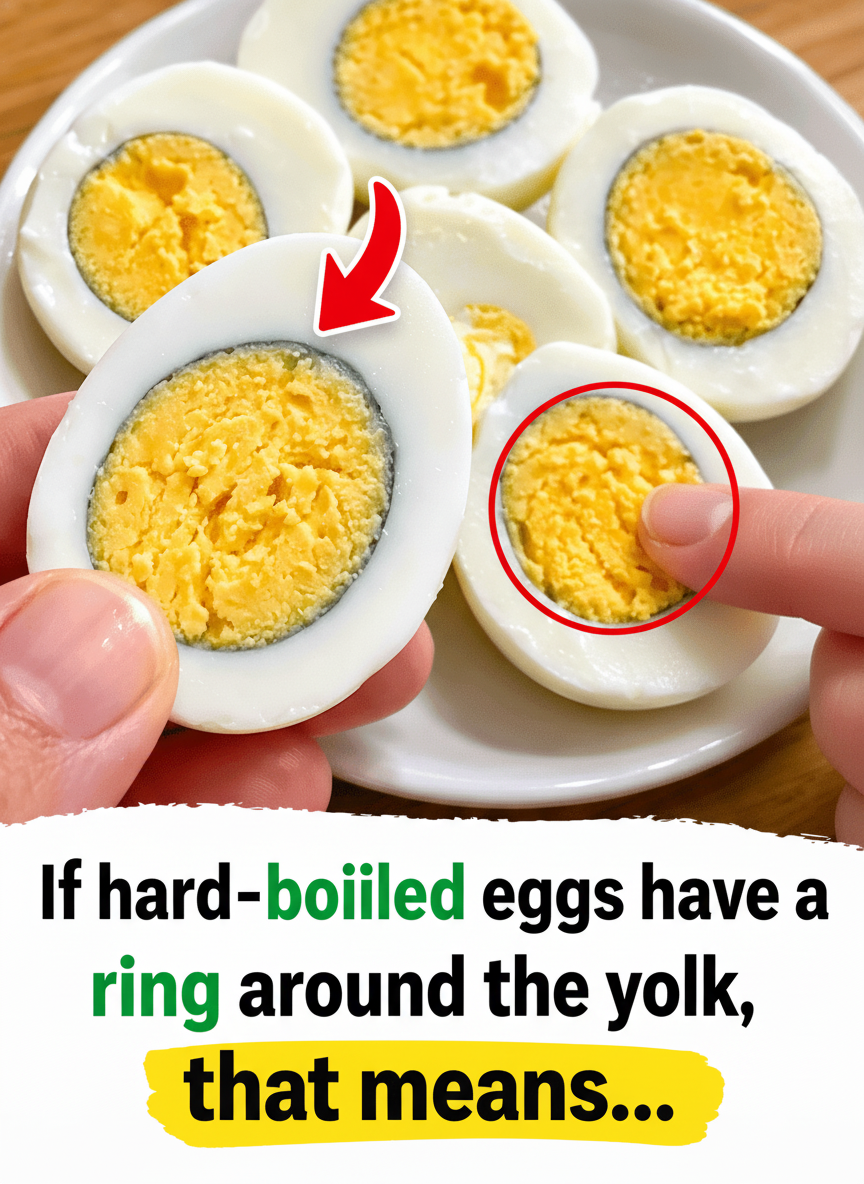
 You’ve just peeled a perfectly smooth hard-boiled egg, sliced it open for your salad or sandwich, and there it is: a noticeable greenish-gray ring encircling the vibrant yellow yolk. If this sight has ever made you pause and wonder if your egg is spoiled or if something went wrong, you’re not alone. The good news? This common kitchen phenomenon is completely harmless and, with a few simple tricks, entirely preventable!
What Causes the Green Ring? The Science Behind Overcooked Eggs
That distinctive green ring is a clear indicator of an egg that has been overcooked. It’s the result of a natural chemical reaction between two compounds found within the egg itself:
- Sulfur: Present in the egg white’s proteins.
- Iron: Abundant in the egg yolk.
When eggs are subjected to prolonged high heat, the sulfur in the white reacts with the iron in the yolk at their meeting point. This interaction creates a compound called ferrous sulfide, which has that characteristic greenish-gray hue. The longer the egg cooks, or the hotter the temperature, the more intense and noticeable the ring becomes.
Food science experts, including insights from the USDA, confirm this is purely a heat-related phenomenon. While older eggs might show the ring more readily due to faster protein breakdown, the primary cause is always the cooking method. Beyond the visual change, overcooking can also lead to a slightly chalky yolk texture and a rubbery white – definitely not ideal for creamy deviled eggs or smooth egg salad.
Is It Safe to Eat Eggs with a Green Ring? Absolutely!
Let’s put your mind at ease: eggs with a green ring are 100% safe to eat. The discoloration does not signify spoilage, bacterial contamination, or any health risk whatsoever. It’s purely a cosmetic and textural alteration caused by overcooking. Food safety authorities, including the USDA, explicitly state that the green ring is not a sign of a bad egg. Feel free to enjoy them without any concern, even if they don’t look as aesthetically perfect for every dish.
Preventing the Green Ring: Your Guide to Perfect Hard-Boiled Eggs
Achieving those beautiful, uniformly golden yolks is simpler than you think. The key lies in precise timing and rapid cooling. Follow these steps for consistently perfect hard-boiled eggs:
- Prep Your Eggs: Place eggs in a single layer in a pot. Cover them with cold water by about an inch. (Using eggs that aren’t super fresh – 1-2 weeks old – can also make peeling easier.)
- Bring to a Boil: Place the pot on medium-high heat and bring the water to a full, rolling boil.
- Remove from Heat: As soon as the water reaches a full boil, immediately remove the pot from the heat source. Cover the pot with a lid.
- Let Them Sit: Allow the eggs to sit in the hot water for 9-12 minutes (9 minutes for slightly softer, jammy yolks; 12 minutes for fully firm, yet creamy yolks).
- The Ice Bath is Crucial: Immediately transfer the cooked eggs to an ice bath (a bowl filled with ice water) for at least 5-10 minutes. This step is vital as it instantly stops the cooking process and prevents residual heat from forming that green ring.
- Peel and Enjoy: Peel the eggs under cool running water for easier shell removal.
Don’t skip the ice bath! It’s the secret to shocking the eggs and halting the chemical reaction that causes discoloration and overcooking.
Debunking Common Myths About Green Yolks
- Myth 1: The egg is spoiled or old. False! The green ring is purely a result of cooking technique, not spoilage or age.
- Myth 2: Adding vinegar or salt prevents it. While these can aid in peeling, they do not reliably stop the chemical reaction that causes the green ring. Precise timing and temperature control are the real solutions.
What to Do with Eggs That Have a Green Ring
If your latest batch ended up with a green ring, don’t despair or toss them out! They are still perfectly good and delicious for:
- Egg salad or sandwiches (where the color won’t be as noticeable).
- Chopped as a garnish for soups or salads.
- Simply snacking plain.
Embrace the knowledge, and enjoy your eggs!