 By admin
 Heat, sweat, tight clothing, and limited air circulation often conspire to create the perfect breeding ground for fungal infections on the skin. These conditions can go unnoticed until uncomfortable itching, redness, or scaling emerges, impacting daily comfort and confidence. Many individuals experience recurrent issues, unaware of the simple preventative measures that can make a significant difference.
The good news is that understanding the common triggers and adopting smart daily habits can help you proactively manage and prevent these bothersome infections. This guide will explore the typical causes and signs, sharing practical prevention strategies you can implement immediately – including an often-overlooked habit frequently highlighted by dermatology experts for optimal results.
What Are Fungal Infections and Why Do They Occur?
Fungal infections arise when specific types of fungi multiply excessively on the skin or in moist bodily areas. These organisms flourish in warm, damp environments, explaining their prevalence in hot, humid climates or after physical activity. Different fungi can target various body parts, leading to distinct issues like ring-shaped rashes, discomfort between the toes, or irritation in skin folds.
Common Triggers for Both Men and Women
Several everyday factors contribute to these infections:
- Excessive sweating combined with restricted airflow from tight clothing.
- Walking barefoot in public spaces like showers or locker rooms.
- Sharing personal items such as towels or clothing.
- Remaining in damp clothes after exercise or swimming.
- A weakened immune response due to stress or certain health conditions.
While moisture is the universal enabler, men often face higher risks in the groin area due to anatomy and sports, whereas women may experience issues linked to hormonal shifts or intimate area factors.
Recognizing the Early Signs and Symptoms
Early detection is crucial for prompt action. Symptoms vary by location but commonly include persistent itching and visible skin changes:
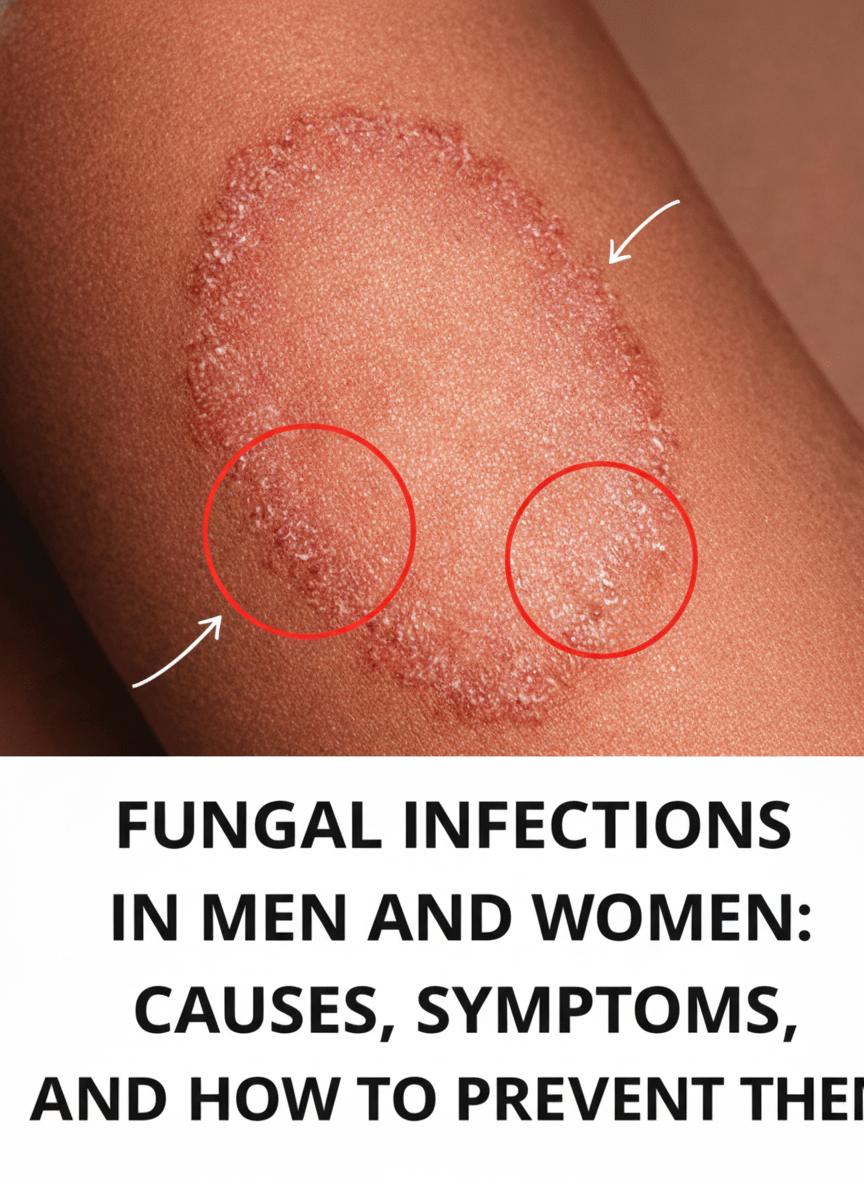
- On the body (arms, torso): A circular or ring-like patch with a slightly raised, scaly border.
- Between the toes: Peeling, cracking, or a burning sensation.
- In the groin region: Redness and itching in the skin folds.
- For women (intimate areas): Unusual discharge or discomfort.
- For men (upper thigh): Similar redness and itching.
Paying attention to these changes allows for more effective management through simple lifestyle adjustments.
The Importance of Proactive Prevention
Many dismiss these issues as an inevitable part of an active lifestyle or warm weather. However, consistent prevention can dramatically reduce their frequency. The core principle lies in disrupting the moist environments where fungi thrive. Dermatologists and health experts consistently affirm that minor routine adjustments yield significant improvements in skin comfort over time.
Actionable Prevention Strategies
Implement these practical steps to protect your skin effectively:
- Thorough Drying: Always dry your skin completely after showering or exercising, paying extra attention to skin folds, feet, and groin areas.
- Breathable Fabrics: Opt for materials like cotton for underwear and clothing to ensure adequate air circulation.
- Prompt Changing: Change out of sweaty workout clothes or wet swimsuits as soon as possible.
- Public Footwear: Wear flip-flops or sandals in public showers, pools, and locker rooms to avoid direct floor contact.
- Personal Hygiene: Regularly wash and thoroughly dry towels and clothes, and avoid sharing them. This habit often yields the most significant positive impact.
- Moisture Control: Consider using moisture-absorbing powders in high-risk areas after drying to maintain skin dryness throughout the day.
Tailored Advice for Men and Women
Men engaged in sports or wearing tight athletic gear should pay extra attention to the groin and feet; choosing loose-fitting boxers over briefs can enhance airflow. For women, selecting cotton underwear and avoiding overly tight pants during hot weather are key preventative measures. Maintaining overall hygiene and being mindful of how medications or life stages can affect body balance also contribute to prevention.