 By admin
 Waking up in a sweat, periods gone rogue, and a sudden short fuse? If you’re in your late 30s or early 40s and these shifts feel bewildering, you’re not alone. Many women experience these changes earlier than expected, often without realizing they could signal early menopause.
These subtle signs can quietly impact your energy, mood, and confidence, leaving you wondering what’s happening. The good news? Recognizing them empowers you to seek support from a healthcare provider and rediscover your well-being. Stick around, as we’ll also share practical steps to navigate this transition.
What Exactly is Early Menopause?
Early menopause refers to the cessation of periods before age 45, while premature menopause occurs before 40. Research from leading health organizations like the Cleveland Clinic and Mayo Clinic indicates that approximately 5% of women experience early menopause naturally. Factors such as family history, specific medical treatments, or certain lifestyle choices can also play a role.
This phase, often beginning with perimenopause, involves significant fluctuations in hormone levels, particularly estrogen and progesterone. Unlike typical menopause around age 51, an early onset can bring more intense or unexpected symptoms, raising potential concerns about long-term health, including bone density and heart health. Understanding the signs is key to proactive management.
10 Early Signs of Menopause You Shouldn’t Overlook
These are the most common early indicators, based on insights from health experts. Remember, experiences vary, and you might not encounter all of them:
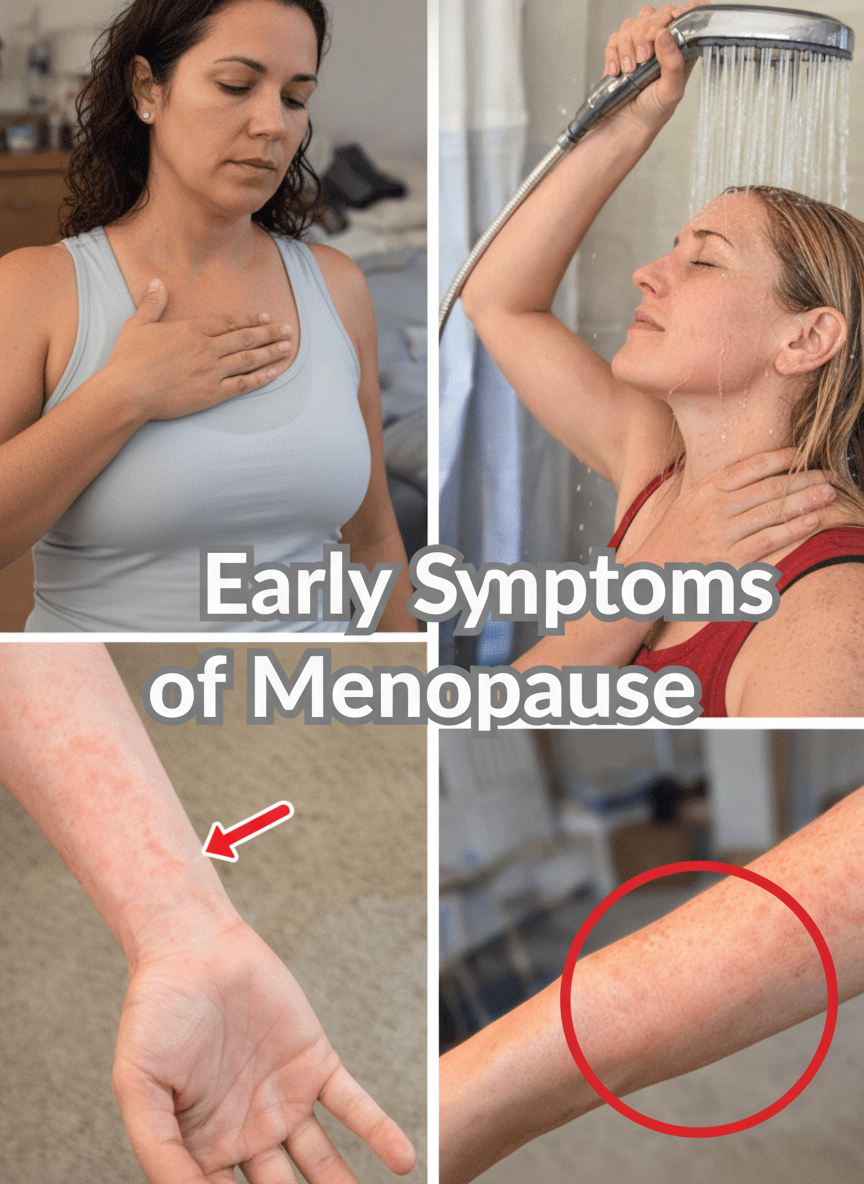
- Irregular Periods: Often the first clue. Cycles may shorten, lengthen, become heavier or lighter, or you might skip months. A consistent variation of more than seven days between periods can signal perimenopause.
- Hot Flashes & Night Sweats: Sudden waves of heat across your upper body, often with flushing and sweating. Night sweats can severely disrupt sleep, leading to next-day exhaustion.
- Mood Changes & Irritability: Increased anxiety, irritability, or frequent mood swings. Hormonal shifts can intensify these feelings, sometimes mimicking PMS but with greater frequency or severity.
- Sleep Problems: Difficulty falling asleep, staying asleep, or waking up too early is common. Night sweats often contribute to this frustrating cycle of fatigue.
- Vaginal Dryness & Discomfort: Lower estrogen levels can lead to thinner, drier vaginal tissues, causing discomfort during daily activities or intimacy.
- Low Libido: Many women report a noticeable decline in sexual desire or interest, often linked to physical changes and fatigue.
- Brain Fog & Memory Issues: Difficulty concentrating, forgetting simple things, or a general feeling of mental fogginess—a recognized part of hormonal transition that can be frustrating.
- Weight Gain or Body Shape Changes: A slower metabolism and shifts in fat distribution, especially around the abdomen, can occur even without major diet or exercise changes.
- Joint & Muscle Aches: Unexplained stiffness, soreness, or aches in joints and muscles may emerge, sometimes feeling like they worsen with age.
- Urinary Changes: More frequent urges, occasional leaks, or an increased risk of infections can result from thinning tissues in the urinary tract.
Beyond these, some women also notice dry skin, thinning hair, or breast tenderness. If several of these resonate, tracking them in a journal can provide valuable details for your doctor.
The Science Behind the Shifts
During perimenopause and early menopause, your ovaries gradually produce less estrogen and progesterone. This hormonal fluctuation disrupts the body’s usual balance, triggering the symptoms mentioned above. While the exact timing varies, these changes are a natural (though sometimes early) part of reproductive aging.
Actionable Steps to Manage Early Menopause Signs
While you can’t stop the transition, you can take proactive steps to ease symptoms and support your overall health:
- Track Your Symptoms: Use an app or notebook to log periods, hot flashes, mood, and sleep patterns. This data is invaluable for discussions with your healthcare provider.
- Consult Your Doctor: Don’t self-diagnose. A healthcare professional can confirm early menopause, rule out other conditions, and discuss treatment options like hormone therapy or other symptom management strategies.
- Prioritize Lifestyle:
- Diet: Focus on a balanced diet rich in fruits, vegetables, whole grains, and lean proteins. Limit processed foods, sugar, and excessive caffeine/alcohol.
- Exercise: Regular physical activity (e.g., walking, yoga, strength training) can help manage weight, improve mood, and support bone health.
- Stress Management: Practice mindfulness, meditation, deep breathing, or hobbies to reduce stress, which can exacerbate symptoms.
- Sleep Hygiene: Establish a consistent sleep schedule, create a cool and dark sleep environment, and avoid screens before bed.
- Stay Informed: Educate yourself about menopause. Understanding what’s happening can reduce anxiety and empower you to make informed decisions.
By recognizing the signs and taking proactive steps, you can navigate early menopause with greater confidence and maintain your quality of life.