 By admin
 As we age, many of us notice an unwelcome change: hair that was once thick and vibrant can become thin, dry, and harder to manage. More strands might appear on your pillow or in the shower, subtly eroding confidence. Yet, tucked away in family traditions are simple, nourishing hair care habits passed down through generations. One such routine, often dubbed “grandma’s hair oil method,” is experiencing a modern resurgence online. The true magic, however, lies not just in the oil itself, but in the consistent, daily practice behind it. By the end of this article, you’ll understand why this timeless routine is back in the spotlight and how you can safely embrace it at home.
Why Hair Changes as We Age
Hair transformations are a natural part of the aging process. Several factors contribute to how our hair evolves over time:
- Reduced natural oil production from the scalp.
- Slower hair growth cycles, leading to less density.
- Environmental damage from sun exposure and pollution.
- Frequent heat styling and the use of harsh hair products.
- Dietary and nutritional shifts.
Dermatological research indicates that hair follicles tend to shrink with age, producing finer strands. This explains why hair may feel less voluminous even without significant hair loss. Interestingly, many traditional cultures have long incorporated plant-based oils into their routine scalp care. While not a miraculous cure, these oils can play a role in maintaining moisture and supporting the overall health of the scalp and hair shaft. This brings us to the beloved “grandmother oil routine.”
The Traditional Hair Oil Routine Many Families Cherish
For many grandmothers, hair oiling was a cherished weekly ritual. They would gently warm a small amount of oil and massage it into the scalp. This practice offered multiple benefits for hair care:
- Providing essential moisture to a dry scalp.
- Helping to reduce breakage in brittle, dry strands.
- Improving hair’s manageability and texture.
- Promoting relaxation and potentially stimulating blood circulation in the scalp.
A crucial insight often overlooked is that the massage itself can be as vital as the oil. Gentle scalp massage may stimulate circulation around hair follicles. While results vary, some studies suggest that regular scalp massage could contribute to the appearance of thicker hair over time. Furthermore, traditional recipes often blended several natural oils to maximize conditioning benefits.
Common Oils Used in Homemade Hair Care Blends
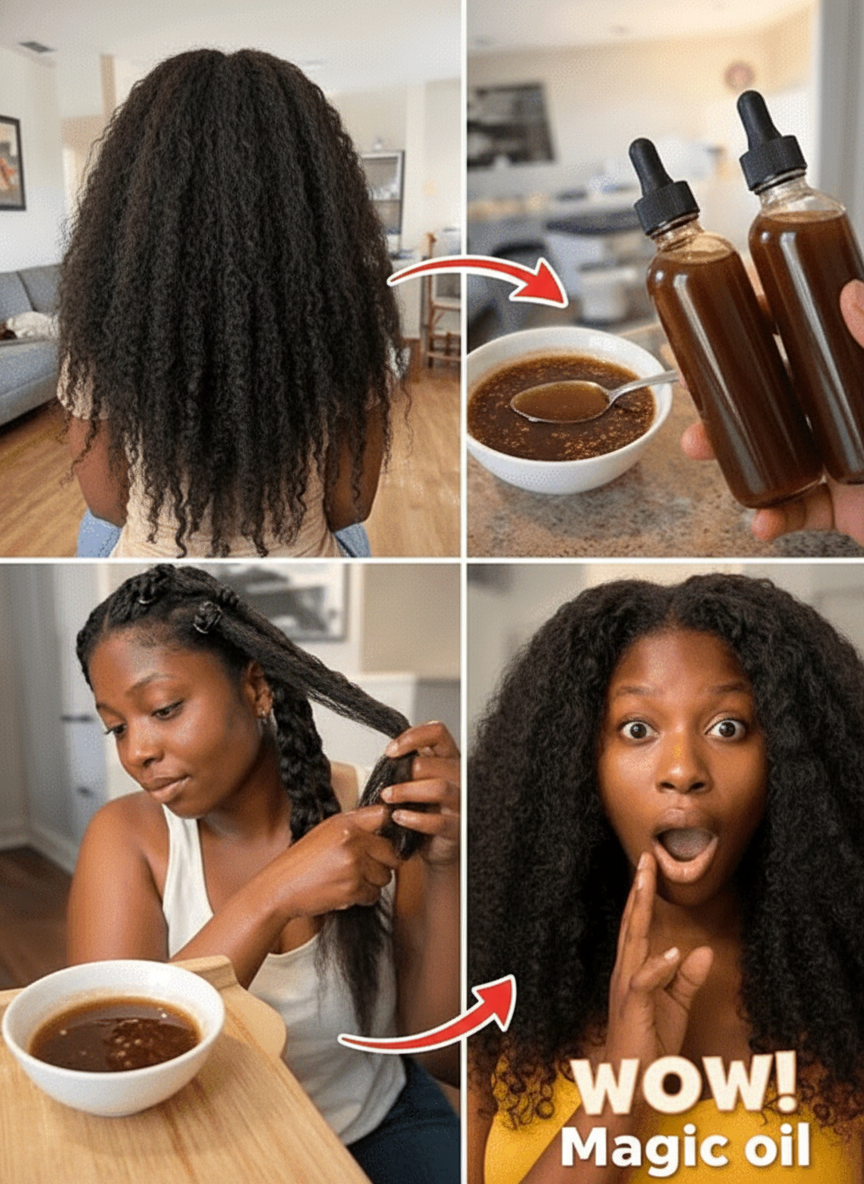
Different natural oils offer unique advantages for hair health:
| Oil Type | Key Benefit | Texture |
|---|---|---|
| Coconut Oil | Helps reduce protein loss in hair | Light |
| Castor Oil | Popular for scalp massage routines | Thick |
| Olive Oil | Adds moisture and natural shine | Medium |
| Almond Oil | Often used for softening hair | Light |
The aim is not to saturate the scalp, but to apply a modest amount and massage it in gently. Another key ingredient for success is consistency. Hair care habits typically yield noticeable results gradually over weeks or months, rather than overnight. This brings us to a simple routine you can adopt.
Step-by-Step: A Simple Hair Oil Routine at Home
If you’re ready to explore a traditional oiling routine, here’s a gentle method many find effective:
- Choose Your Oil: Select a lightweight natural oil like coconut, almond, or olive oil.
- Warm Gently: Heat a small amount slightly. It should feel comfortably warm, never hot.
- Section Hair: Part your hair into sections to ensure the oil reaches your scalp.
- Massage Scalp: Use your fingertips to massage your scalp in small circular motions for about five minutes.
- Nourish Ends: Apply a small amount to the ends of your hair if they feel dry.
- Rest & Rinse: Leave the oil on for 30 minutes or even overnight before washing your hair.
Useful Tip: Avoid applying excessive amounts. Too much oil can make hair difficult to wash and may potentially clog pores for some individuals. For best results, integrate this routine with other healthy daily habits.
Complementary Habits for Healthier Hair Over Time
Beyond products, lifestyle choices significantly impact your hair’s appearance and feel. Hair specialists often recommend these habits:
- Consuming balanced meals rich in protein and healthy fats.
- Staying well-hydrated by drinking enough water daily.
- Avoiding overly tight hairstyles that can pull on the scalp.
- Limiting the use of excessive heat styling tools.
- Sleeping on smoother fabrics like satin or silk to reduce friction.
”
}
“`