 By admin
 That familiar creak, the struggle with a jar lid, or the casual mention of daily medication – these are the subtle nudges of aging many of us recognize. While some changes are inevitable, what if simple daily habits, right in your kitchen, held a key to supporting your health as you grow older? Surprisingly, one of the most unassuming ingredients on your pantry shelf – olive oil – may offer profound benefits, often overlooked. Towards the end of this article, we’ll reveal a simple daily habit involving olive oil that many people miss.
Olive Oil: A Timeless Staple, Not a Miracle Cure
For millennia, communities around the Mediterranean Sea have cherished olive oil as a fundamental part of their daily meals. It was never seen as a magical remedy, but rather a normal, wholesome ingredient. Intriguingly, researchers studying long-lived populations consistently observe a pattern: regions with high olive oil consumption often adhere to the “Mediterranean dietary pattern.” This eating style is frequently linked to superior heart and metabolic health outcomes.
It’s crucial to understand: olive oil is not a medicine and does not replace medical care. However, its natural compounds can support several vital body systems when integrated into a balanced lifestyle. Why does olive oil matter? Because it’s rich in compounds nutrition scientists often highlight:
- Oleic acid: A healthy monounsaturated fat.
- Polyphenols: Natural plant compounds with potent antioxidant activity.
- Vitamin E: A nutrient essential for cellular protection.
These nutrients may help maintain normal body functions often challenged by aging. Many age-related health concerns share common threads: inflammation, metabolic stress, and lifestyle habits. Let’s explore how olive oil may offer support in these critical areas.
Supporting Metabolic Health and Blood Sugar Balance
As we age, the body’s efficiency in managing blood sugar levels can decline, potentially leading to metabolic issues like insulin resistance. The good news is that diet plays a significant role in maintaining metabolic equilibrium. Several nutritional studies suggest that substituting saturated fats with monounsaturated fats, like those in olive oil, may help support healthy blood sugar responses after meals. Researchers believe olive oil may contribute by:
- Slowing the digestion of carbohydrates.
- Helping to reduce sharp glucose spikes.
- Supporting insulin sensitivity when part of a balanced diet.
Importantly, in Mediterranean cultures, olive oil is rarely consumed in isolation. It’s typically paired with vegetables, legumes, whole grains, and fish. This synergistic combination appears to support metabolic health more effectively than any single food alone. The lesson is clear: the goal isn’t to add olive oil to an unhealthy diet, but to use it to replace less healthy fats in your everyday cooking.
Nurturing Heart and Circulation Wellness
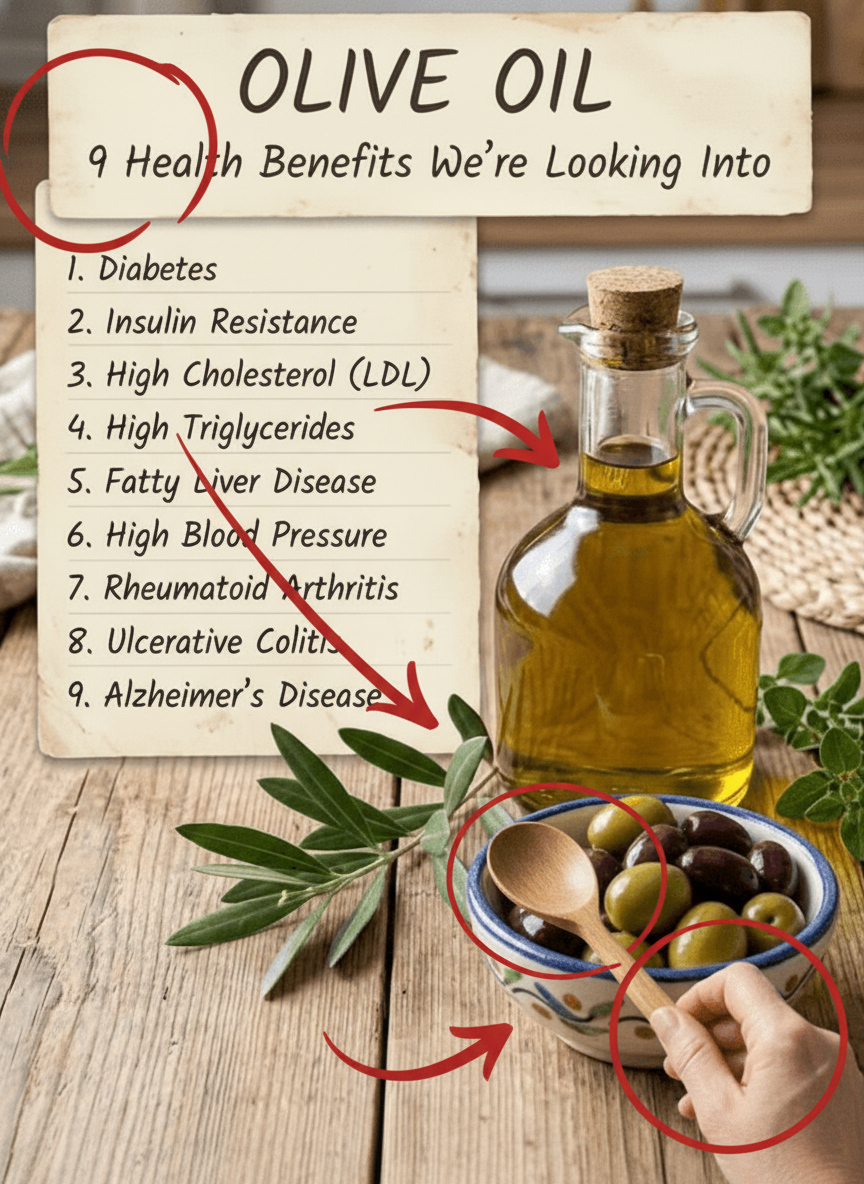
Concerns about heart and circulation health often become more prominent after age fifty, with many observing rising cholesterol or blood pressure during routine check-ups. This is where olive oil frequently enters the conversation. Research into Mediterranean dietary patterns indicates that olive oil consumption is associated with a healthier cholesterol balance. Specifically, studies suggest that diets rich in olive oil may help support:
- Healthy LDL cholesterol levels.
- Improved HDL cholesterol balance.
- Better vascular flexibility.
Simply put, olive oil may support the body’s natural ability to maintain healthy circulation. However, it’s vital to remember that lifestyle habits remain paramount:
- Regular physical activity.
- Balanced, whole-food meals.
- Maintaining a healthy body weight.
These habits work in concert with your nutritional choices. Consider olive oil a valuable supporting actor in your overall health narrative, not the sole hero.
Enhancing Joint Comfort and Inflammation Awareness
When older adults discuss daily discomforts, joint stiffness frequently tops the list – from morning stiffness to knee discomfort or finger swelling. These experiences are remarkably common with aging. Scientists believe that chronic low-level inflammation plays a significant role in many age-related discomforts. This is precisely where olive oil’s natural polyphenols become particularly interesting. Emerging research suggests that the anti-inflammatory properties of these compounds may contribute to supporting overall joint comfort and reducing inflammatory responses within the body.
The Simple Daily Habit You Might Be Missing
The “simple daily habit” isn’t about consuming large quantities of olive oil, but about making it your primary cooking fat. Replace butter, margarine, or other less healthy oils with extra virgin olive oil for sautéing, dressing salads, drizzling over vegetables, or even dipping whole-grain bread. By consistently choosing olive oil as your go-to fat, you naturally integrate its beneficial compounds into your diet, supporting your health journey as you age. It’s a small change with potentially significant, long-term rewards for your well-being.