 By admin
 Rosemary: Your Aromatic Ally for Health and Wellness
The plant in focus is rosemary (Rosmarinus officinalis, now classified as Salvia rosmarinus), a beloved fragrant Mediterranean herb. Revered for centuries, rosemary isn’t just a culinary delight; it’s also a staple in traditional wellness practices, celebrated for its potential to support overall health.
In our modern world, many grapple with common health challenges like maintaining healthy blood sugar, managing cholesterol, supporting liver function, or keeping blood pressure in check. While no single herb can cure these complex conditions, emerging research suggests rosemary may offer valuable supportive benefits as part of a balanced lifestyle.
This article delves into the science behind rosemary’s powerful compounds, exploring how this versatile herb could fit into your daily routine and simple ways to enjoy its rich flavor and potential health perks.
What Makes Rosemary a Wellness Powerhouse?
Rosemary is packed with potent bioactive compounds, including carnosic acid, rosmarinic acid, and other polyphenols. These act as powerful antioxidants, actively combating oxidative stress—a key factor in many chronic health issues. Studies highlight rosemary’s potential role in supporting several vital areas of wellness:
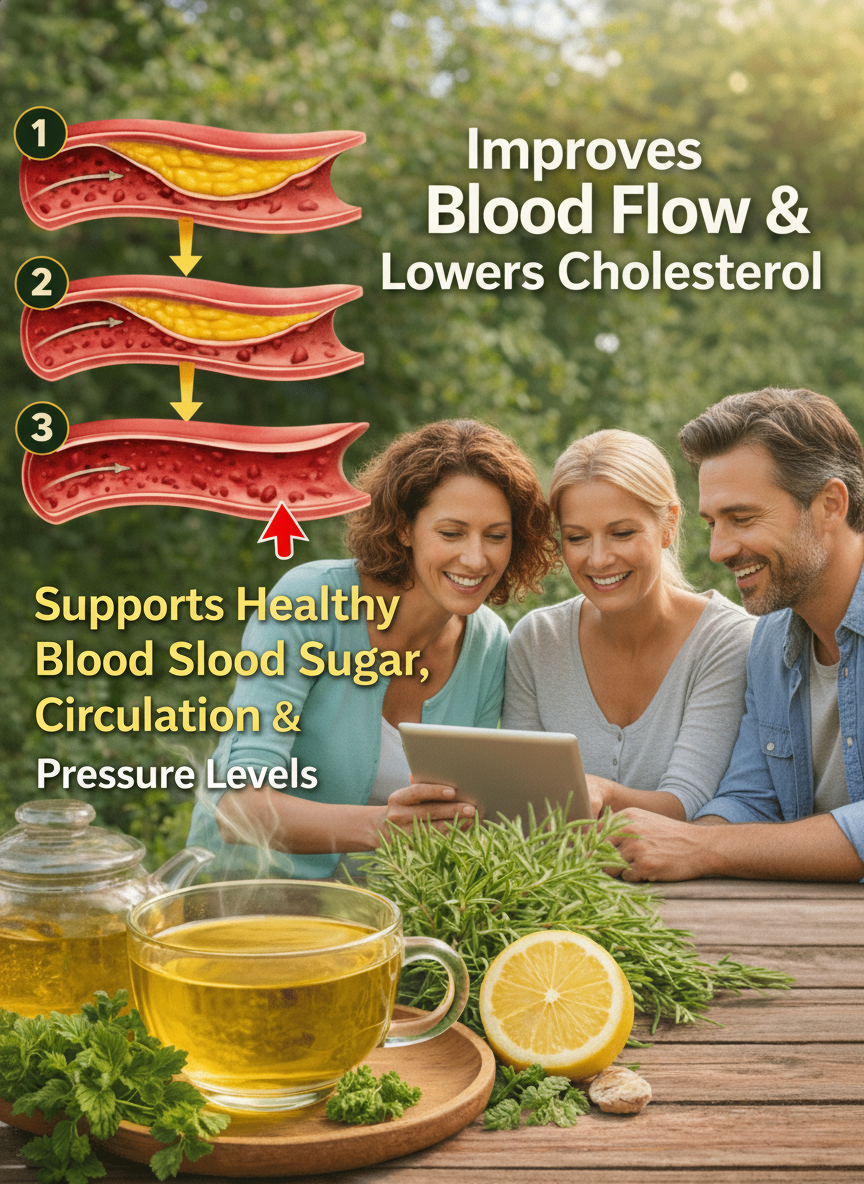
- Cardiovascular and Blood Flow Support: Research indicates rosemary may promote better circulation by helping to relax blood vessels. Preliminary human and animal studies suggest potential benefits for heart health and improved endothelial function.
- Cholesterol Management: Investigations show that rosemary powder or extracts might help in balancing lipid profiles, potentially lowering total cholesterol, triglycerides, and “bad” LDL cholesterol, while supporting “good” HDL levels.
- Blood Sugar Balance: In laboratory and animal models, rosemary compounds have exhibited insulin-like effects. Some human studies suggest it could assist in maintaining healthy glucose levels when integrated into a healthy diet.
- Liver Health: Rosemary’s hepatoprotective (liver-protecting) properties are noted in research, where it appears to help reduce oxidative stress in the liver and support its function, particularly in models of fatty liver conditions.
- General Antioxidant and Anti-inflammatory Protection: Its rich profile of compounds contributes to broad anti-inflammatory and cell-protective qualities, studied for their role in mitigating chronic inflammation linked to various conditions.
Beyond these specific benefits, rosemary’s versatility extends to enhancing overall vitality and adding a distinctive flavor to your meals.
Key Research Insights on Rosemary
A growing body of scientific evidence, including animal and in vitro (test tube) studies, demonstrates rosemary extract’s ability to influence lipid metabolism, reduce inflammation, and protect cells. Though limited, human trials have reported positive shifts in fasting glucose, insulin sensitivity, and lipid markers when rosemary supplementation is combined with lifestyle changes.
Traditional uses for digestion, circulation, and immune support are further reinforced by modern analysis of rosemary’s rich phytochemical content. While these findings are promising, it’s crucial to remember that much of the evidence comes from lab, animal, and small-scale human research. More large-scale clinical trials are needed to draw definitive conclusions about its efficacy in humans.
Simple Ways to Incorporate Rosemary into Your Daily Life
Integrating rosemary into your routine is easy and enjoyable. Here are some practical ideas:
- Brew a Soothing Tea: Steep 1 teaspoon of fresh or dried rosemary leaves in hot water for 5-10 minutes. Add a touch of lemon or honey to taste. Enjoy 1-2 cups daily as a calming ritual.
- Elevate Your Cooking:
- Sprinkle freshly chopped rosemary over roasted vegetables, meats, or potatoes.
- Infuse olive oil with rosemary sprigs for flavorful dressings, marinades, or bread dips.
- Create an all-purpose seasoning blend with dried rosemary, thyme, garlic powder, and black pepper.
- Explore Aromatherapy: Inhale diluted rosemary essential oil or add it to a diffuser. Some studies suggest its aroma can support mood and cognitive function, including focus. Always ensure safe dilution practices.
Remember to start with small amounts to gauge your body’s response. For optimal results, pair rosemary with a nutrient-rich diet, regular exercise, and effective stress management.
Rosemary at a Glance:
- Rich in antioxidants to combat oxidative stress.
- May support healthy cholesterol and blood sugar balance.
- Traditionally linked to improved circulation and liver wellness.
- Easy to grow at home or readily available fresh/dried.
- Adds bold flavor without extra calories or sodium.
Frequently Asked Questions
Is rosemary safe for daily use?
Yes, when consumed in typical culinary amounts, rosemary is generally considered safe for daily use. If you have specific health conditions or are taking medications, it’s always wise to consult with a healthcare professional before making significant dietary changes or starting any new herbal regimen.