 By admin
 If you’re in your 30s or early 40s and notice your body behaving differently—perhaps erratic periods or sudden night sweats—you might be experiencing the early stages of menopause. This transition, often confusing and disruptive, can impact your sleep, energy, confidence, and overall well-being. Recognizing these changes early is crucial for understanding your body and making informed choices. A simple habit like tracking your cycle can provide valuable insights, helping you feel more prepared as these shifts unfold.
What Early Menopause Actually Means
Early menopause refers to the natural hormonal transition that occurs before the age of 45. While the average age for menopause in the U.S. is around 51, any onset prior to this is considered early. This period, known as perimenopause, can span several years, bringing gradual changes driven by fluctuating hormone levels. Awareness of these shifts empowers you to have more productive conversations with your healthcare provider.
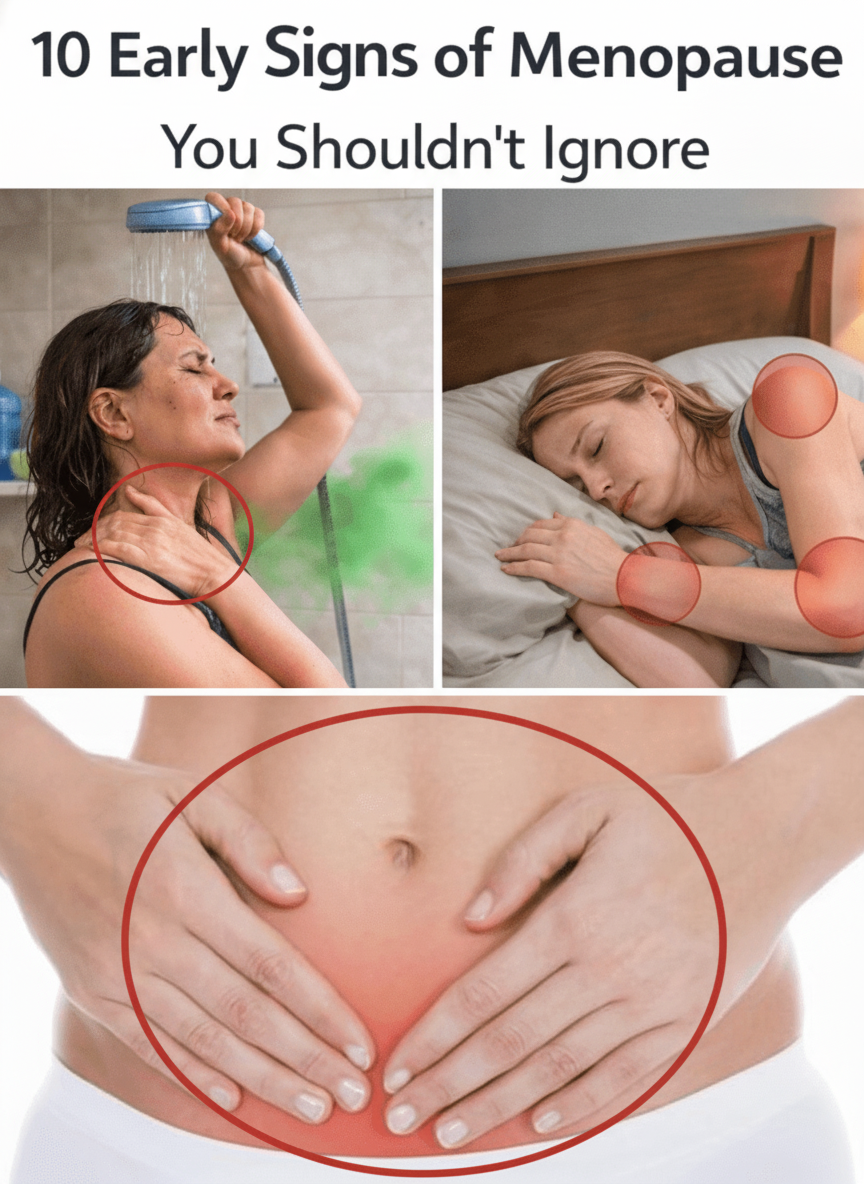
10 Early Signs You Shouldn’t Ignore
While every woman’s journey is unique, these are common indicators that signal the early stages of menopausal transition. Pay attention to these patterns in your body:
- Irregular Periods: Your menstrual cycle might become unpredictable—shorter, longer, lighter, or heavier. You may skip periods or experience spotting between them, often an early sign as ovulation becomes less regular. Tracking your cycle can quickly reveal these patterns.
- Hot Flashes: Sudden, intense waves of warmth across your face, neck, and chest, sometimes accompanied by flushing or a rapid heartbeat. These can be brief but disruptive. Dressing in layers and having a small fan handy can help manage them.
- Night Sweats: Similar to hot flashes, these occur during sleep, often drenching you and your bedding and fragmenting your rest. They are directly linked to hormonal shifts. Opting for breathable bedding and a cooler bedroom can improve sleep quality.
- Vaginal Dryness and Discomfort: Declining estrogen levels can lead to dryness, itching, or discomfort, affecting daily activities and intimacy. Over-the-counter lubricants or moisturizers can provide relief; discuss options with your doctor.
- Sleep Disturbances: Even without night sweats, you might find it harder to fall asleep, stay asleep, or wake up feeling unrested. These issues often accompany other perimenopausal symptoms. Establishing a consistent, relaxing bedtime routine can be beneficial.
- Mood Changes: Increased irritability, anxiety, or sudden emotional shifts are common. These fluctuations can be linked to hormonal changes and disrupted sleep. Gentle exercise and mindfulness practices can help maintain emotional balance.
- Unexplained Weight Gain: Many women notice weight gain, particularly around the midsection, even without significant changes in diet or activity. A slower metabolism due to shifting estrogen plays a role. Prioritize strength training and balanced, nutrient-rich meals.
- Joint and Muscle Aches: You might experience new or increased stiffness and aches in your joints and muscles—such as shoulders, knees, or back—without any apparent injury.
- Brain Fog and Memory Lapses: Difficulty concentrating, forgetfulness, or a general sense of mental fogginess can become more noticeable. This cognitive shift is often linked to fluctuating hormone levels.
- Changes in Libido: A noticeable decrease in sex drive or interest in intimacy is a common symptom during this hormonal transition.