 By admin
 High Cholesterol: Unmasking the Silent Threat and Taking Proactive Steps for Your Health
Many people unknowingly live with high cholesterol, a common condition that often shows no clear symptoms until serious complications arise. This silent progression can lead to overlooked signs like everyday fatigue or minor discomforts, allowing arterial plaque buildup to advance unnoticed and heighten health risks over time. Fortunately, by understanding potential indirect indicators and adopting simple monitoring habits, you can take informed steps toward better health awareness.
What Exactly Is High Cholesterol and Why Does It Matter?
High cholesterol refers to elevated levels of a fatty substance crucial for cell building and hormone production. However, too much of the “bad” type, known as LDL (low-density lipoprotein), can lead to plaque formation in your arteries—a process called atherosclerosis. This arterial narrowing restricts blood flow and often develops without any noticeable signs. The Mayo Clinic highlights that millions worldwide are affected by high cholesterol, yet many remain undiagnosed due to a lack of routine health checks. Understanding these basics is fundamental to recognizing why early awareness is so vital.
Debunking Common Myths About High Cholesterol Symptoms
A widespread misconception is that high cholesterol directly causes obvious discomforts like persistent headaches or digestive issues. In reality, as noted by the Cleveland Clinic, high cholesterol itself typically doesn’t produce direct symptoms. Instead, any signs usually stem from related cardiovascular complications. Another common myth is that only older adults need to be concerned. However, studies from the British Heart Foundation confirm that lifestyle factors can impact anyone at any age. Dispelling these myths empowers you to act preventively and seek timely medical advice.
Potential Indirect Signs Linked to High Cholesterol Complications
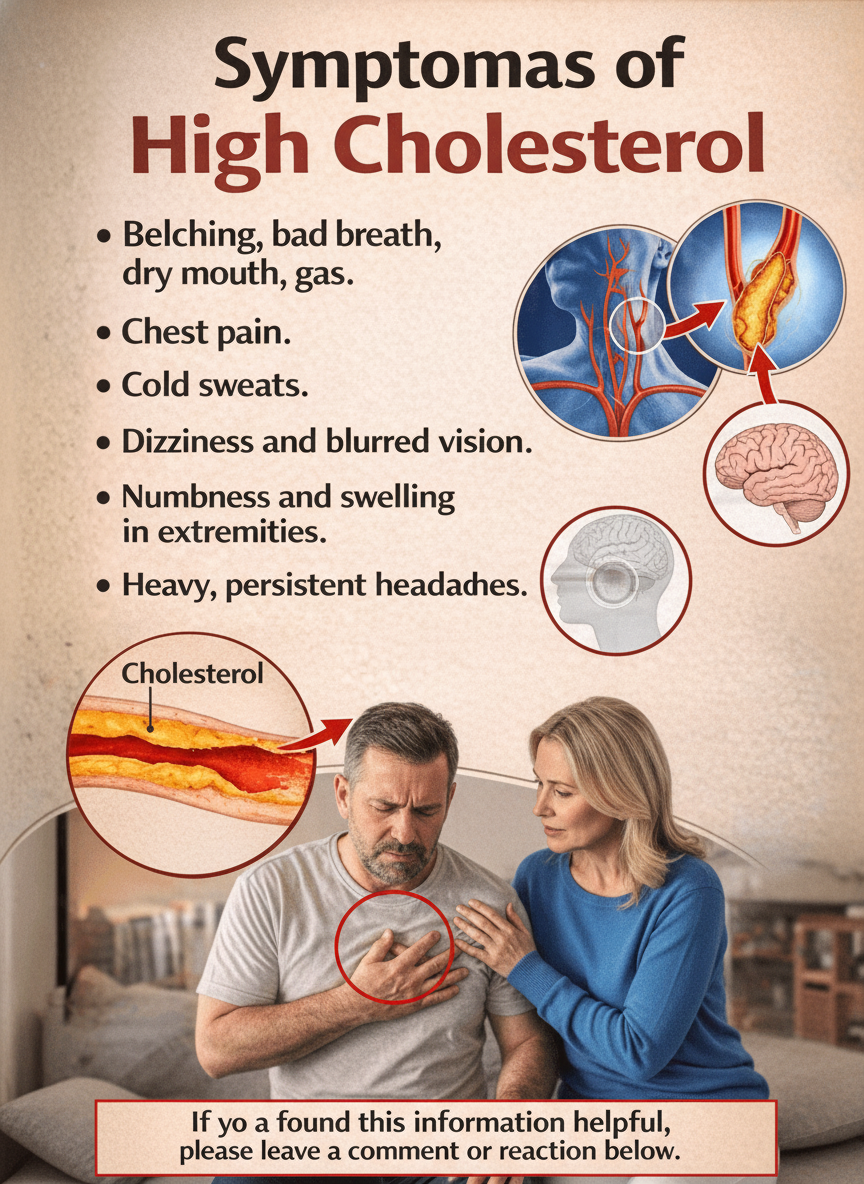
While high cholesterol itself is often asymptomatic, the arterial damage it causes can manifest in various ways. These aren’t direct cholesterol symptoms, but rather indicators of impaired blood flow:
- Chest Discomfort: Reduced blood flow to the heart might cause discomfort or pain during physical activity.
- Shortness of Breath: Experiencing breathlessness, especially with minimal exertion, could signal underlying artery concerns, as explained by resources from the National Heart, Lung, and Blood Institute (NHLBI).
- Leg Pain/Cramps: Pain or cramping in the legs while walking can be a sign of peripheral artery disease (PAD), where arteries in the limbs narrow.
- Visible Indicators (Rare): In cases of very high, often genetic, cholesterol levels, yellowish bumps on the skin (xanthomas) or white/grey rings around the iris (arcus senilis) may appear, according to MedlinePlus.
- Numbness or Coldness: Sensations of numbness or cold in the extremities can occur if circulation is significantly affected.
- General Fatigue or Heaviness: Persistent tiredness or a feeling of heaviness, though often overlooked, can be connected to overall cardiovascular strain.
- Swelling in Legs/Feet: Edema in the lower limbs can sometimes be linked to poor circulation.
It’s crucial to remember that these signs are not definitive proof of high cholesterol but rather prompts to consult a healthcare professional for proper evaluation.
How to Check for High Cholesterol: A Step-by-Step Guide
The most reliable way to assess your cholesterol levels is through a simple blood test called a lipid panel:
- Schedule a Doctor’s Visit: Contact your healthcare provider. They will likely recommend fasting (no food or drink other than water) for 9-12 hours before the test for accurate results.
- Blood Sample: During the appointment, a small blood sample will be drawn, typically from a vein in your arm.
- Review Results: Discuss your results with your doctor. Generally, target levels based on American Heart Association guidelines are:
- Total Cholesterol: Under 200 mg/dL
- LDL (“Bad”) Cholesterol: Below 100 mg/dL
- HDL (“Good”) Cholesterol: Above 60 mg/dL
Regular monitoring and open communication with your healthcare provider are key to managing your cholesterol and supporting your long-term well-being.