 By admin
 Unmasking Amlodipine’s Hidden Triggers: Foods That Worsen Side Effects and Smart Swaps
Battling bothersome amlodipine side effects like swollen ankles, facial flushing, or unexpected dizziness can be incredibly frustrating. These symptoms often persist despite medication and lifestyle efforts, leaving you uncomfortable and self-conscious. What if everyday foods are secretly intensifying these side effects without you realizing it? This article reveals key foods linked to worsening amlodipine side effects and offers practical swaps to help you feel better and regain confidence.
🍊 Food #1: Grapefruit & Grapefruit Juice – The Hidden Culprit
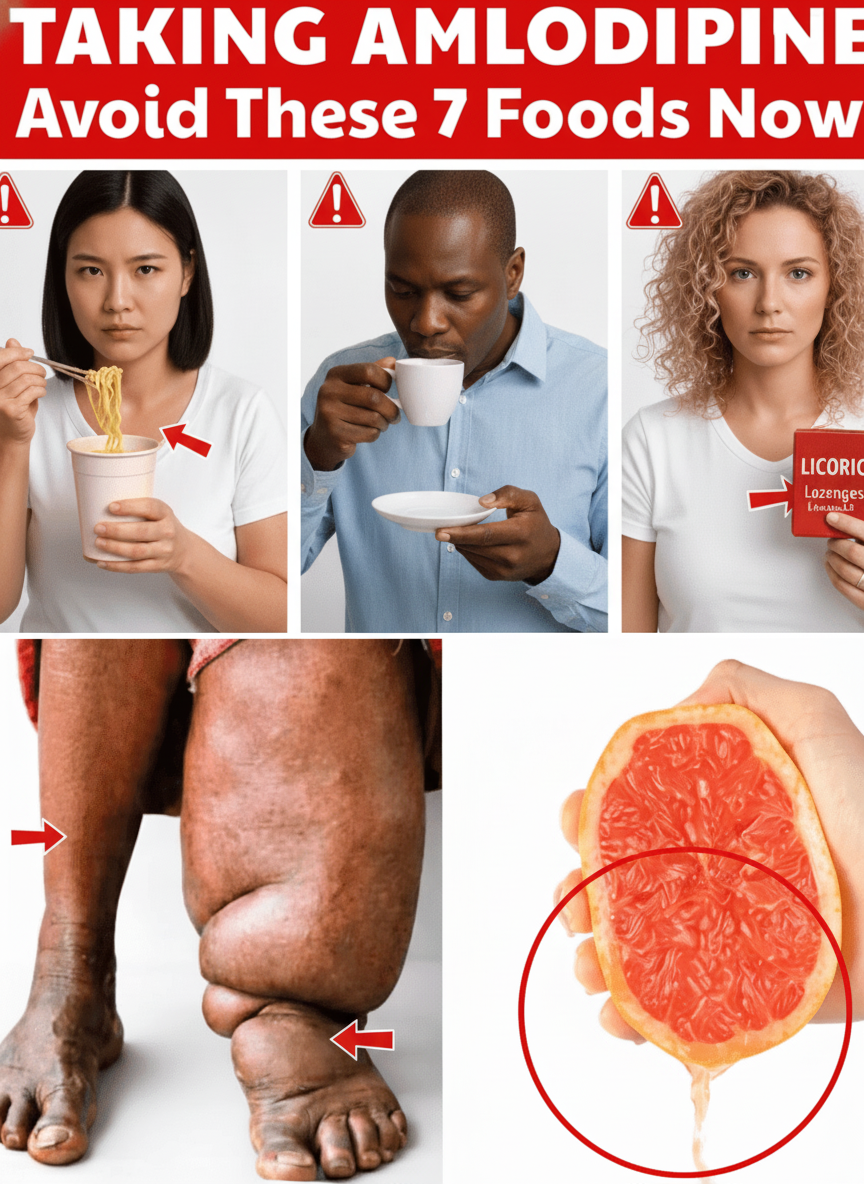
Grapefruit and its juice are popular for their refreshing taste, yet they can significantly amplify amlodipine’s impact. Compounds in grapefruit inhibit an enzyme crucial for amlodipine metabolism, leading to elevated drug levels in your bloodstream. This can intensify side effects such as ankle swelling, flushing, and dizziness. Even a small amount of grapefruit juice can affect amlodipine levels for hours. If your symptoms worsen after consuming citrus, grapefruit might be the cause.
Smart Swaps:
- Opt for oranges or tangerines for similar vitamin C benefits.
- Add lemon slices to water for a tangy flavor without the risk.
- Explore other fresh fruits to diversify your diet.
Many individuals report noticeable improvement in their amlodipine side effects after removing grapefruit from their diet.
🧂 Food #2: High-Sodium Foods – The Swelling Supercharger
Hidden sodium in processed foods like chips, canned soups, deli meats, and sauces can significantly exacerbate amlodipine’s peripheral edema. Excess salt encourages your body to retain fluid, which, combined with the medication’s vessel-relaxing effects, leads to more pronounced and uncomfortable swelling in your lower legs and ankles. High sodium intake, common in many diets, makes managing amlodipine side effects more challenging.
Quick Tips to Reduce Sodium:
- Prioritize “low-sodium” options by carefully checking food labels.
- Enhance meal flavors with herbs, garlic, and lemon instead of salt.
- Choose fresh or frozen vegetables over canned varieties.
Adopting these habits can effectively alleviate persistent swelling linked to amlodipine.
🍷 Food #3: Alcohol – The Blood Pressure Double-Edged Sword
While an occasional alcoholic drink might seem relaxing, it can considerably amplify amlodipine side effects. Alcohol, being a vasodilator itself, can synergize with amlodipine, potentially causing a rapid drop in blood pressure, leading to dizziness, flushing, and lightheadedness. Dehydration induced by alcohol can also concentrate the medication, intensifying its effects. Darker alcoholic beverages may contain additional compounds that contribute to headaches. If you experience increased dizziness or flushing after consuming alcohol, it might be exacerbating your amlodipine side effects.
Better Alternatives:
- Opt for sparkling water with lemon or lime.
- Explore herbal teas or non-alcoholic versions of your preferred beverages.
- If you choose to indulge rarely, limit intake and always consume with food.
These adjustments can help stabilize your experience with amlodipine.
🍬 Food #4: Licorice (Natural or Candy) – The Sneaky Blood Pressure Raiser
Licorice, found in candies, teas, and supplements, contains compounds that encourage sodium retention and potassium loss. This directly counteracts the therapeutic effects of amlodipine and can worsen its side effects. It may intensify swelling (edema) and negatively impact blood pressure stability, contributing to increased fatigue and discomfort.
Remember, while these dietary adjustments can be beneficial, always consult your healthcare provider before making significant changes to your diet or medication regimen. Understanding these interactions empowers you to better manage your amlodipine side effects and improve your overall well-being.