 By admin
 Every day, countless individuals experience symptoms that raise a quiet alarm. Often, these are dismissed as minor aches, stress, or just “getting older.” While sometimes that’s true, doctors warn that overlooking certain persistent signs can be a fatal mistake. The difference between early detection and a late diagnosis can profoundly impact treatment outcomes and even survival.
As medical professionals, we’ve witnessed firsthand the critical importance of recognizing cancer’s subtle whispers. This article provides crucial insights into 10 common cancer warning symptoms, drawing directly from the clinical guidelines set by the National Institutes for Health and Care Excellence (NICE). Knowing these signs is your most powerful early warning system.
1. Colorectal (Bowel) Cancer
Often subtle in its early stages, colorectal cancer can be easily overlooked. Pay close attention to these combinations:
- If you’re over 40: Unexplained weight loss combined with abdominal pain requires urgent investigation.
- If you’re 50 or older: Unexplained rectal bleeding warrants an urgent referral.
- If you’re 60 or over: Iron deficiency anemia or persistent changes in bowel habits (e.g., more/less frequent, altered stool consistency) demand urgent assessment.
2. Lung Cancer
While smoking is a major risk factor, lung cancer affects non-smokers too, presenting with similar symptoms. Seek immediate medical advice if you experience:
- A persistent cough lasting more than three to six weeks.
- Coughing up blood (hemoptysis).
- Unexplained breathlessness, fatigue, weight loss, or chest pain.
Your GP should arrange a chest X-ray within two weeks if these symptoms are present.
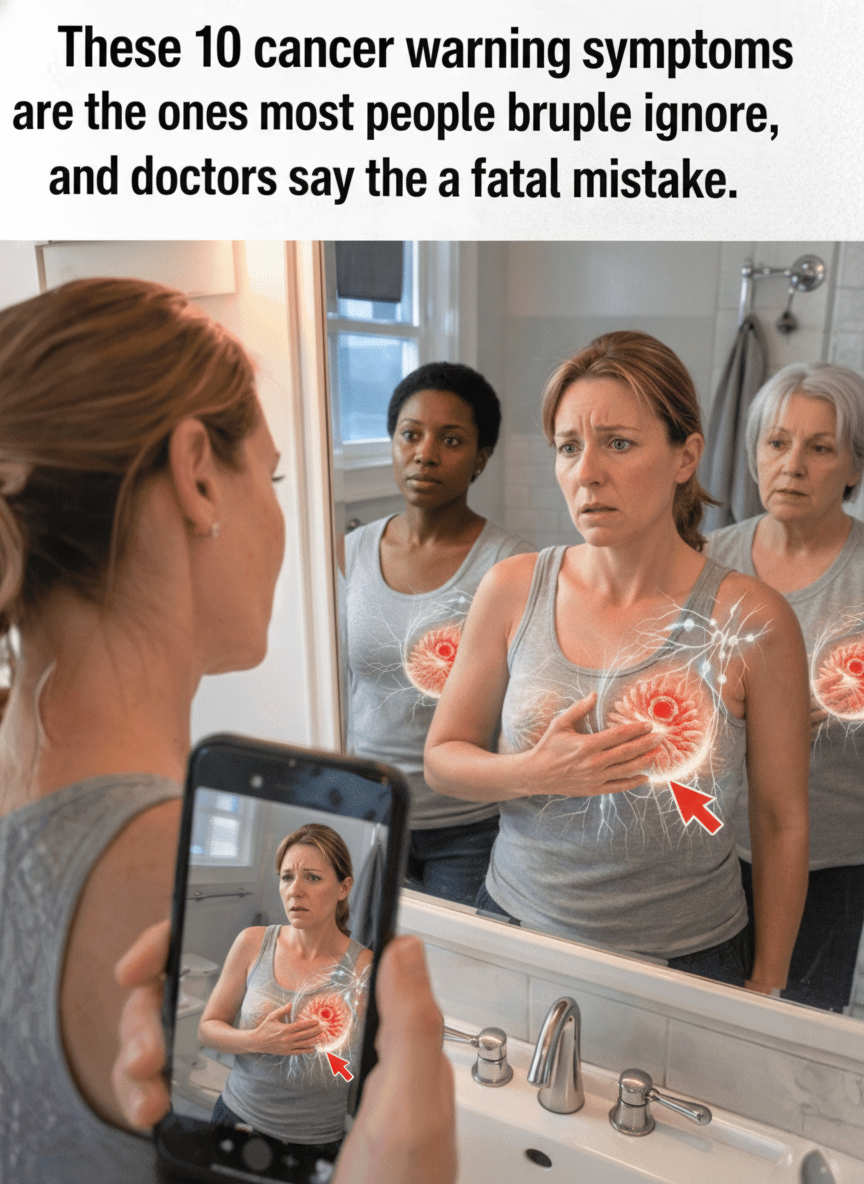
3. Breast Cancer
The most common cancer, affecting both men and women, requires vigilance for:
- A new, unexplained lump in the breast.
- Skin changes such as puckering, dimpling, redness, or an orange peel texture.
- Nipple changes, including inversion or unexplained discharge.
If you notice any changes that persist beyond your next menstrual cycle, consult a doctor. Regular breast self-checks are vital for early detection.
4. Ovarian Cancer
Known as the “silent killer,” ovarian cancer symptoms are often vague and can be mistaken for digestive issues or stress. Be alert to:
- Persistent bloating.
- Feeling full quickly.
- Pelvic pain.
- Urinary issues like frequent or urgent urination.
If these symptoms occur more than 12 times a month and are new to you, they warrant a doctor’s examination. While risk increases after age 50, younger women can also be affected.
5. Bladder and Urological Cancers
Any sign of blood in your urine (hematuria) necessitates an immediate visit to your GP, even if it’s a small amount. Other symptoms requiring assessment include changes in urinary flow or frequency, especially if you have risk factors like smoking.
6. Skin Cancer
Melanoma, the most dangerous form of skin cancer, can spread rapidly if not detected early. Use the ABCDE rule to identify suspicious moles:
- Asymmetry: One half doesn’t match the other.
- Border irregularity: Edges are ragged, notched, or blurred.
- Color variation: Different shades of tan, brown, black, or even red, white, or blue.
- Diameter: Larger than 6mm (about the size of a pencil eraser).
- Evolution: Any change in size, shape, color, elevation, or any new symptom like bleeding, itching, or crusting.
Any new or changing mole, or a sore that doesn’t heal, particularly in sun-exposed areas, should be checked by a doctor without delay.
Frequently Asked Questions (FAQ)
1. How can I tell when I should see a doctor about my symptoms?
If you have a symptom that lasts more than a few weeks without a clear explanation, it’s time to seek medical advice. Pay attention to a combination of symptoms or any changes to your usual health patterns.
2. Can cancer be detected early?
Absolutely. Early detection of cancer is highly possible when you are aware of the warning signs and don’t ignore persistent symptoms. Catching cancer early significantly improves treatment outcomes and chances of recovery.
3. What can I do to reduce my cancer risk?
Maintaining a healthy lifestyle, including a balanced diet, regular exercise, maintaining a healthy weight, and avoiding smoking, is one of the most effective ways to reduce your overall cancer risk.