 By admin
 Soursop (Graviola) for Prostate Health: Unpacking the Science and What You Need to Know
Many men over 50 quietly navigate prostate concerns that can affect daily comfort, sleep quality, and overall well-being. While standard medical approaches remain the foundation, there’s growing interest in natural options like soursop (also known as graviola or Annona muricata) for potential supportive roles in prostate wellness. But what does the scientific evidence truly suggest, and is it worth exploring?
This article delves into emerging research findings, potential mechanisms, and crucial considerations, offering insights that could inform your next conversation with a healthcare provider.
Understanding Soursop and Its Traditional Roots
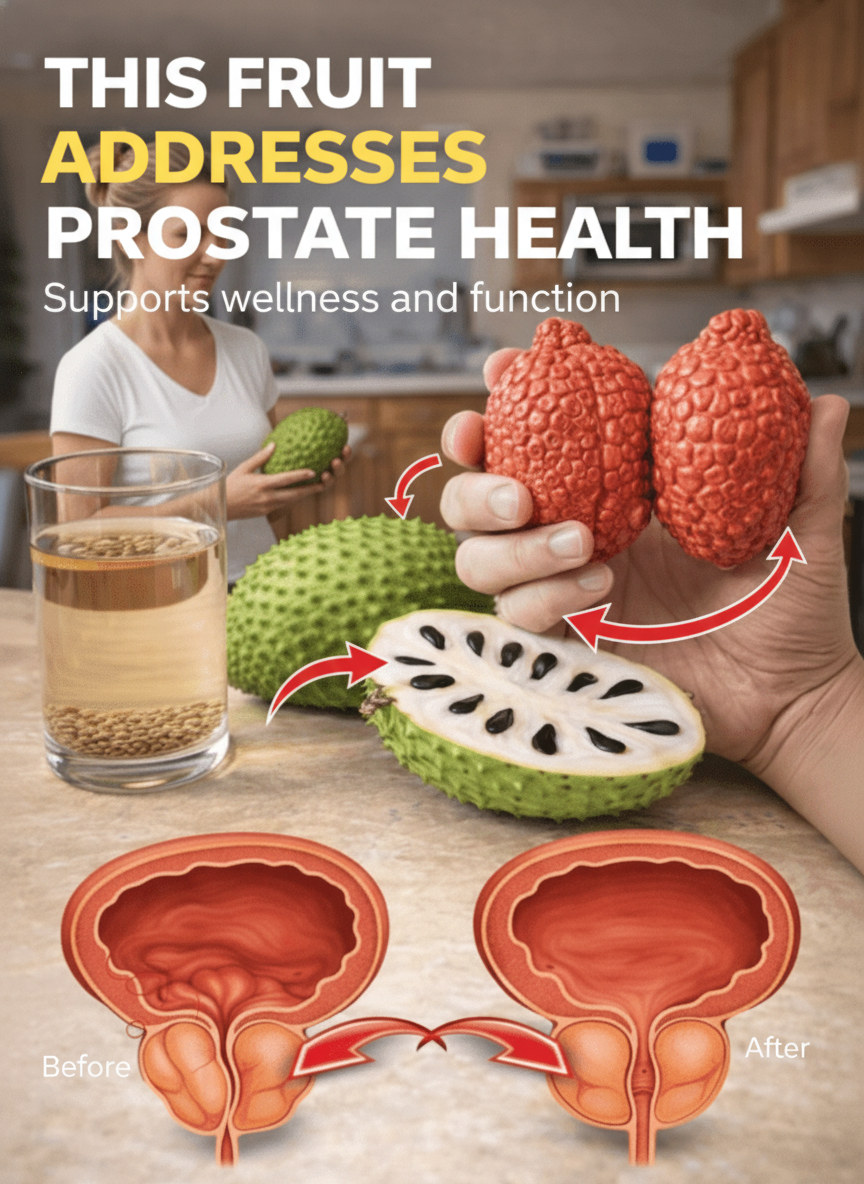
Soursop is a tropical fruit with a distinctive spiky green exterior and creamy white flesh, native to parts of Central and South America, the Caribbean, and Africa. Known for its sweet-tart flavor, the fruit, leaves, and seeds have been used in traditional herbal practices for generations to support urinary health and general vitality. Modern scientific interest stems from its rich profile of bioactive compounds, including unique acetogenins, flavonoids, and alkaloids, which laboratory studies suggest may influence cellular processes related to inflammation and oxidative stress—factors often implicated in prostate issues.
Early Research: Insights from Lab and Animal Studies
Preliminary laboratory and animal investigations have explored soursop’s effects on prostate-related cells, offering intriguing observations:
- Antiproliferative Activity: Extracts from graviola leaves and fruit have shown antiproliferative activity in cell cultures, meaning they appeared to slow the growth of certain prostate cell lines without broadly harming healthy cells in some models.
- BPH Models: In rat models induced with testosterone to mimic benign prostatic hyperplasia (BPH), certain fractions of soursop seeds or leaves reduced prostate weight, improved antioxidant status, and modulated inflammatory markers.
- Cellular Stress Response: Other research examined hypoxia (low oxygen) conditions in prostate cancer cell lines, where graviola pulp extract reduced NADPH oxidase activity (a process tied to cell proliferation) and lowered clonogenic potential (the ability of cells to form colonies). These effects occurred alongside reduced HIF-1α levels, a protein involved in cellular adaptation to stress.
Key compounds often highlighted in these studies include:
- Acetogenins: Unique to the Annonaceae family, these may interact with cellular energy pathways.
- Flavonoids and other antioxidants: Supporting overall cellular health.
- Alkaloids: Contributing to potential anti-inflammatory effects.
Crucial Caveat: These findings are predominantly from test tubes and animal studies. Human evidence remains extremely limited, and results cannot be directly translated to people yet.
Potential Mechanisms: How Soursop Might Work
Researchers point to several theoretical ways soursop compounds could benefit prostate health:
- Antioxidant Support: Helping neutralize free radicals that contribute to oxidative stress in prostate tissue.
- Anti-inflammatory Effects: Modulating pathways that drive swelling and discomfort in enlarged prostates.
- Cellular Regulation: Influencing processes like apoptosis (programmed cell death) in abnormal cells, as seen in some lab models.
While in silico (computer modeling) evaluations have also suggested binding affinity to certain prostate-related targets, hinting at future drug development possibilities, these mechanisms are still under rigorous exploration. No large-scale human trials confirm these actions translate to real-world prostate benefits.
Key Considerations and Safe Integration
If you are curious about adding soursop as part of a balanced lifestyle, it is vital to approach it with caution and informed decision-making. Soursop should be viewed as a complementary approach and never a replacement for conventional medical diagnosis or treatment for prostate issues. Always consult with your healthcare provider before adding any new supplement or natural remedy to your routine, especially if you have existing health conditions or are taking medications. They can offer personalized advice, discuss potential interactions, and ensure it aligns with your overall health plan. While soursop fruit can be enjoyed as part of a healthy diet, extracts and concentrated forms require professional guidance due to varying potencies and limited human safety data.