 By admin
 Toothache SOS: 9 Quick Home Remedies for Instant Relief
That familiar, throbbing ache in your tooth can strike without warning, turning a perfectly normal day into a miserable ordeal. Eating, sleeping, and even concentrating become monumental tasks when tooth pain sets in. Often, the discomfort is a symptom of inflammation, trapped food particles, or heightened sensitivity, leaving you desperate for any immediate relief while you wait for a dental appointment.
Many people turn to simple, time-tested home remedies to quickly take the edge off. It’s crucial to remember: these methods offer temporary comfort and do not address the underlying cause. However, they can provide noticeable relief in just minutes – and one natural option often stands out as a surprising game-changer (we’ll reveal it below!).
Why Toothaches Demand Quick Action
Tooth pain isn’t just an annoyance; it’s your body’s urgent signal that something needs attention, whether it’s nerve irritation or gum inflammation. Ignoring it can lead to worsening conditions. Acting swiftly with gentle, evidence-informed steps can help calm the situation until professional help is available. Research from reputable sources like the Mayo Clinic and Healthline confirms that basic oral hygiene adjustments and cooling techniques can significantly reduce immediate pain.
Let’s explore 9 practical ways to find some peace right now.
-
Rinse with Warm Salt Water for Fast Soothing
This classic first step is both simple and effective. Salt acts as a natural cleanser, helping to dislodge debris and reduce mild swelling. Mix 1/2 teaspoon of salt into 8 ounces of warm water. Swish gently for 30 seconds, then spit (do not swallow). Repeat every few hours as needed. Dental experts note this helps reduce bacteria and inflammation quickly, often providing noticeable relief within minutes.
-
Apply a Cold Compress to Numb the Area
Cold is one of the fastest ways to dull sharp pain, especially if swelling is present. Wrap ice cubes or a frozen bag of vegetables in a thin cloth. Hold it against your cheek near the sore tooth for 15-20 minutes, taking breaks to avoid skin irritation. The cold constricts blood vessels, reducing throbbing – a method recommended by WebMD and Cleveland Clinic for trauma-related discomfort.
-
Use Over-the-Counter Pain Relievers Wisely
For many, standard pain relievers offer the most reliable short-term help. Options like ibuprofen (for inflammation) or acetaminophen (for general pain) should be taken strictly as directed on the label. Never place aspirin directly on your gums, as it can cause chemical burns. Dentists often suggest these as they effectively target pain signals, providing much-needed respite.
-
Clove Oil for Natural Numbing (The Standout Option!)
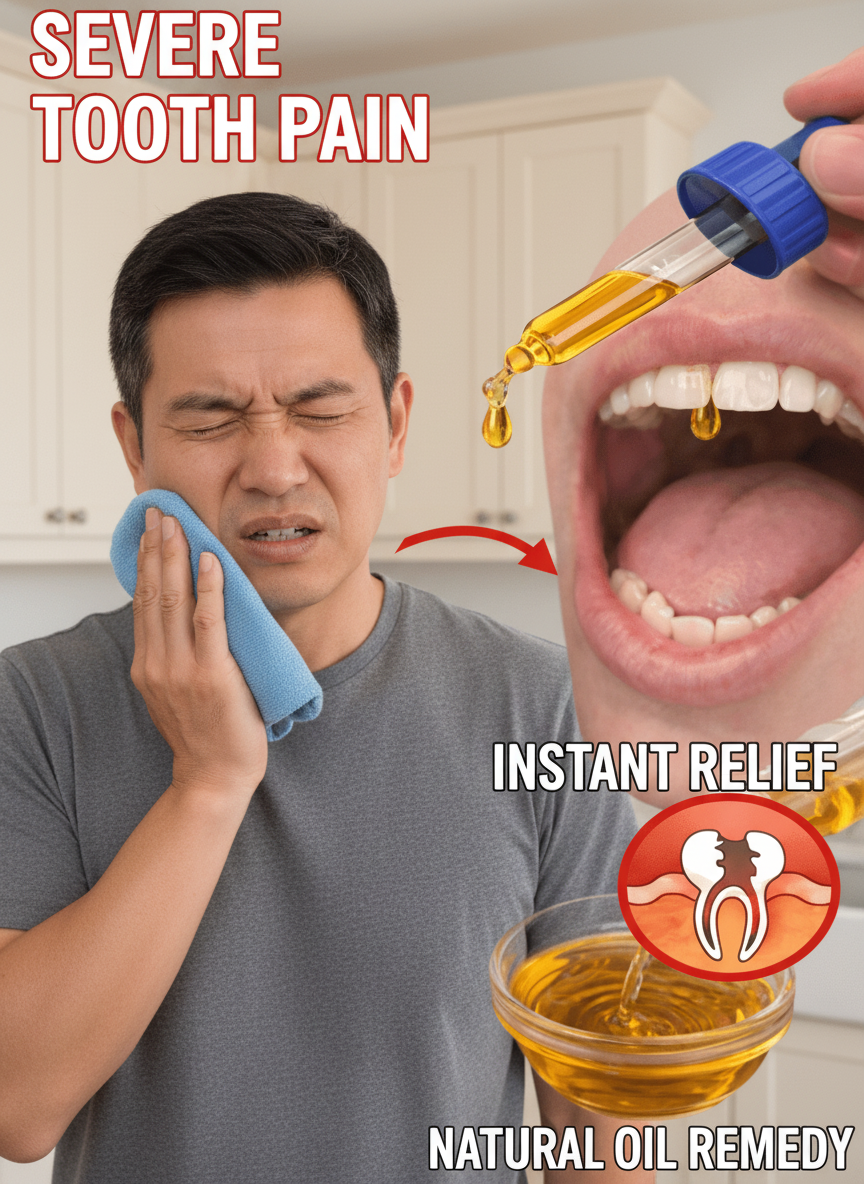
Clove oil remains a popular choice due to its active compound, eugenol, which possesses natural numbing and soothing properties. Dilute a drop or two with a carrier oil (like olive oil) if you have sensitive skin. Dab a small amount onto a cotton ball and apply gently to the affected area. Use sparingly to prevent irritation. Research, including older studies comparing it to topical anesthetics, supports its temporary numbing effect – many users report fast-acting relief.

-
Sip Cooled Peppermint Tea and Apply the Bag
Peppermint’s menthol offers a refreshing cooling sensation that can distract from discomfort. Brew a peppermint tea bag, then let it cool completely. Place the cooled bag directly on the sore spot for a few minutes. Its mild numbing and anti-inflammatory hints make this a soothing addition to your relief arsenal.
-
Rinse Gently with Diluted Hydrogen Peroxide
This can help clean the area and alleviate irritation caused by bacteria. Mix equal parts 3% hydrogen peroxide and water. Swish for 30 seconds, spit thoroughly, and then rinse your mouth with plain water. Never swallow the solution. Experts note it may temporarily reduce plaque and support gum comfort.
-
Gently Floss and Rinse to Remove Hidden Irritants
Sometimes, tooth pain stems from tiny food particles trapped between teeth or under the gumline, causing pressure and irritation. Carefully use dental floss around the affected area. Follow with a plain warm water rinse. Clearing debris often brings instant ease.
-
Elevate Your Head While Resting
Simple positional changes can make a significant difference, especially overnight. Prop your head up with extra pillows to reduce blood flow to the head. This helps lessen the throbbing sensation when lying down, a common complaint during toothaches.
-
Stick to Soft Foods and Avoid Triggers
While waiting for your dental appointment, protect the sensitive area. Opt for soft foods like yogurt, soup, or mashed items. Crucially, avoid very hot, cold, sweet, or acidic foods and drinks, as these can exacerbate pain and sensitivity.
When to See a Dentist
These home remedies are excellent for temporary relief, but they are not a substitute for professional dental care. If your toothache persists for more than a day or two, is severe, or is accompanied by fever, swelling, or difficulty breathing/swallowing, seek immediate dental attention. A dentist can diagnose the underlying problem and provide the necessary treatment to resolve your pain permanently.