 By admin
 Unearthing Bledo Blanco: The Forgotten “Weed” with Superfood Potential
You’ve likely encountered Bledo Blanco countless times, perhaps even yanking it from your garden, convinced it was just another pesky weed. Many are surprised, even a little embarrassed, to discover that this humble plant, so often discarded, has quietly nourished traditional diets for generations. By the end of this article, your perception of this ordinary green might be transformed.
What is Bledo Blanco? More Than Just a Weed
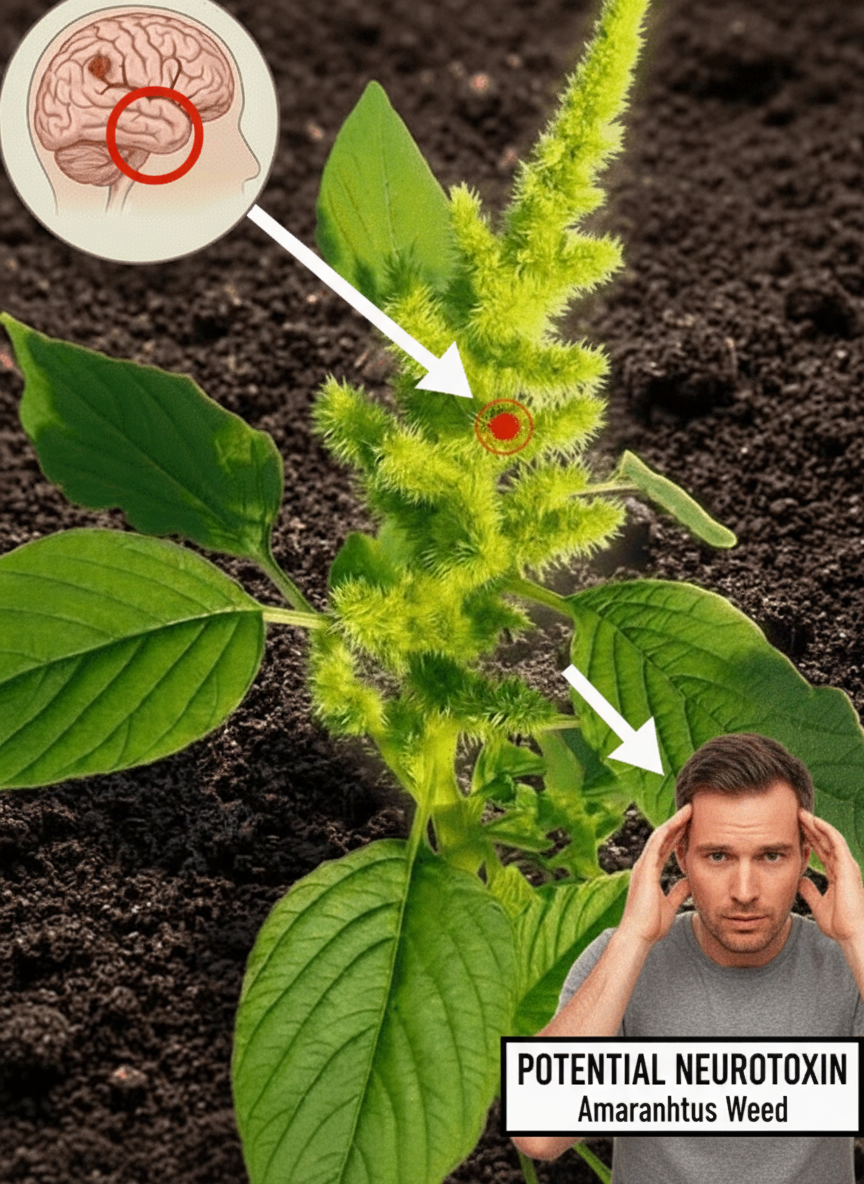
Commonly known as wild amaranth or Amaranthus viridis, Bledo Blanco thrives in gardens and roadsides worldwide. Despite its “weedy” reputation, it belongs to the same esteemed plant family as cultivated amaranth grains and leafy greens. For countless traditional cultures, this plant was never a nuisance but a valued vegetable, often cooked similarly to spinach.
Here’s what makes it so remarkable:
- Rich in Plant Nutrients: Packed with essential compounds.
- Naturally Resilient: Grows easily in diverse environments.
- Traditional Culinary Staple: A long history of use in cooking.
- Highly Adaptable: Thrives in many climates.
Modern nutrition experts are now revisiting traditional plants like Bledo Blanco, recognizing their potential to add vital dietary diversity often missing in contemporary diets. This leads us to its fascinating secrets.
A Nutritional Powerhouse for Daily Wellness
The leaves of Bledo Blanco are a treasure trove of nutrients vital for overall health. Research on leafy greens in the amaranth family consistently reveals the presence of:
- Vitamin A compounds
- Vitamin C
- Calcium
- Iron
- Dietary Fiber
These nutrients are crucial for supporting normal bodily functions, including immune response, digestive health, and energy production. What’s often overlooked is Bledo Blanco’s unique resilience: it flourishes even in poor soil conditions. This hardiness may enable the plant to accumulate a wider spectrum of micronutrients than many cultivated vegetables. However, as with all wild greens, moderation and proper preparation are essential for responsible consumption.
A Culinary Heritage Spanning Generations
For centuries, Bledo Blanco has been a cornerstone of everyday cooking across Latin America, Africa, and parts of Asia. Its versatility made it a beloved ingredient in a variety of traditional dishes:
- Boiled and served like spinach
- Added to hearty soups and stews
- Lightly sautéed with garlic and spices
- Mixed into diverse vegetable preparations
Cultures valued it for simple yet profound reasons:
- Accessibility: Often growing freely, it was readily available.
- Nutritious: A reliable source of essential vitamins and minerals.
- Easy to Harvest: Requiring minimal effort to gather.
Consider its comparison to common spinach: while spinach is a cultivated crop, Bledo Blanco thrives wild and hardy, offering similar leafy vegetable nutrients without the need for farming, making it an incredibly sustainable and accessible food source.
Essential Fiber for Digestive Harmony
Dietary fiber, often an overlooked component in modern diets, is abundant in leafy greens like Bledo Blanco. Its natural fiber content plays a crucial role in:
- Maintaining digestive balance
- Promoting regular bowel movements
- Supporting a diverse gut microbiome
Studies consistently link plant-rich, fiber-heavy diets to improved digestive comfort and overall gut health. Beyond digestion, fiber-rich foods can also contribute to satiety, helping individuals feel fuller for longer after meals. For older adults, in particular, a consistent intake of fiber-rich vegetables like Bledo Blanco can significantly support daily energy levels and digestive well-being.
Nature’s Antioxidants for Cellular Protection
Like many plants, Bledo Blanco produces a wealth of natural compounds known as antioxidants. These powerful molecules protect plant cells from environmental stressors, and when consumed by humans, they can support the body’s natural ability to combat everyday oxidative stress. Leafy greens such as Bledo Blanco are known to contain beneficial plant compounds, including:
- Polyphenols
- Flavonoids
- Carotenoids
Scientific reviews frequently underscore the importance of diverse leafy vegetables in fostering balanced nutritional patterns. It’s crucial to remember that no single food can replace a well-rounded diet; rather, a varied intake of plant-based foods represents the healthiest and most comprehensive approach to nutrition.
A Symbol of Resilience and Sustainability
Perhaps one of Bledo Blanco’s most compelling traits is its remarkable resilience. This plant demonstrates an extraordinary ability to flourish:
- In poor soil conditions
- With minimal water
- Under intense sunlight
This inherent adaptability made it an invaluable and reliable food source throughout history, particularly during challenging seasons when other crops failed. Today, as sustainable agriculture researchers increasingly focus on resilient food systems, plants like Bledo Blanco are gaining renewed attention as potential solutions for food security and dietary diversity in a changing world.