 By admin
 In an era where health challenges like cancer remain profoundly impactful, affecting millions globally, the search for natural avenues to bolster overall well-being is more fervent than ever. The pervasive concerns surrounding cellular health, chronic inflammation, and daily stressors can often feel overwhelming, prompting individuals to seek gentle, complementary strategies that can work alongside conventional medical treatments. Amidst this quest, the ancient resin of frankincense has emerged, drawing significant scientific interest for its potential to influence various cellular processes through its unique plant compounds. This exploration is not about replacing proven medical interventions, but rather uncovering how a substance, revered for centuries in traditional practices, might offer valuable insights for contemporary wellness. Join us as we delve into the rich history of frankincense, unravel the science behind its intriguing compounds, and discover safe, practical ways to integrate it into a balanced health regimen.
What is Frankincense and Why is it Capturing Scientific Interest?
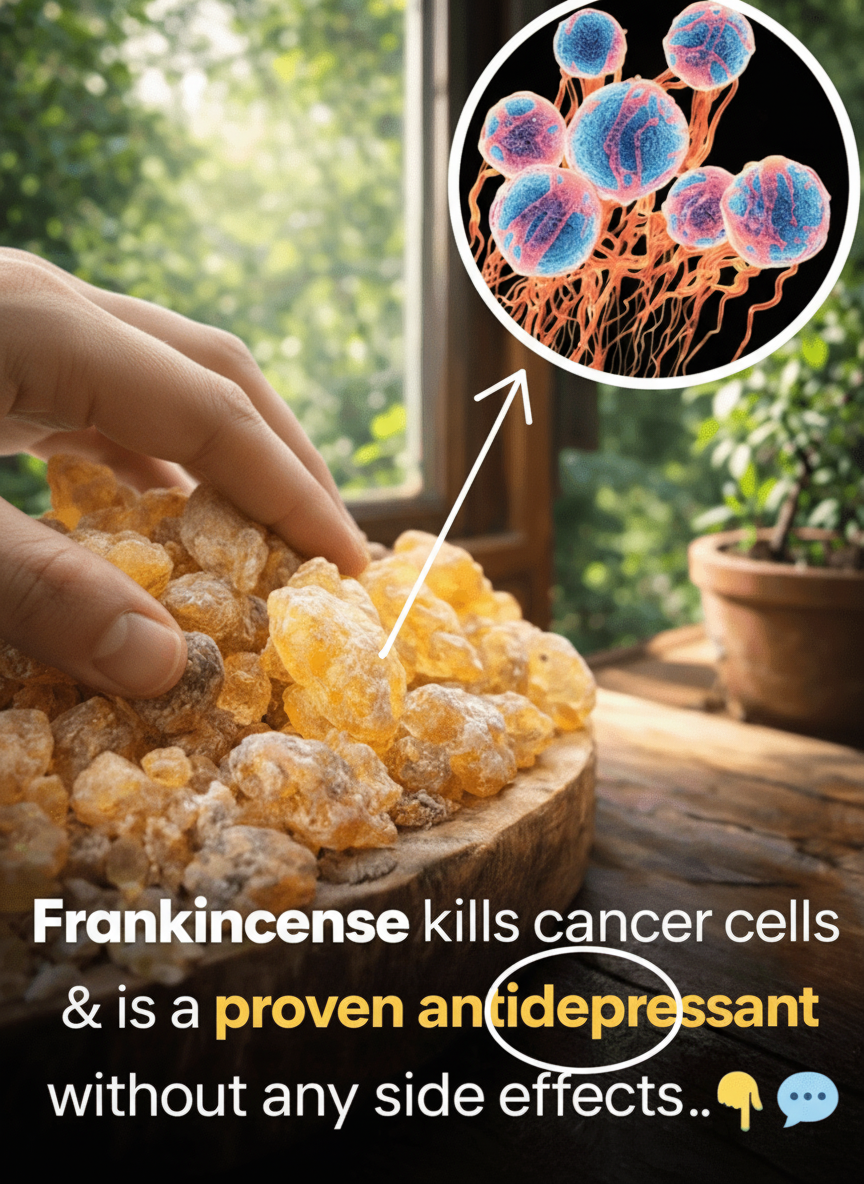
Frankincense, also known as olibanum, is a fragrant resin derived from the bark of Boswellia trees, primarily found in the arid regions of the Middle East, Africa, and India. Its historical significance spans millennia, where it has been cherished in spiritual ceremonies, incense production, and traditional medicine for its distinctive soothing aroma and a wide array of perceived health-supporting properties. Modern scientific inquiry has, however, shifted focus towards its complex chemical composition.
The Potent Compounds: Boswellic Acids and AKBA
At the heart of frankincense’s therapeutic potential are its active compounds, known as boswellic acids. Among these, acetyl-11-keto-β-boswellic acid (AKBA) stands out as particularly potent. These triterpenes have become a focal point for researchers due to their observed interactions with key inflammatory pathways and cellular signaling mechanisms. Beyond their well-documented anti-inflammatory effects, studies hint at their capacity to modulate processes crucial for cell proliferation and programmed cell death (apoptosis) in controlled laboratory environments, sparking excitement about their broader implications for cellular health.
Delving into the Science: Frankincense and Cellular Health
The scientific community has extensively investigated how frankincense extracts and isolated boswellic acids interact with various cell types, particularly cancer cells, in both in vitro (test tube) and animal models. These preclinical studies have illuminated several fascinating mechanisms of action.
Laboratory Insights: Modulating Cellular Pathways
- Inflammation Control: In vitro research has demonstrated that boswellic acids can effectively inhibit enzymes such as 5-lipoxygenase (5-LOX), which are critical players in inflammatory responses often linked to uncontrolled cell growth and proliferation.
- Cell Signaling Modulation: Frankincense compounds appear to modulate significant cellular pathways, including NF-κB and PI3K/AKT. These pathways are integral to cell survival, proliferation, and resistance to apoptosis, suggesting a multifaceted influence on cellular behavior.
- Targeting Cancer Cell Lines: Across various human cancer cell lines—including those from breast, prostate, and melanoma—frankincense compounds have exhibited promising effects. These include reducing cell viability, inhibiting proliferation, and promoting markers of apoptosis, such as the upregulation of Bax and downregulation of Bcl-2, which are key regulators of programmed cell death.
Early Human Trials: A Glimmer of Promise
While much of the compelling evidence originates from laboratory and animal studies, initial human investigations are beginning to emerge. A small phase Ia clinical trial, designed as a window-of-opportunity study for breast cancer patients, provided encouraging results. Participants receiving a Boswellia serrata extract showed a statistically significant reduction in tumor cell proliferation compared to controls. Crucially, the extract was well-tolerated, with no serious adverse events reported. This early human data, alongside similar preclinical observations in models of melanoma and hepatocellular carcinoma, consistently points towards anti-proliferative and pro-apoptotic effects. However, it is imperative to note that these findings represent early-stage research. Rigorous, larger-scale randomized clinical trials are essential to definitively clarify the impact of frankincense on human health outcomes.
Beyond Cellular Support: Frankincense’s Role in Mood and Inflammation
Frankincense’s potential extends beyond cellular research, encompassing intriguing insights into its effects on mood and broader inflammatory responses. Components like incensole acetate have been a particular focus in animal models.
Incensole Acetate: A Link to Emotional Well-being
Studies in mice have indicated that incensole acetate can activate TRPV3 channels in the brain, leading to observable anxiolytic (anxiety-reducing) and antidepressant-like behaviors. This suggests a direct influence on neurological pathways associated with emotional regulation. In one notable experiment, the mere act of burning frankincense resin or its isolated compounds was shown to affect brain areas intimately connected to emotions and mood.
Addressing Inflammation-Related Stress
Further animal research involving frankincense extracts has reported reductions in depression and anxiety-like behaviors that are linked to inflammatory processes. This effect is possibly mediated by the lowering of pro-inflammatory cytokines, which are known to contribute to mood disturbances. While these findings are promising and highlight a holistic potential for frankincense, human evidence remains limited. More comprehensive studies are needed to fully understand and validate these mood-enhancing and anti-inflammatory effects in people.
Safely Integrating Frankincense into Your Wellness Journey
For those interested in exploring the potential benefits of frankincense, incorporating it safely and thoughtfully is key. Here are several practical, low-risk methods:
Aromatherapy: Inhaling Tranquility
Using a high-quality frankincense essential oil in a diffuser allows for inhalation of its soothing aroma. This method is widely used to promote relaxation, reduce stress, and potentially uplift mood, creating a calm atmosphere.
Topical Application: Soothing the Skin
Dilute frankincense essential oil to a 1-2% concentration in a suitable carrier oil, such as jojoba or coconut oil. This blend can then be applied topically to the skin for a comforting and soothing experience. Always perform a patch test on a small area of skin first to check for any sensitivities.
Oral Supplements: Targeted Internal Support
If considering internal use, opt for standardized Boswellia extracts from reputable brands, which typically specify the percentage of boswellic acids (often 30-65% AKBA). Doses used in research commonly range from 300-1200 mg daily. However, it is crucial to consult with a healthcare provider before starting any new supplement, especially for personalized guidance and to ensure it aligns with your health profile and existing medications.
Traditional Resin Burning: A Ritualistic Approach
Embrace the traditional practice of burning frankincense resin. This age-old method releases its characteristic fragrance, which may offer mild mood benefits and contribute to a sense of well-being, echoing its historical use in ceremonial practices.
Prioritizing Purity and Professional Guidance
Regardless of the method chosen, always prioritize the quality and purity of frankincense products. Look for third-party tested essential oils and supplements to ensure they are free from contaminants and accurately labeled. Most importantly, remember that frankincense is intended as a complementary support, not a substitute for professional medical advice or treatment. Engaging with a qualified healthcare provider is paramount for making informed decisions about your health.
Conclusion: Embracing Frankincense as a Complementary Wellness Ally
Frankincense, with its rich historical legacy and burgeoning scientific validation, offers a compelling natural avenue for supporting holistic well-being. From its intriguing potential in modulating cellular health and inflammatory pathways to its calming effects on mood, this ancient resin continues to reveal its multifaceted benefits. While the journey from preliminary research to definitive clinical applications is ongoing, the existing evidence positions frankincense as a valuable complementary tool in a comprehensive wellness strategy. By approaching its integration with awareness, prioritizing quality, and seeking professional guidance, individuals can thoughtfully explore the profound wisdom of frankincense, harnessing its natural power to enhance their modern health journey.