 By admin
 Your Kitchen’s Secret: Unlock Radiant Hair & Skin with Rice Water (DIY Guide)
Imagine discovering a generations-old beauty secret hiding in plain sight – the cloudy liquid you usually pour down the drain after rinsing rice. This humble ingredient, known as rice water, is being rediscovered as a simple, natural, and low-cost addition to modern beauty routines. While not a magic cure, its potential for smoother, shinier hair and brighter-looking skin has captivated many. The key to unlocking its full potential? Understanding how to prepare and use it correctly. Stick around as we unveil the simple science and a step-by-step guide to making it safely at home.
What Exactly Is Rice Water?
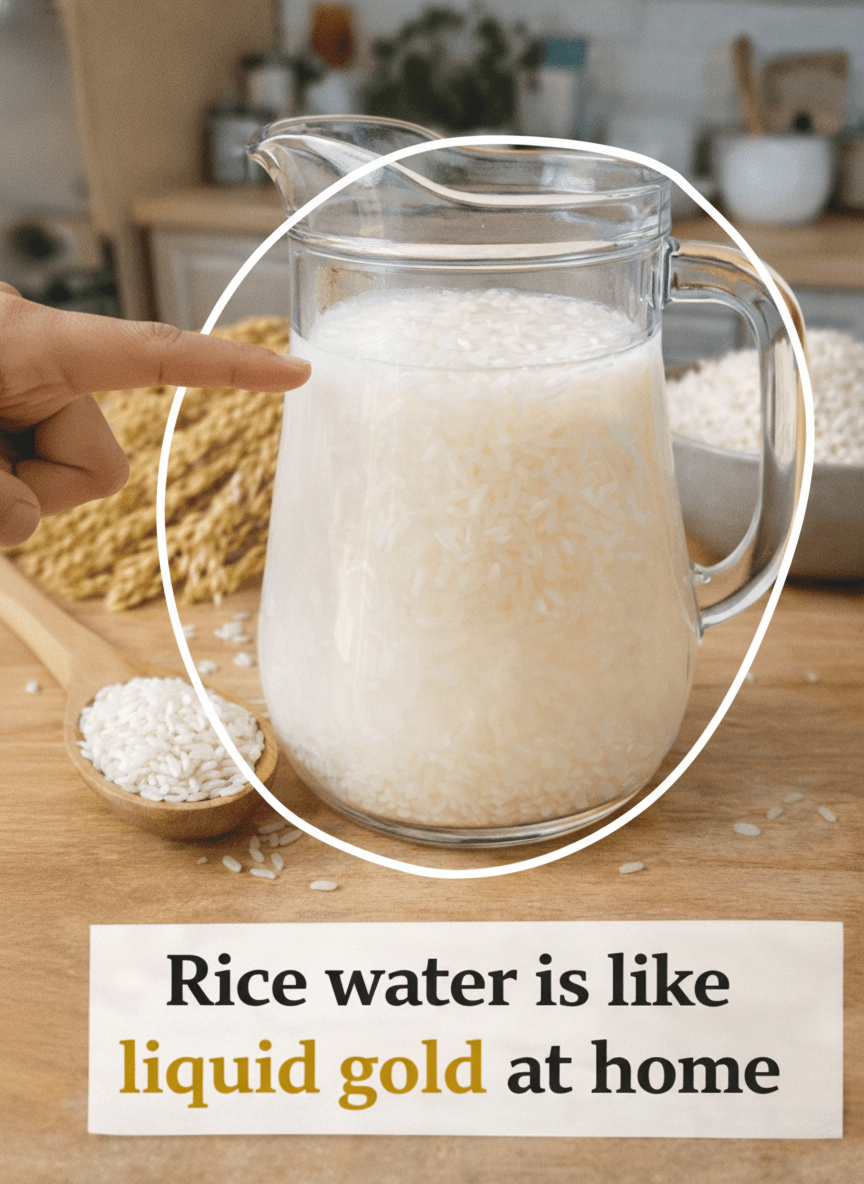
At its core, rice water is the starchy liquid derived from soaking, rinsing, or boiling rice. It’s a natural elixir packed with beneficial compounds, including starch, B vitamins, various minerals, and a unique carbohydrate called inositol – often highlighted in discussions about hair and skin health.
This isn’t a new fad. For centuries, cultures across Asia, notably the renowned Yao women of China, have incorporated fermented rice water into their hair care rituals, attributing their famously long, healthy locks to this tradition. Today, it’s a viral sensation, with countless testimonials flooding social media about its transformative effects. However, it’s important to set realistic expectations: while traditional use is widespread, robust large-scale scientific evidence is still emerging. Consider it a gentle, supportive boost rather than a revolutionary treatment.
Potential Benefits for Hair: What Tradition & Emerging Research Suggest
Many turn to rice water hoping to achieve stronger, more manageable hair. Here’s what research and anecdotal reports suggest:
- Smoother, Shinier Appearance: The starch in rice water can create a subtle coating on the hair cuticle, reducing friction and helping strands lie flatter. This often results in a smoother feel, tamed frizz, and enhanced natural shine, acting like a lightweight, natural conditioner.
- Improved Elasticity and Strength: Inositol, a key component, has shown promise in lab settings for potentially repairing damaged hair by boosting its elasticity. Studies suggest it could make hair less prone to breakage, especially hair stressed by heat styling or chemical treatments.
- Scalp Support: Essential nutrients like amino acids and antioxidants may contribute to a healthier scalp environment, potentially soothing mild irritation or dryness. Fermented rice water, with its slightly lower pH, is often considered particularly beneficial for scalp hydration.
It’s worth noting that much of the supporting evidence comes from traditional practices, small-scale studies, or in-vitro research. Dermatologists often emphasize that there isn’t strong proof for dramatic hair growth or reversal of major hair loss. Nevertheless, it’s a low-risk, natural option worth exploring for general hair health support.
Quick Hair Benefits Snapshot:
- May coat and protect the hair shaft.
- Could reduce surface damage and split ends.
- Potentially adds volume and manageability.
- Supports shine without heavy product buildup.
How Rice Water Might Help Your Skin
Beyond hair, rice water boasts a long history in skincare, with fermented versions showing particular promise:
- Hydration and Barrier Support: Compounds from fermented rice may help the skin retain moisture and strengthen its natural protective barrier, contributing to a softer, more supple complexion.
- Brightening Effect: Antioxidants and gentle exfoliating elements present in rice water can, over time, promote a more even skin tone, as indicated by some smaller studies on fermented rice products.
- Soothing Properties: It may help calm minor redness or irritation, making it a potentially gentle option even for sensitive skin types.
As with hair benefits, while promising lab and small human studies exist (especially for fermented rice products regarding moisture and anti-aging signs), individual results can vary. It’s best integrated as a complementary step within a broader skincare regimen.
How to Make Rice Water at Home: Two Easy Methods
Ready to incorporate this ancient secret into your routine? Here are two popular, straightforward methods:
Method 1: Quick Soaking (Plain Rice Water)
- Take ½ cup uncooked rice (any variety: white, brown, jasmine).
- Rinse the rice thoroughly under running water to remove any dirt or impurities.
- Place the rinsed rice in a clean bowl and add 1 to 1.5 cups of filtered water.
- Let the rice soak for 30-60 minutes. This allows the beneficial compounds to leach into the water.
- Strain the rice, collecting the cloudy water in a clean container (a spray bottle is ideal for application).
- Your plain rice water is ready! Store it in the refrigerator for up to one week.
Method 2: Fermented Rice Water (Enhanced Benefits)
- Follow steps 1-5 from Method 1 to obtain plain rice water.
- Instead of refrigerating immediately, cover the container loosely and let the strained rice water sit at room temperature (around 68-75°F or 20-24°C) for 12 to 24 hours. The goal is to allow it to ferment slightly. You’ll notice a faint, slightly sour smell when it’s ready.
- Once fermented, dilute the rice water before use. A common ratio is 1 part fermented rice water to 2-3 parts plain water, as fermented versions are more potent.
- Store the diluted fermented rice water in the refrigerator for up to one week.